
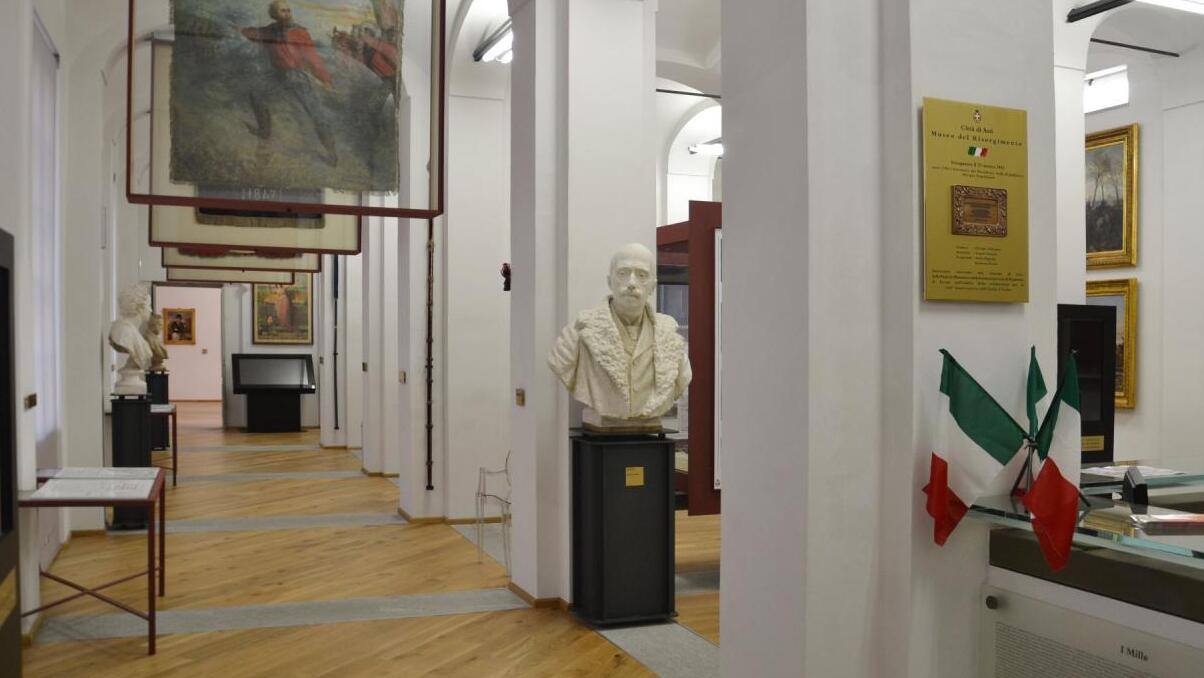

In the heart of Asti, a city steeped in history, the Museum of the Risorgimento stands as a testament to Italy’s struggle for unity and independence. This intimate museum encapsulates the fervor of a nation emerging from centuries of fragmentation, offering a glimpse into the lives of those who played pivotal roles in the Risorgimento—the Italian unification movement that spanned much of the 19th century.
The museum's origins are rooted deeply in the local community. Established largely through donations from families whose ancestors fought for national liberation, it reflects a grassroots commitment to preserving history. Among its prized collections are ovals depicting historical figures and paintings illustrating significant battles. The first nucleus of the museum was initiated by Pietro Ottolenghi, who aimed to honor the legacy of the local heroes. Notably, the portraits of key figures like Camillo Benso Conte di Cavour, Giuseppe Garibaldi, and Angelo Brofferio were crafted by Paolo Arri, an esteemed Asti painter whose work spans the late 19th century.
The artistic richness of the museum extends beyond portraits; the battles of the Risorgimento are depicted in dynamic canvases by artists including Luigi Morgari, Raffaele Pontremoli, and Felice Cerruti Bauduc—the latter having contributed to the Museum of the Risorgimento in Turin as well. Each brushstroke tells a story of valor and struggle, making these works not just art, but a vivid narrative of a nation's fight for identity.

Architecturally, the museum occupies the ground floor of a historic building that reflects Asti's medieval charm. The structure, with its robust stone walls and elegant arches, creates an inviting ambiance that encourages exploration. Visitors can feel the weight of history as they wander through its halls, where every corner is filled with artifacts that evoke a sense of pride and nostalgia.
Local culture thrives in Asti, especially during its numerous festivals that celebrate both its historical and culinary heritage. The Palio di Asti, a traditional horse race held annually in September, is a highlight, drawing crowds from far and wide. This event not only showcases the town's competitive spirit but also serves as a vibrant celebration of local traditions, complete with parades, medieval costumes, and local delicacies.
Speaking of gastronomy, Asti is renowned for its culinary delights, particularly its wines. The area produces some of Italy's most celebrated wines, including Asti Spumante, a sparkling wine that embodies the region’s rich agricultural heritage. Local dishes such as agnolotti (stuffed pasta) and bagna cauda (a warm dip made from garlic, anchovies, and olive oil) reflect the simple yet robust flavors of the Piedmont region. Pairing these dishes with a glass of local Barbera or Dolcetto creates a perfect gastronomic experience that complements the historical journey through the museum.
For those looking to delve deeper into Asti's history, the museum also features a collection of banners and flags from local corporations and veterans who fought alongside Garibaldi. Among the treasures is the uniform of Orazio Dogliotti, a prominent figure who commanded artillery at the Battle of Bezzecca in 1866, and the travel box of Vincenzo Gioberti, an influential philosopher who sought the Pope's support for Italian independence. These artifacts serve as poignant reminders of the sacrifices made for the nation.
Visitors to the Museum of the Risorgimento should plan their trip during the spring or early autumn when the weather is mild, and the city is alive with activity. A leisurely stroll through the nearby Piazza Alfieri, where you can enjoy a coffee or gelato, provides a perfect opportunity to reflect on the museum's impactful exhibits. Don't miss the chance to engage with the knowledgeable staff, who can share lesser-known stories that bring the displays to life.
While many tourists flock to well-known attractions in Italy, the Museum of the Risorgimento of Asti offers a unique and personal insight into a crucial chapter of Italian history, often overshadowed by larger museums. Its intimate scale allows for a more profound connection with the artifacts and stories within, making it a hidden gem worth visiting.
As you plan your visit to Asti and its treasures, consider using the Secret World app to create a personalized itinerary that highlights this extraordinary museum and more.


