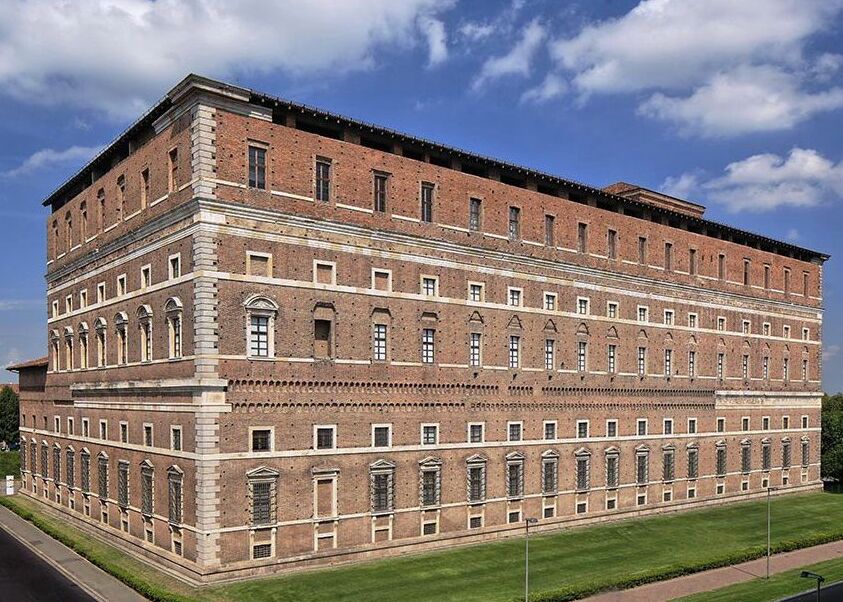

Nestled in the charming city of Piacenza, the Museum of the Risorgimento offers a profound glimpse into Italy’s tumultuous journey towards unification. This museum is not just a repository of artifacts; it is a vibrant narrative woven through the struggles, aspirations, and events that shaped modern Italy, particularly during the critical periods of 1848-49 and 1859-61.
### History and Origins
The Risorgimento, meaning "resurgence" in Italian, encapsulates the 19th-century movement aimed at unifying the various states of the Italian peninsula into a single nation. The roots of this museum's collection trace back to the Napoleonic era, when Piacenza was under French influence, providing a backdrop for burgeoning nationalism.
Significant events such as the uprisings of 1831 and the revolutionary fervor of 1848 are expertly documented through nearly 600 artifacts, of which over half are on display. The collection illuminates the fervent ideals of the time, showcasing uniforms, weapons, and poignant documents that narrate the story of Piacenza's alignment with Piedmont, earning it the title of "first-born city" during the consolidation of Italy.
The museum also sheds light on the return of the Bourbons, the assassination of the Duke, and the pivotal plebiscite that led to Piacenza’s annexation to the Sardinian Kingdom. Each piece in the collection contributes to a detailed profile of the local movements, inviting visitors to immerse themselves in the historical fervor that marked this significant era.
### Art and Architecture
Housed in an elegant building that reflects the architectural styles of the era, the museum itself is a marvel. The structure showcases Neoclassical elements, characterized by its grand facade and symmetrical proportions, which echo the ideals of the time. Inside, the layout is designed to facilitate a journey through history, guiding visitors from one significant event to the next.
Notable artworks within the collection include striking portraits of key figures in the Risorgimento, such as Giuseppe Garibaldi, whose charisma and revolutionary spirit are palpable in the canvases. Engaging displays combine both artistic representation and historical context, providing a rich understanding of the period’s cultural significance alongside its political upheaval.
### Local Culture and Traditions
Piacenza is not just a city steeped in history; it also brims with vibrant local traditions. The annual Festa di San Giovanni, celebrated every June, highlights the city's cultural richness with parades, music, and culinary delights. This festival pays homage to the patron saint of Piacenza, weaving together historical reverence and local customs in a colorful celebration that draws both locals and visitors.
The local culture is greatly influenced by its agricultural heritage, which is reflected in the city’s traditions and festivities. The Palio di Piacenza, a historical horse race, takes place annually, reviving the spirit of competition and community pride reminiscent of the city’s past.
### Gastronomy
No visit to Piacenza would be complete without indulging in its culinary offerings. The region is renowned for its cured meats, particularly Coppa di Parma and Salame Piacentino, both of which are celebrated for their rich flavors and artisanal production methods. Pair these delicacies with local wines, such as Gutturnio and Ortrugo, which perfectly complement the savory dishes of the area.
Another standout is Pisarei e Fasò, a traditional dish made of small pasta dumplings served with bean sauce. This hearty meal embodies the soul of Piacenza’s gastronomy, showcasing the region's agricultural bounty and culinary creativity.
### Lesser-Known Curiosities
While many tourists flock to the well-trodden paths, a few hidden gems often go unnoticed. For instance, the museum houses a rare collection of resistance memorabilia, including letters and personal items from local patriots that provide an intimate glimpse into the lives of those who fought for Italy's unity.
Additionally, the museum's archives include fascinating accounts of everyday life during the Risorgimento, revealing how the struggles of the time permeated the daily existence of Piacenza's citizens. These narratives, often overlooked, allow visitors to connect on a personal level with the historical events that unfolded in this vibrant city.
### Practical Visitor Information
The best time to visit the Museum of the Risorgimento is during the spring and early autumn months when the weather in Piacenza is mild, allowing for pleasant strolls through its historic streets. The museum is generally open year-round, but it’s advisable to check for special exhibitions or events that might enhance your visit.
When exploring, be sure to take your time with the interactive displays that bring history to life. Engaging with the stories behind the artifacts will deepen your appreciation for the struggles and triumphs that have shaped not just Piacenza, but Italy as a whole.
As you plan your journey through Piacenza, consider using the Secret World app to craft a personalized itinerary that highlights both the well-known attractions and the hidden treasures of this remarkable city.
