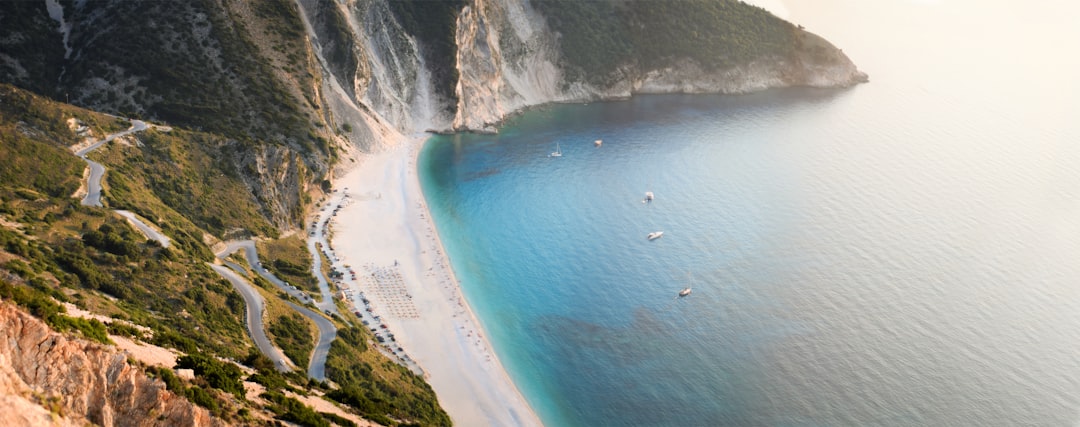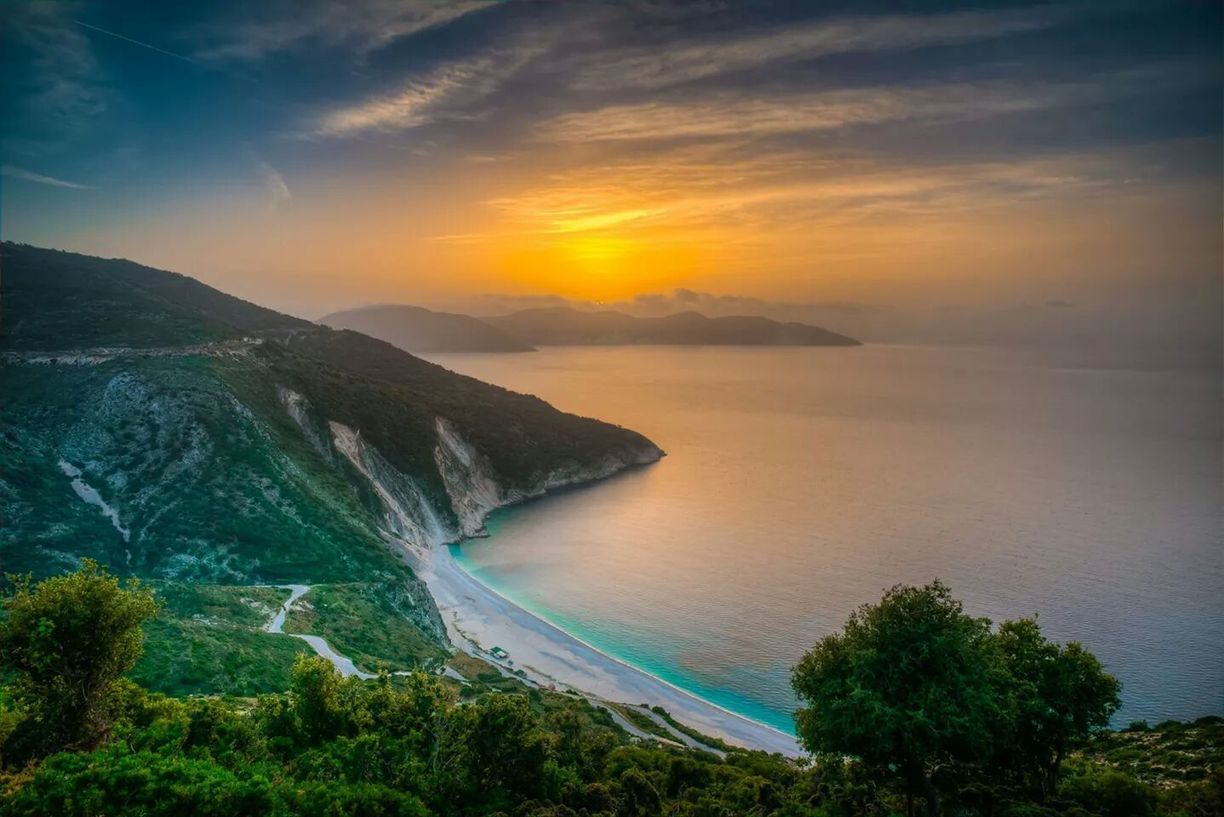

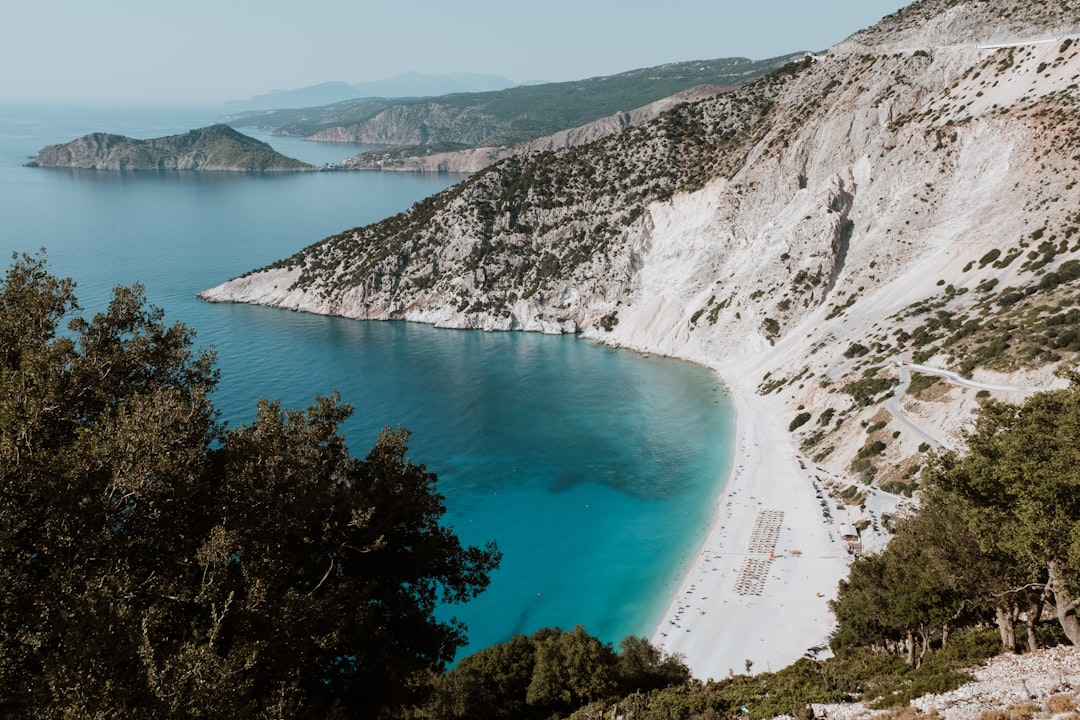
Myrtos Beach is a breathtaking paradise that beckons travelers with its stunning natural beauty, often celebrated as one of the most beautiful beaches in the world. Located on the northern coast of Kefalonia, this idyllic spot is framed by imposing green cliffs that dramatically drop into the clear, inviting waters. The beach’s sands are a dazzling white, contrasting beautifully with the deep cobalt blue and vibrant turquoise hues of the sea, creating a postcard-perfect scene that has captivated visitors for decades.
### History and Origins
The enchanting landscape of Myrtos Beach tells a story woven through the ages. Kefalonia, the largest of the Ionian Islands, has been inhabited since the Neolithic period, with rich archaeological finds that trace back to ancient civilizations. The island’s strategic location made it a coveted prize for various empires, including the Venetians, who ruled from the late 15th century until the late 18th century. Their influence is evident in the architecture of Argostoli, the island’s capital, where Venetian-style buildings abound.
The significance of Myrtos Beach grew markedly after the 1963 earthquake, which had a profound impact on the island's geography. The tremors reshaped the coast, revealing the stunning beach that would soon become a focal point for visitors. Its rise to fame was solidified when it was featured in the 1981 film "Captain Corelli’s Mandolin," bringing international attention to the beach’s unparalleled beauty.
### Art and Architecture
While Myrtos Beach itself is a natural marvel, the artistic spirit of Kefalonia can be found in its towns and villages. The architectural style reflects a blend of influences, with neoclassical, Venetian, and Byzantine elements coexisting harmoniously. Noteworthy structures include the Monastery of Agios Gerasimos, dedicated to the island's patron saint, featuring intricate frescoes and a serene courtyard.
Art thrives in local galleries, showcasing works inspired by the island's enchanting landscapes. Artists often depict the stunning interplay of light and water that characterizes Myrtos, capturing moments of tranquility and beauty. The annual Kefalonia International Music Festival highlights local talent, bringing together musicians and artists to celebrate the island's rich cultural heritage.
### Local Culture and Traditions
The culture of Kefalonia is vibrant and deeply rooted in tradition. Local customs, such as the Feast of Saint Gerasimos on August 20, draw crowds from across the island. This festival features processions, traditional music, and dance, offering a glimpse into the island's spiritual life.
Beyond religious celebrations, the island’s folklore is rich with stories of mythical creatures and heroic figures. Locals often share tales of Odysseus, who is believed to have traversed these waters, adding a layer of mystique to the already enchanting landscape.
### Gastronomy
The culinary scene around Myrtos Beach is a delightful exploration of Mediterranean flavors. Traditional Kefalonian dishes are a must-try, with specialties like Kefalonian meat pie (a savory pastry filled with minced meat and spices) and stifado, a hearty stew made with beef and aromatic spices. Fresh seafood, caught daily, is featured prominently on local menus, with grilled fish and calamari often enjoyed alongside a glass of local Robola wine.
For those with a sweet tooth, mandolato, a nougat made with almonds, is a popular treat, perfect for savoring while lounging on the beach. Many tavernas near Myrtos Beach offer these culinary delights, often with stunning views of the coastline.
### Lesser-known Curiosities
Myrtos Beach is not just about its stunning visuals; it’s also a site of intriguing tales. One lesser-known fact is that the beach is home to a unique geological phenomenon known as "Myrtos Bay." The beach’s unique shape and the surrounding cliffs create an acoustical effect, allowing whispers to carry across the water, creating a magical experience for those who venture there.
Additionally, Myrtos Beach is a prime spot for sea turtles, particularly the endangered Caretta caretta. Conservation efforts are in place to protect these magnificent creatures, and visitors may catch a glimpse of them during their summer nesting season, adding a layer of wonder to their beach experience.
### Practical Visitor Information
The best time to visit Myrtos Beach is during the late spring to early fall (May to September), when the weather is warm and the sea is perfect for swimming. During the peak summer months, the beach can get crowded, so arriving early in the day is advisable to secure a good spot.
When visiting, be sure to bring essentials like sunscreen, water, and snacks, as facilities are limited on the beach itself. The breathtaking views from the surrounding cliffs are not to be missed, so don’t forget your camera to capture the stunning panorama.
In conclusion, Myrtos Beach is not just a place of stunning beauty; it is a destination steeped in history, culture, and culinary delights. For a personalized experience to explore this breathtaking gem and beyond, consider using the Secret World app to plan your perfect itinerary.