
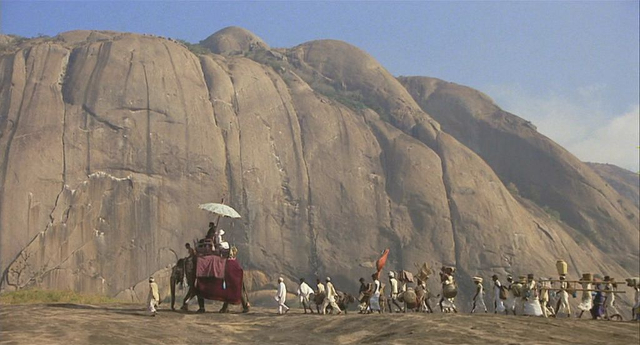

The Marabar Caves are not just a central point in E.M. Forster's "A Passage to India," but also rooted in the real Barabar Caves of Bihar, India, with a deep connection to the Ajivika sect around 322-185 BCE. These caves, with their glass-smooth walls and haunting echo, “ou-boum,” were thought to harbor mystical powers and spiritual resonance. Legends surrounding the caves speak of voices of the past and spirits residing within. Barabar Caves were often considered places of deep meditation and introspection.
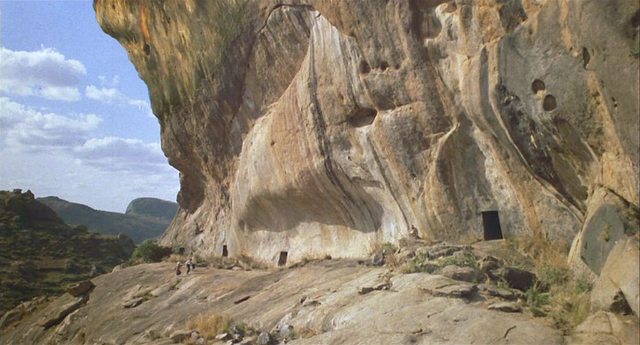
In cinema, the fictional Marabar Caves were adapted in both stage plays and the film version of Forster’s novel. Though David Lean, director of the film, chose other locations for shooting, the symbolic role of the caves in the narrative, representing confusion, cosmic forces, and inner turmoil, remains significant. In the novel, the caves trigger profound emotional and existential crises in the characters.
In folklore, the caves are said to house echoes of ancient deities and spirits, with the mysterious sounds thought to be messages from another world. This mystical aura adds to the caves' status in Indian cultural heritage.
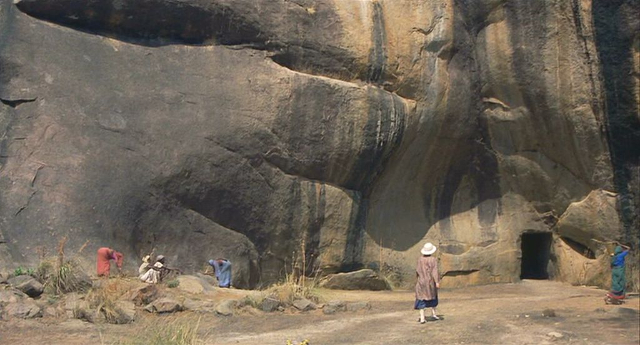
The real-life Barabar Caves have also inspired modern art and architecture. An installation named Marabar by artist Elyn Zimmerman in Washington, DC, draws from the caves’ resonance, while British punk band The Marabar Caves adopted the name for their atmospheric connection to the novel’s theme. Despite their ancient history, the Barabar Caves continue to symbolize the mystery and enigma of human existence, much like their depiction in Forster’s work.


