



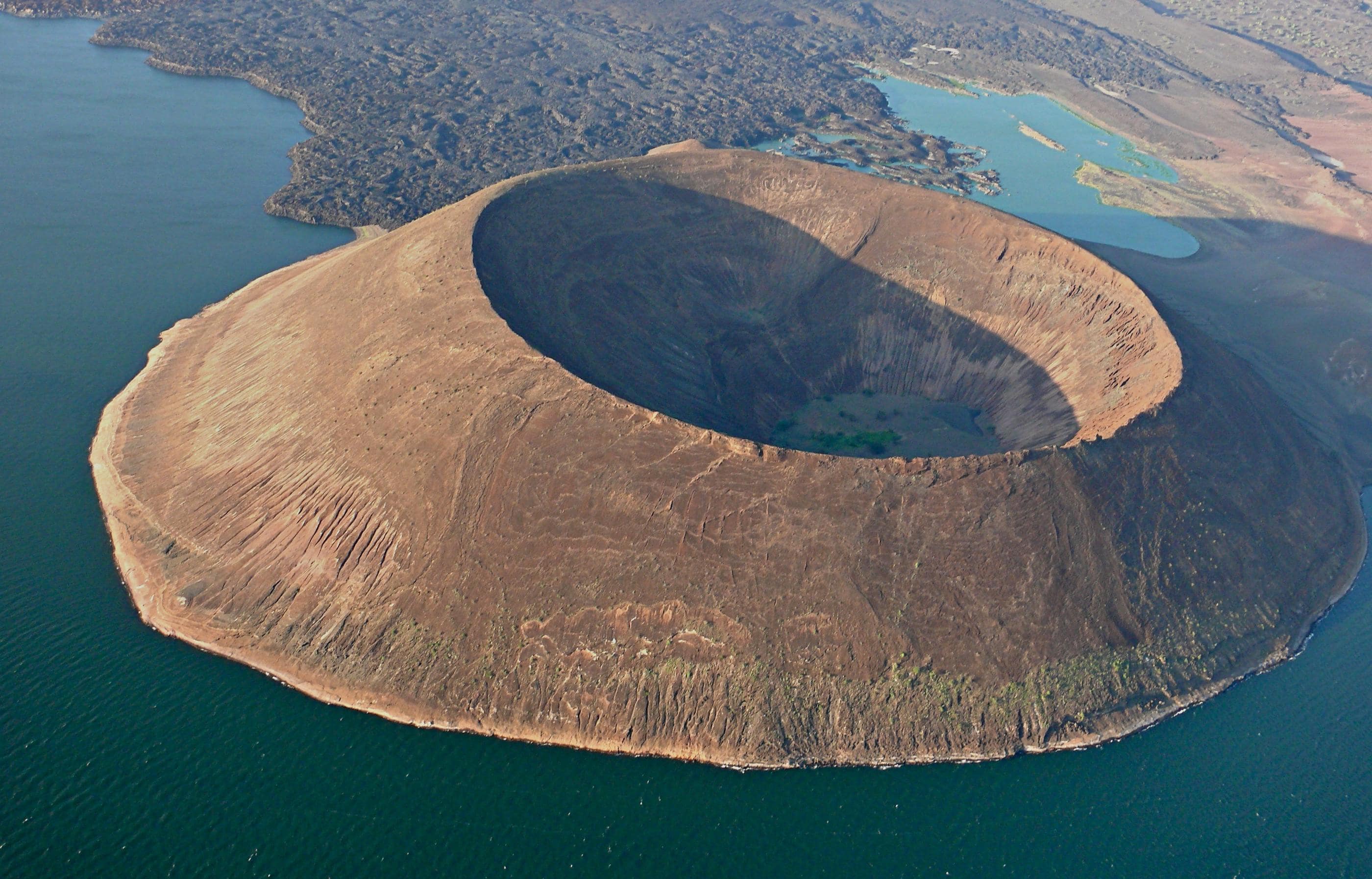
Nestled within the rugged beauty of Northern Kenya, Lake Turkana is a mesmerizing body of water that tells a story as old as time. Known as the world's largest alkaline lake and the largest enduring desert lake, it has captured the attention of scientists, adventurers, and nature lovers alike. The Nabiyotum Crater, a striking geological wonder, adds to the allure of this unique region.
History and Origins
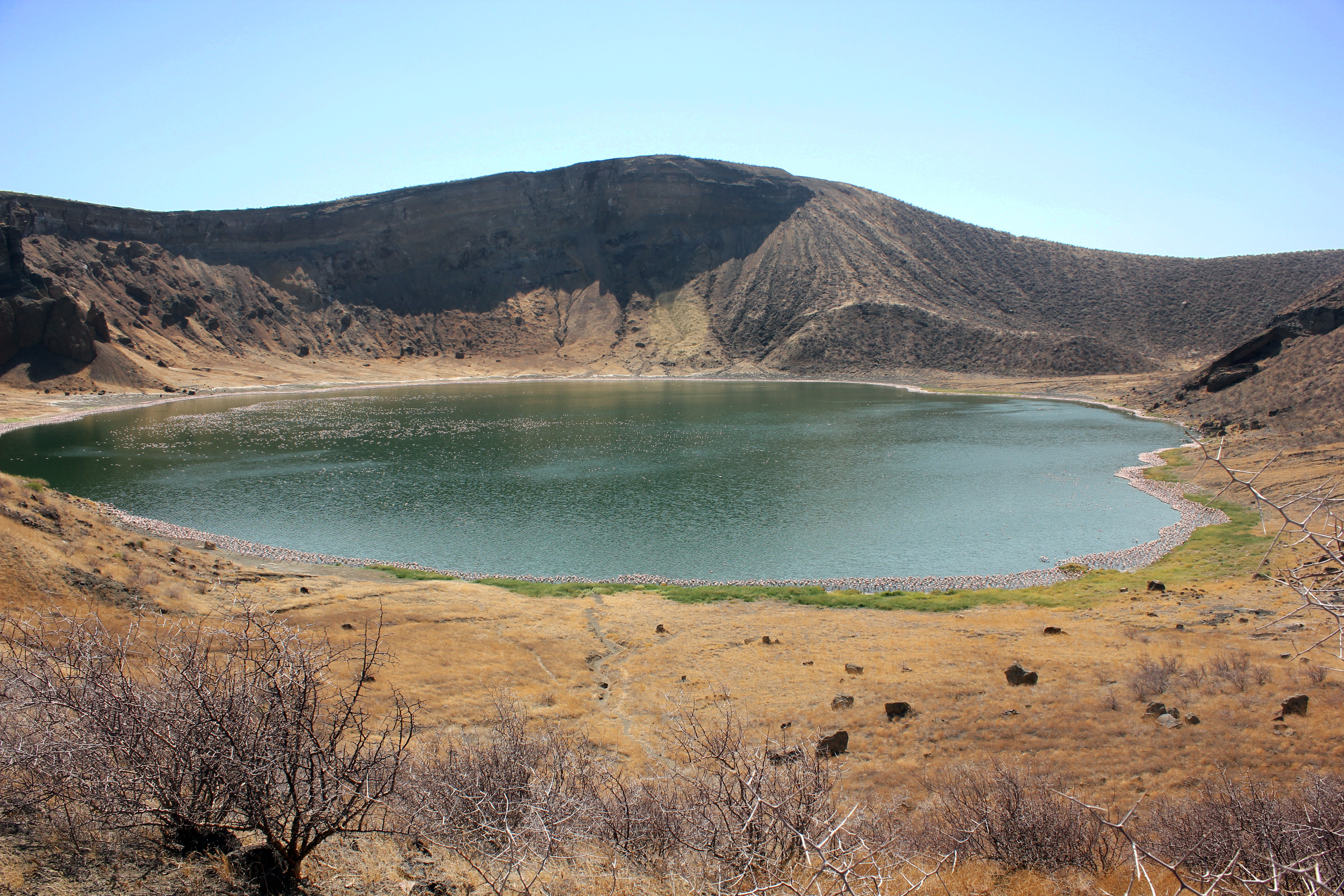
Lake Turkana has formed over millions of years, with its origins tracing back to volcanic activity in the East African Rift System. The lake is believed to have begun developing around 1.8 million years ago, with its current form taking shape approximately 10,000 years ago. The region is rich in archaeological significance; it has yielded some of the oldest hominid fossils, including those of Australopithecus and early Homo species, providing crucial insights into human evolution.
The Lake Turkana Basin was pivotal during the Pleistocene epoch, serving as a critical habitat for both flora and fauna. In the 20th century, the lake became a focal point for research, particularly due to the discoveries made by paleoanthropologists like Richard Leakey. His work in the area further cemented Lake Turkana’s status as a cradle of humanity, revealing aspects of our shared heritage.
Art and Architecture
While Lake Turkana is not widely known for traditional architecture, its cultural significance is underscored by the art and craftsmanship of the local communities. The Turkana people, who inhabit the surrounding regions, are renowned for their intricate beadwork and traditional attire, which reflect their rich heritage. They often adorn themselves with brightly colored necklaces and bracelets made from locally sourced materials, showcasing their artistic skills.
The architectural style in this arid landscape is largely influenced by the nomadic lifestyle of its inhabitants. Traditional Turkana huts, known as ekal, are constructed using mud and thatch, designed to be both functional and adaptable to the harsh environment. This unique architecture speaks volumes about the resilience and creativity of the local people in harmonizing their living spaces with the surrounding landscape.
Local Culture and Traditions
The culture surrounding Lake Turkana is vibrant and steeped in traditions. The Turkana community celebrates various festivals throughout the year, which are often centered around cultural rites such as initiations, marriages, and harvests. One of the most notable events is the Turkana Cultural Festival, where colorful displays of traditional dance, music, and art take center stage, attracting visitors from across the region.
The Turkana people have a profound connection to the lake, which sustains their way of life. Fishing and pastoralism are integral to their economy, with the lake providing a source of food and livelihood. Their customs often reflect a deep respect for nature, with rituals and practices aimed at preserving the delicate balance of their environment.
Gastronomy
The culinary landscape around Lake Turkana is as diverse as its cultures. Traditional Turkana cuisine primarily revolves around fish, goats, and milk. Dishes such as eshir, a local stew made from fish caught fresh from the lake, are staples in their diet. The use of spices and herbs adds depth to their meals, often accompanied by ugali, a maize-based staple.
During festivities, you may find larger feasts featuring roasted goat or sheep, symbolizing abundance and community spirit. Additionally, local brews such as ajon, a traditional sorghum beer, are popular during celebrations, fostering a sense of togetherness among participants.
Lesser-known Curiosities
Among the many wonders of Lake Turkana, the Nabiyotum Crater stands out not just for its beauty but also for its geological significance. This caldera, a remnant of an ancient volcano, is often overlooked by visitors exploring the lake's shores. The crater is home to unique geological formations and offers panoramic views of the surrounding landscape, making it a hidden gem for those willing to explore further.
Another fascinating aspect of Lake Turkana is its biodiversity. The lake is home to numerous species of fish, including the endemic Lake Turkana tilapia, which serves as a vital food source for both locals and migratory birds. The region supports a variety of wildlife, including the Nubian giraffe and African fish eagle, making it a crucial ecosystem that is as intriguing as it is beautiful.
Practical Visitor Information
For those looking to visit Lake Turkana, the best time is during the dry season, from June to October. This period offers the most temperate weather, making exploration more enjoyable. It’s advisable to plan your trip with local guides who are knowledgeable about the area, ensuring a deeper understanding of the landscape and its history.
Visitors should also prepare for limited infrastructure; however, the experience of connecting with nature and the local community is unparalleled. Look out for opportunities to engage with the Turkana people, as their stories and traditions provide a richer context to the stunning scenery.
As you embark on your journey to Lake Turkana, consider using the Secret World app to craft a personalized itinerary that will enhance your experience in this extraordinary destination.
