



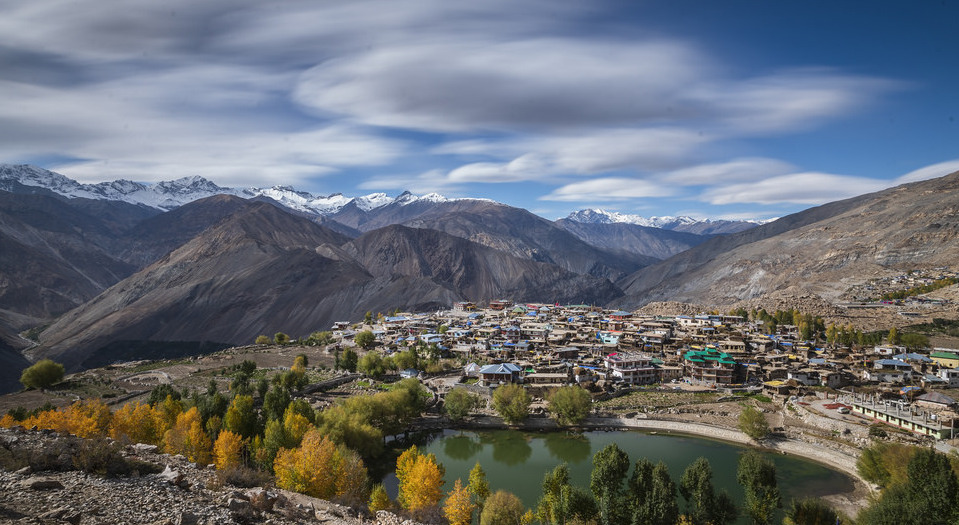
Nestled in the rugged embrace of the Himalayas, Nako is a hidden gem that feels like a portal to another world. This charming village, perched at an altitude of over 3,600 meters, offers breathtaking views and a serene atmosphere, making it an ideal destination for those seeking tranquility amidst nature’s grandeur.
### History and Origins
The origins of Nako trace back to ancient times, with its mention in the Skanda Purana, a revered Hindu scripture. It is believed that the village has been inhabited for centuries, serving as a crucial stop for traders on the ancient Silk Route. The strategic location near the Tibetan border made it a melting pot of cultures, with influences from both India and Tibet.
In the 16th century, the village gained prominence with the establishment of the Nako Monastery, which stands as a testament to the region’s rich Buddhist heritage. This monastery, with its stunning murals and ancient relics, invites visitors to delve into its spiritual significance. Over the years, Nako has witnessed various historical events, including the tumultuous times during the British Raj, which altered trade routes and led to a decline in its bustling market life.
### Art and Architecture
The architectural style of Nako reflects the Tibetan influence, characterized by whitewashed buildings with flat roofs and intricate woodwork. The Nako Monastery, built in the 11th century, is a marvel of ancient architecture, displaying Thangka paintings and exquisite carvings that depict Buddhist teachings.
Notable artworks within the monastery include a statue of Avalokiteshvara, the Bodhisattva of compassion, which draws pilgrims and art enthusiasts alike. The artistic significance of these pieces lies not only in their craftsmanship but also in their embodiment of the spiritual ethos that has prevailed in the region for centuries.
### Local Culture and Traditions
Nako's culture is a vibrant tapestry woven from the threads of Buddhism and local customs. The villagers celebrate various festivals, with Losar, the Tibetan New Year, being the most prominent. During this time, the streets come alive with traditional dances, music, and the aroma of delectable local foods.
The community’s strong connection to the land is evident in their agricultural practices, with barley and potatoes being staple crops. Locals often engage in traditional rituals to honor nature, reflecting a deep respect for the surrounding environment.
### Gastronomy
The culinary landscape of Nako is a delightful exploration of flavors that reflect its geographical and cultural uniqueness. Thukpa, a hearty noodle soup, is a must-try, often made with fresh vegetables and spices that warm the soul. Momos, Tibetan-style dumplings, are another local favorite, typically filled with meat or vegetables and served with a spicy chutney.
In addition to these dishes, visitors can enjoy butter tea, a traditional drink made from tea leaves, butter, and salt, which is especially popular among the locals. The warmth of these dishes provides comfort against the backdrop of the crisp Himalayan air, making dining in Nako a memorable experience.
### Lesser-known Curiosities
While Nako is known for its stunning lake and monastery, there are hidden gems that many tourists overlook. The Nako Lake, often compared to a moonlit oasis, is a sacred site where locals believe the spirits of their ancestors reside. During the summer, the lake is a hub for boating, while in winter, it transforms into a natural ice rink, attracting adventurers from afar.
Another intriguing aspect of Nako is its unique Buddhist stupas scattered around the village, often adorned with colorful prayer flags. These stupas are not merely decorative; they serve as spiritual markers and are places for meditation, embodying the community's deep-rooted spiritual beliefs.
### Practical Visitor Information
The best time to visit Nako is from April to October, when the weather is pleasant, allowing for outdoor activities and exploration. Travelers should prepare for cooler temperatures, especially at night, and pack accordingly.
When visiting, be sure to explore the winding alleys of the village and interact with the warm-hearted locals who are eager to share their stories and traditions. Don’t miss the opportunity to hike in the surrounding hills, where breathtaking views of the Himalayas await.
For those looking to delve deeper into Nako’s beauty and culture, consider planning your itinerary with personalized guidance; the Secret World app can help you create a tailored experience that unveils the secrets of this enchanting village.
