



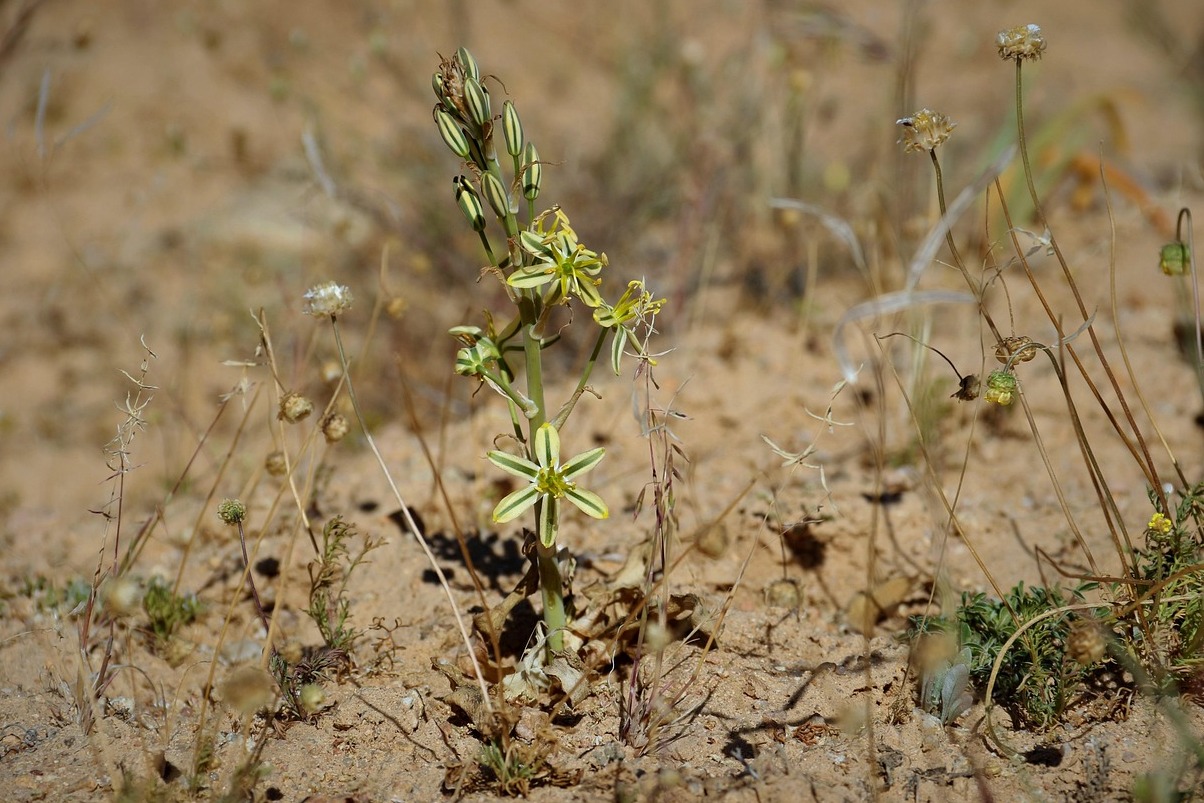
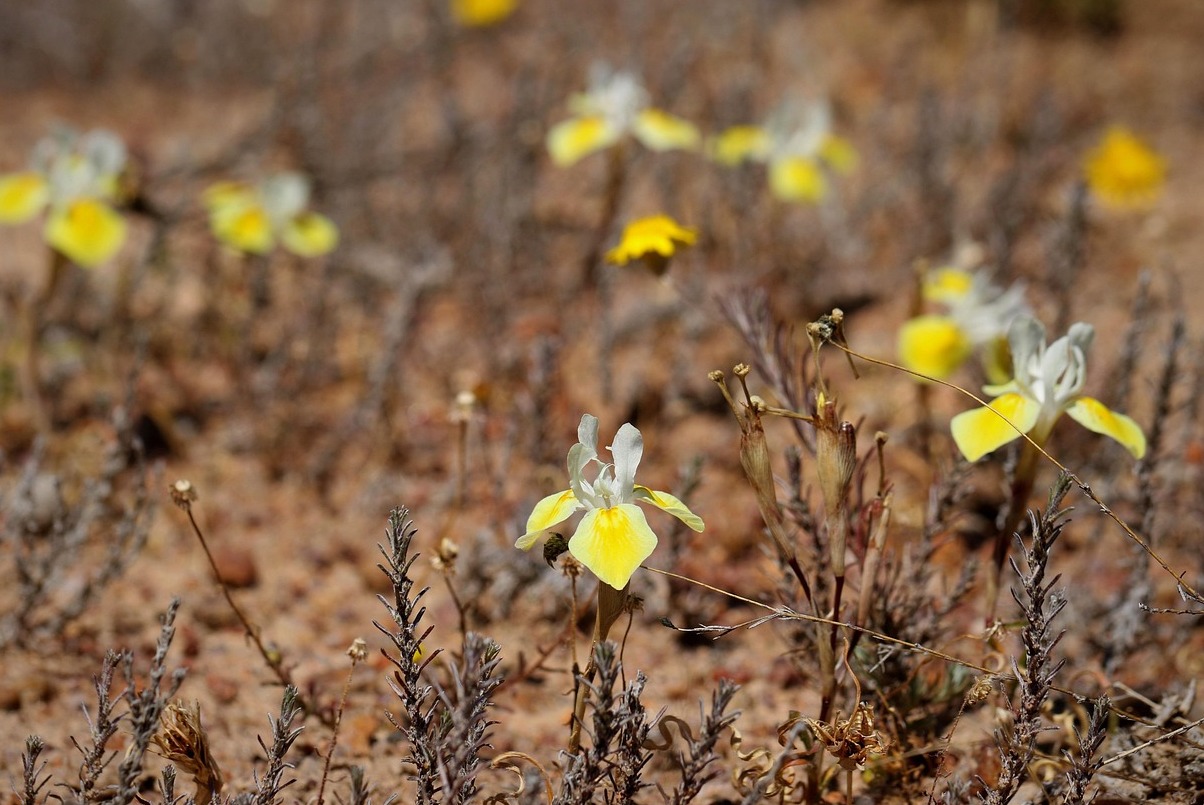
Namaqualand, a mesmerizing region in South Africa, is a place of stark contrasts and vivid transformations. For most of the year, its expansive landscapes are defined by aridity, with rocky terrains and a sparse scattering of hardy shrubs. Yet, come early spring, it undergoes a miraculous metamorphosis. This parched land bursts into an explosion of color, carpeting the terrain with a spectacular array of wildflowers, principally daisies, that draw visitors from across the globe. This natural spectacle is more than just a visual feast; it is a testament to the resilience and beauty that define Namaqualand.
History and Origins The region's history is as rich and varied as its flora. The Nama people, part of the Khoisan groups, are the area's original inhabitants, and their presence dates back thousands of years. They were adept at surviving in the harsh desert conditions, living as semi-nomadic pastoralists. The advent of European settlers in the late 17th century marked a significant shift. The discovery of copper in the 1850s brought an influx of miners and settlers, forever altering the landscape and its communities. Despite these changes, the Nama people continue to play a crucial role in preserving the cultural heritage of the region.
Art and Architecture Namaqualand's art and architecture are deeply intertwined with its history and environment. Traditional Nama huts, known as haru om, are ingeniously designed with bent wooden poles and reed mats, providing insulation against the extreme temperatures. In more contemporary settings, the influence of colonial architecture is evident, with quaint churches and old mining buildings dotting the landscape. Art in Namaqualand is vibrant and often inspired by the natural world, with local artists capturing the ephemeral beauty of the flower season and the rugged terrain in their works.
Local Culture and Traditions The culture of Namaqualand is a tapestry woven from the threads of its indigenous roots and colonial influences. Traditional Nama music, characterized by the use of the ramkie (a homemade guitar), and the rhythmic beat of the guab dance, are integral parts of local festivals. The Namaqua Festival, celebrated annually, is a joyful expression of local culture, featuring music, dance, and traditional crafts. The festival also coincides with the spring bloom, amplifying the region's allure during this time.
Gastronomy Namaqualand's cuisine reflects its history and the need for resourcefulness in a land of scarcity. Biltong, a form of dried, cured meat, and boerewors, a type of sausage, are staples, offering rich flavors that speak to the region's pastoral roots. The local diet also includes veld food like the succulent kanna, a plant traditionally used by the Nama for its nutritional and medicinal properties. While the cuisine may be simple, it is deeply satisfying and reflective of the region's resilience.
Lesser-known Curiosities Beyond its floral fame, Namaqualand harbors lesser-known stories that add depth to its allure. The Richtersveld Cultural and Botanical Landscape, a UNESCO World Heritage Site, celebrates the cultural practices of the Nama people. The Shipwreck Trail along the coast tells tales of maritime disasters, with remnants of vessels like the SS Namib still visible. These stories of survival and adaptation are as much a part of Namaqualand as its seasonal bloom.
Practical Visitor Information The best time to witness Namaqualand in its full floral glory is between August and September, when the spring rains coax the flowers into bloom. Visitors should plan ahead, as accommodations can fill quickly during this peak season. It’s wise to explore beyond the popular routes; lesser-known areas like the Goegap Nature Reserve offer quieter, equally stunning landscapes. When visiting, bring sun protection and water, as the sun can be intense despite the cooler spring temperatures.
Namaqualand is not just a destination; it is an experience that combines nature's grandeur with a rich cultural heritage. To walk its fields of flowers is to witness a fleeting wonder that leaves an indelible mark on the soul, reminding us of the beauty that arises from adversity and the stories that endure through time.
