



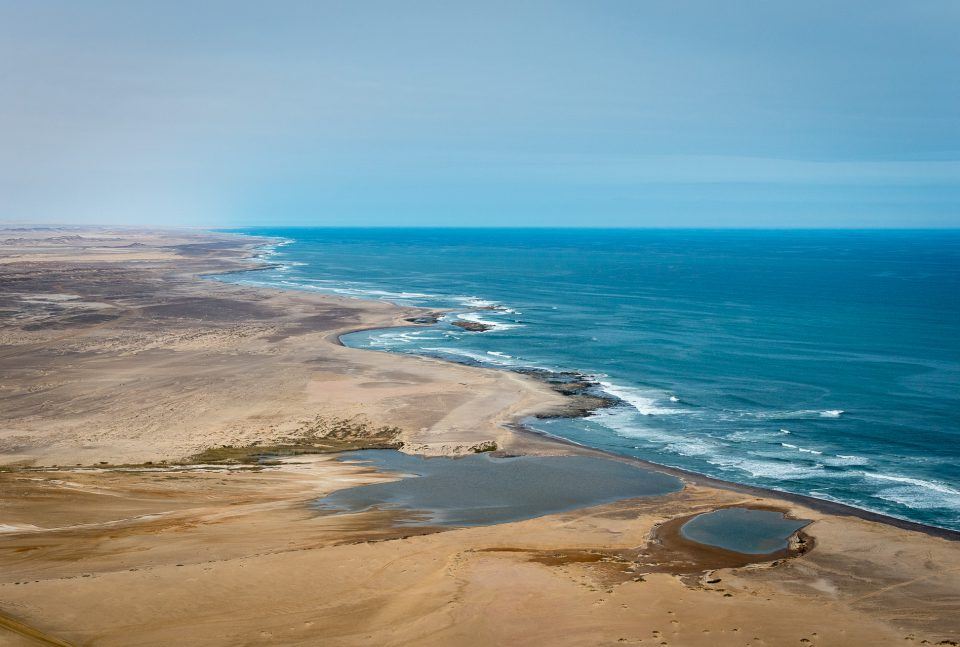
Nestled along the remote and rugged coastline of Namibia, Skeleton Coast National Park is a realm of haunting beauty and historical allure. Known for its treacherous waters and shipwrecks, it spans over 300 miles from the Ugab River in the south to the Kunene River in the north. This park, encompassing around 6,500 square miles, offers a glimpse into one of the last true wildernesses on the planet. Here, dramatic mountain ranges, arid canyons, and the windswept dunes of the Namib Desert converge with desolate beaches that echo tales of mariners lost to the sea.
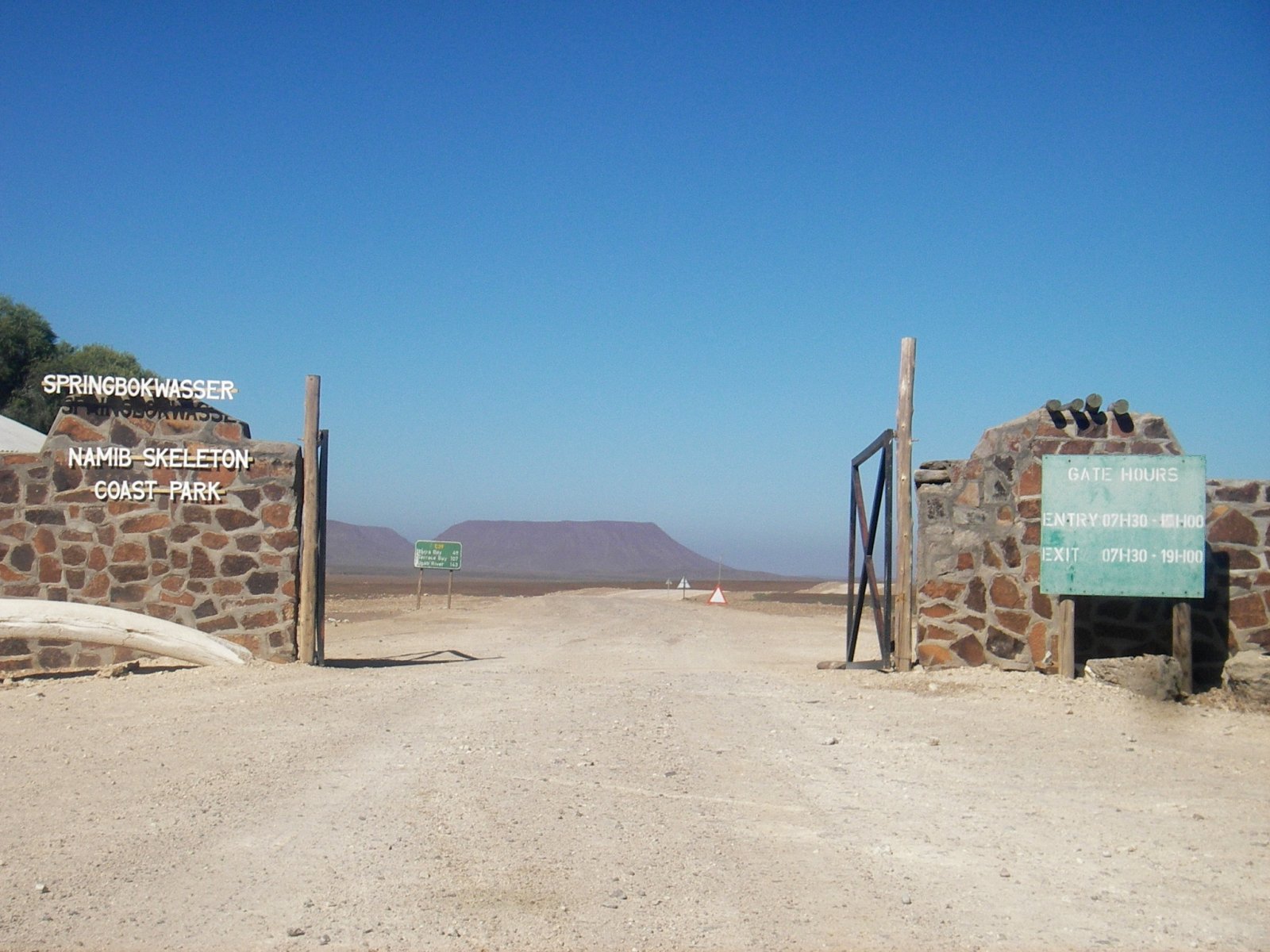
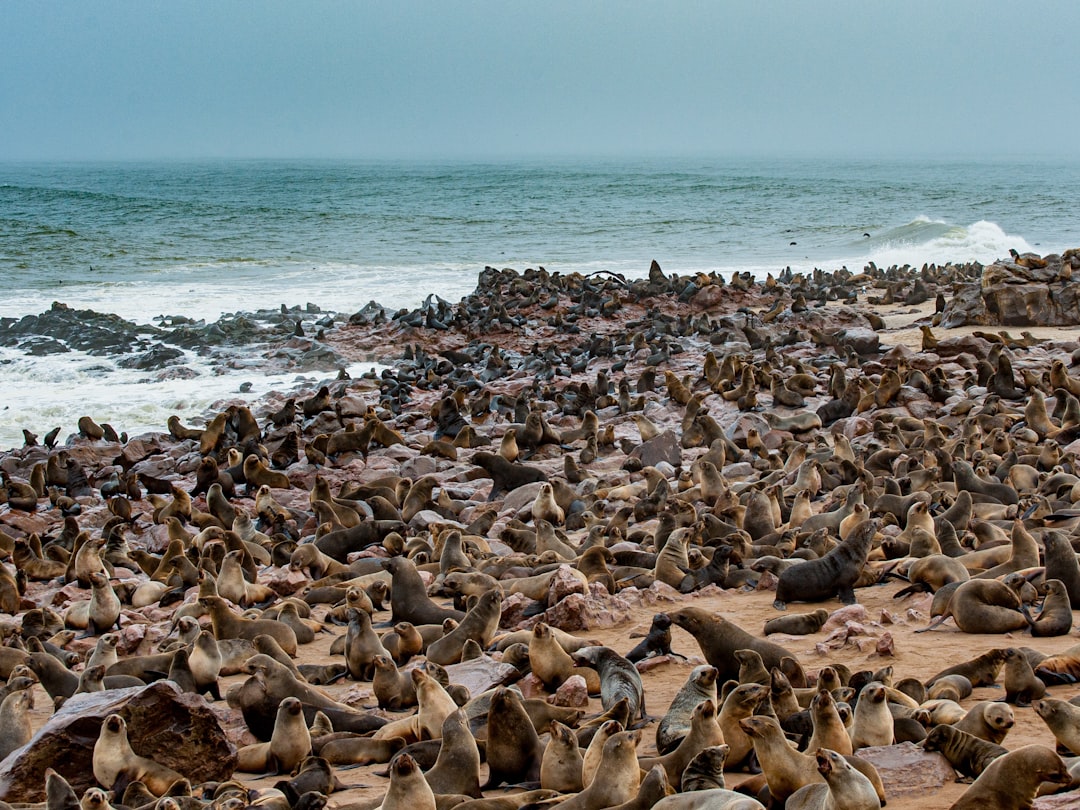
### History and Origins The history of Skeleton Coast is steeped in tales of exploration and misfortune. The name itself evokes images of shipwrecks, and the area’s inhospitable conditions have claimed numerous vessels since the late 15th century. The first European to sight the coast was Portuguese explorer Diogo Cão in 1486, who was in search of a route to India. The Skeleton Coast was subsequently named for the remains of shipwrecks and the bones of stranded whales that littered its shores. In the late 19th century, the region saw an influx of seal hunters targeting the abundant cape fur seal colonies, which still thrive today. The establishment of the park in 1971 was a crucial step in preserving this unique environment, allowing both wildlife and history to flourish.
### Art and Architecture While Skeleton Coast is primarily known for its natural wonders, it also possesses a rich artistic and cultural heritage. The indigenous Himba people, who inhabit parts of northwest Namibia, are renowned for their intricate jewelry and distinctive hairstyles, adorned with ochre and cow fat. Their art serves not only as adornment but also tells stories of their ancestry and cultural significance. The architecture here is minimalistic, as many traditional Himba dwellings are simple huts made from mud and thatch, designed to harmonize with the harsh landscape.
### Local Culture and Traditions The local culture around Skeleton Coast is a tapestry woven from the traditions of the Himba and other indigenous groups. Festivals such as the Oshana Cultural Festival, celebrated in February, showcase traditional music, dance, and storytelling, bringing together communities to honor their heritage. The Himba people are particularly known for their semi-nomadic lifestyle, which allows them to adapt to the challenging environment while maintaining their customs and social structures. Visitors often find themselves invited to witness traditional ceremonies, offering a rare glimpse into a world where ancient customs persist amidst the backdrop of modernity.
### Gastronomy Culinary experiences in the Skeleton Coast region reflect the local culture and the abundance of natural resources. Traditional dishes often feature game meat, such as kudu or oryx, which are marinated and slow-cooked to perfection. Biltong, a type of dried meat, is a popular snack that travelers can enjoy while exploring the park. The Himba's diet is also rich in dairy products, primarily from their livestock, which includes milk and traditional cheese. Local brews, such as Tafel Lager, provide a refreshing complement to these hearty meals, encapsulating the spirit of Namibian hospitality.
### Lesser-known Curiosities One of the most fascinating aspects of Skeleton Coast is its unique ecosystem, where the cold Benguela Current meets the warm waters of the Atlantic, creating a rich marine environment. This confluence attracts various marine life, including dolphins and whales, which can be seen during certain seasons. Additionally, the park is home to the Welwitschia mirabilis, a bizarre and ancient plant that can live for over a thousand years, surviving in the harsh desert climate. The hidden shipwrecks along the coastline are not only historical markers but also serve as artificial reefs, attracting diverse marine species.
### Practical Visitor Information To fully experience Skeleton Coast National Park, the best time to visit is during the dry season from May to October. During these months, the weather is cooler, and wildlife viewing is at its peak. Visitors should come prepared with adequate supplies, as facilities are limited within the park. Guided tours are highly recommended to navigate the challenging terrain and gain insights from knowledgeable guides. Key attractions include the Cape Fur Seal Colony at Cape Cross and the eerie remains of shipwrecks like the Eduard Bohlen, which tell stories of adventure and tragedy.
For those looking to explore the untamed wilderness of Skeleton Coast, the journey promises a blend of natural beauty, rich culture, and striking history that few places can offer. With its dramatic landscapes and haunting narratives, Skeleton Coast National Park remains an unforgettable destination for intrepid travelers eager to experience one of Africa's hidden gems.
Explore the wonders of Springbokwasser and plan your adventure using the Secret World app for a personalized itinerary.
