
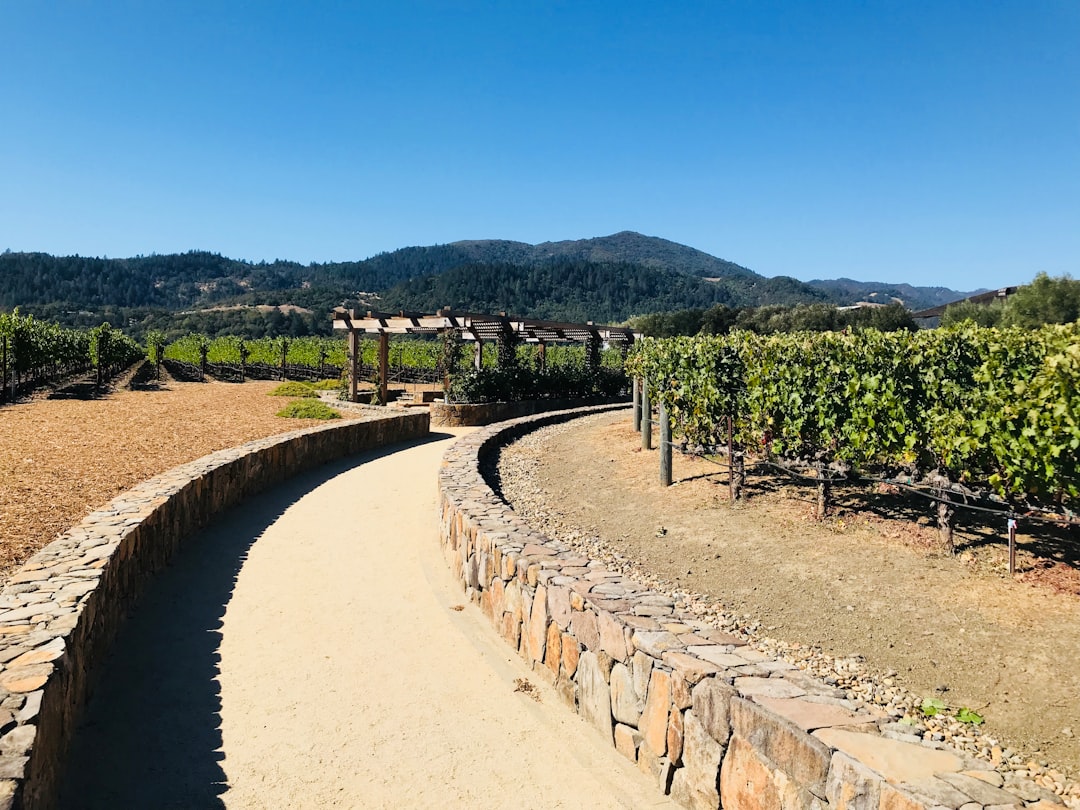

The whistle of the train echoes among the golden rows of Cabernet Sauvignon as the train departs from the Napa station in the early hours of the morning. The Napa Valley Wine Train travels about 29 miles (almost 47 kilometers) through the valley, connecting the city of Napa to St. Helena on a journey that lasts about three hours. This is not just a means of transportation: the restored cars from the 1940s have been transformed into dining rooms and bars where wines produced in the wineries that flow past the windows are tasted.
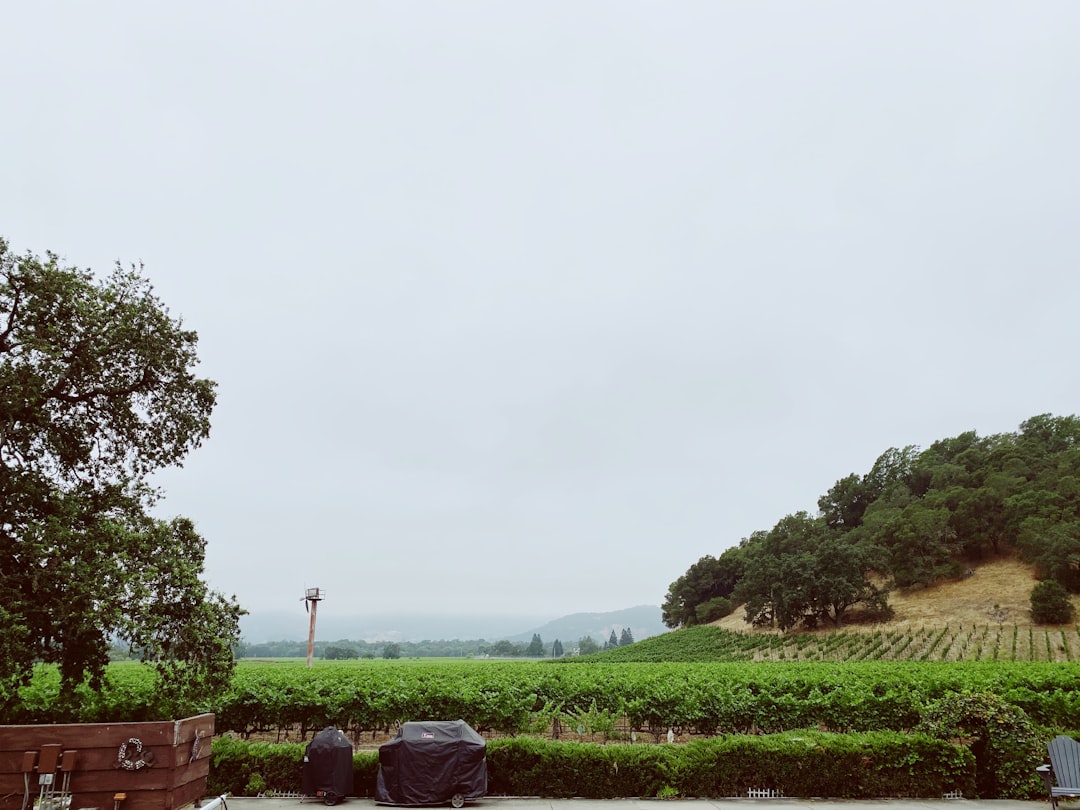
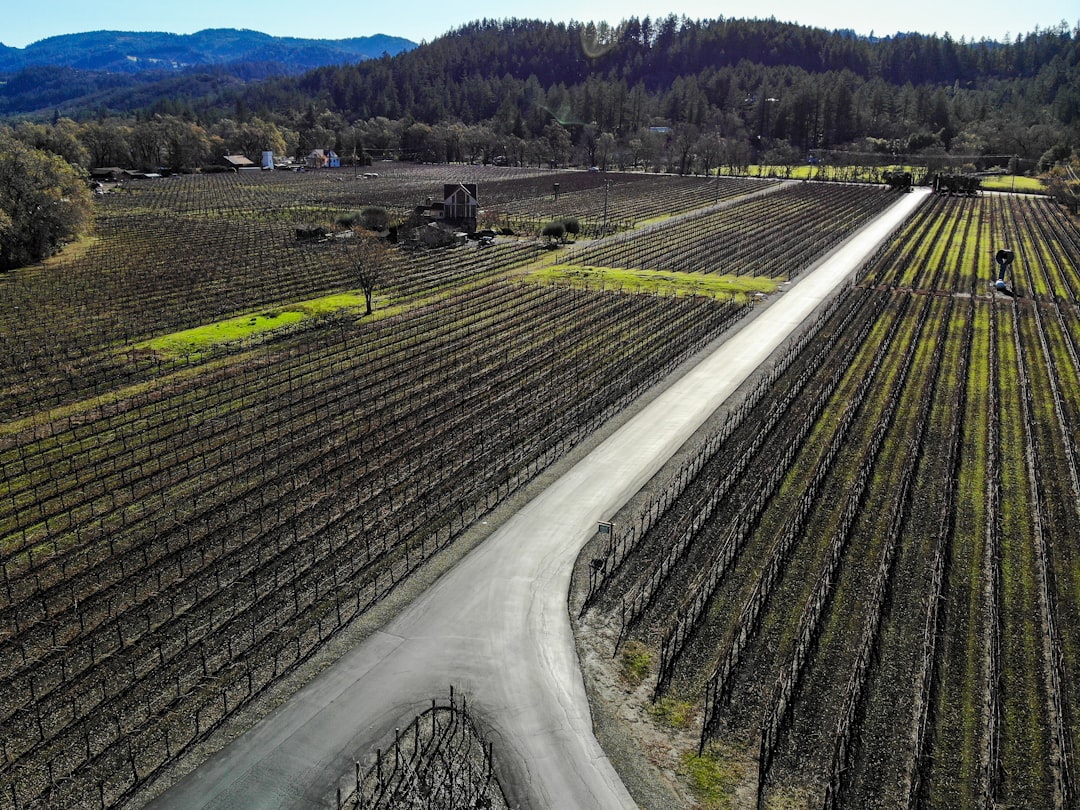
The Napa Valley is one of the most studied wine regions in America, with a microclimate determined by the proximity to San Francisco Bay to the south and the Mayacamas and Vaca mountains that border it laterally. This geographical corridor creates significant temperature variations between day and night, a fundamental condition for preserving the natural acidity of the grapes and developing complex aromatic profiles, particularly in the Cabernet Sauvignon, the emblematic grape of the valley.
The train: history and structure of the carriages
The railway service in Napa Valley has roots in the 19th century, when the first lines transported goods and passengers across the agricultural region. The current Wine Train was inaugurated in 1989 as a dedicated tourist experience, recovering original Pullman carriages from the 1930s and 1940s and restoring them with fine woods, polished brass, and leather seating. Each carriage has a specific function: there is the Vista Dome Car with its glass panoramic roof, the Wine Tasting Car dedicated to guided tastings, and the dining carriages where multi-course meals paired with local wines are served.
Tickets vary based on the type of experience chosen: a basic trip with tasting starts at around 150-170 dollars per person, while packages that include dinner and winery visits can exceed 300 dollars. It is advisable to book at least two weeks in advance, especially during the harvest months from August to October, when demand reaches its peak and seats sell out quickly.
Terroir and grape varieties: what is served on board
The term terroir in Napa Valley is not wine rhetoric: the difference between a Cabernet produced in the sub-appellation of Oakville compared to one from Calistoga is noticeable in the glass. In Oakville, where wineries like Opus One — founded in 1979 by Robert Mondavi and Baron Philippe de Rothschild from Bordeaux — are located, the gravelly and well-drained soils produce wines with fine tannins and notes of black currant and cedar. Further north, towards Calistoga, the warmer climate generates fuller-bodied wines with hints of ripe plum and dark chocolate.
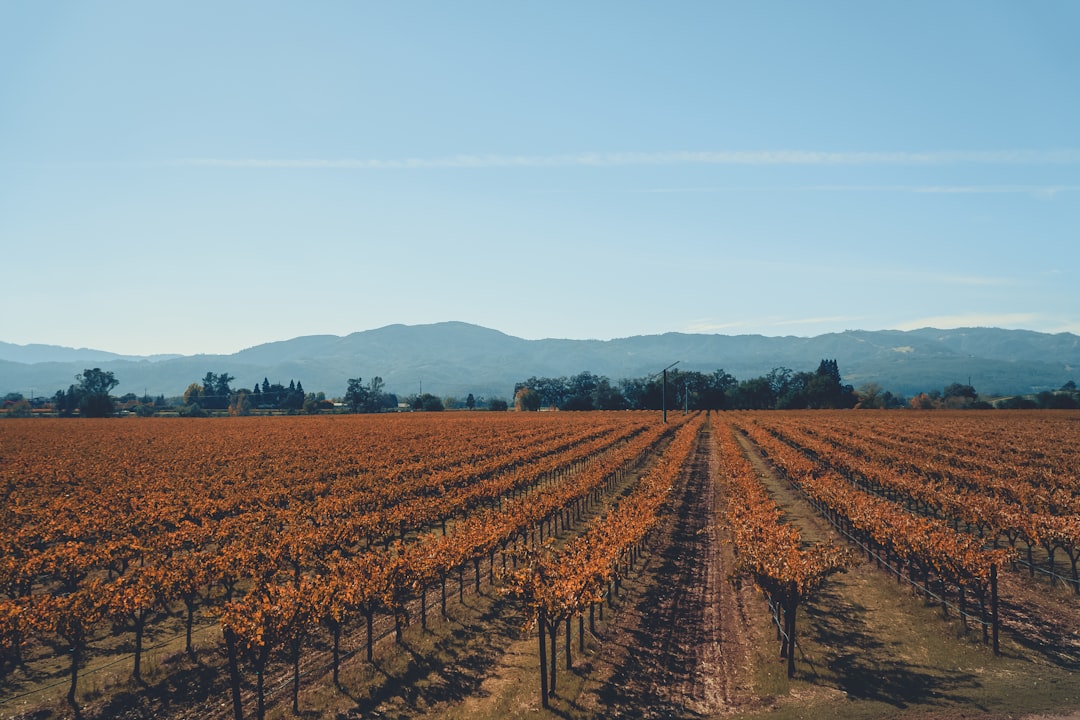
On board the train, Cabernet Sauvignon, Chardonnay, Merlot, and Sauvignon Blanc from partner wineries in the valley are usually offered. The sommeliers present explain the characteristics of each label and guide passengers through the olfactory and taste notes, making the tasting accessible even to those without specific wine training. Paying attention to the tannic structure and the length of the finish is the simplest way to distinguish the different territorial expressions.
The wineries visible from the window and those that can be visited
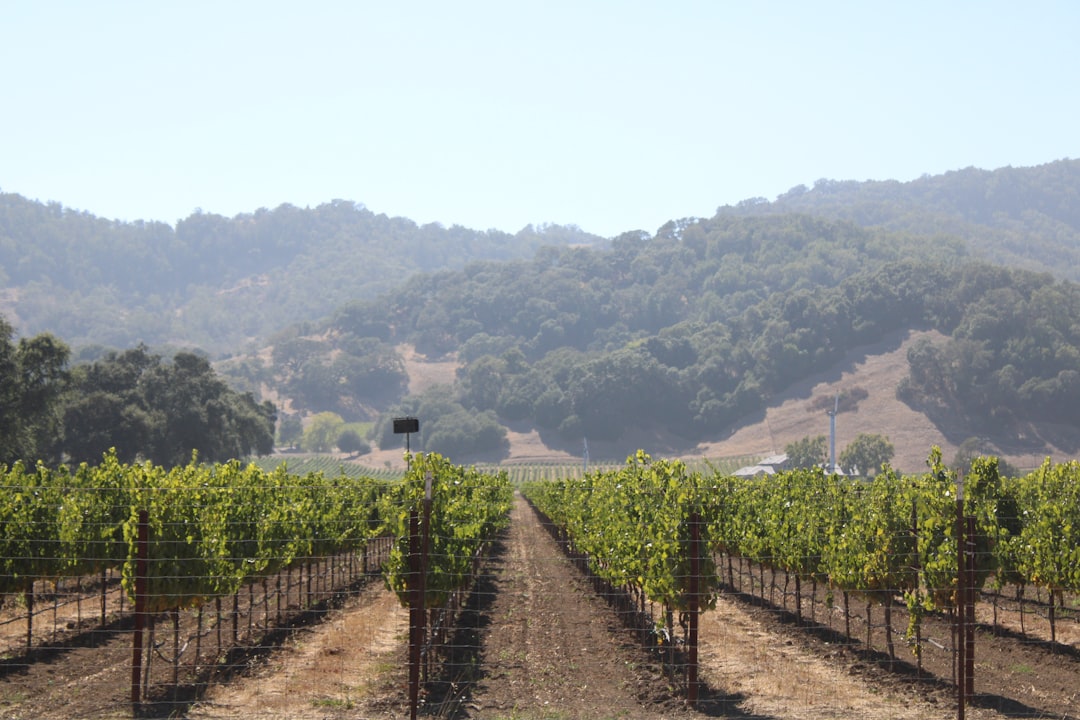
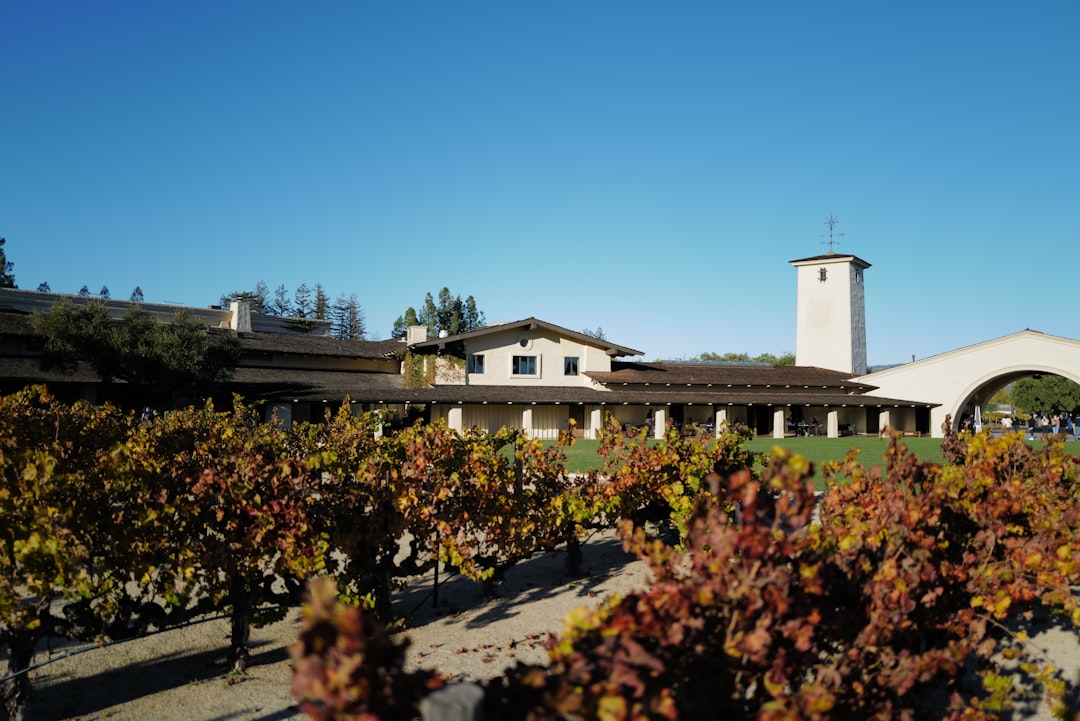
One of the most particular aspects of the trip is being able to observe from above the vineyards of some of the most renowned properties in the valley. The Robert Mondavi Winery in Oakville, founded in 1966 and designed with architectural elements inspired by California missions, is recognizable for its central arch and well-maintained gardens. Mondavi was the first American producer to label his wines with the name of the grape variety instead of generic European denominations, a choice that changed the habits of the U.S. market.
Some packages of the Wine Train include a stop at selected wineries, allowing passengers to disembark for a guided tour of 45-60 minutes before getting back on board. In these cases, there is the opportunity to directly observe the French oak barrels in the underground cellars and to compare wines at different stages of aging, an experience that is difficult to replicate on a self-guided visit.
Practical tips for organizing the visit
The departure station is located at 1275 McKinstry Street in Napa, reachable by car from San Francisco in about an hour and fifteen minutes via Highway 29. There is no direct train or bus connection from the city, so private transport or a car rental service remains the most practical solution. Free parking is available on-site for Wine Train passengers.
The best time to visit is spring between April and June, when the vineyards are green, temperatures are mild, and the valley is less crowded compared to the busy autumn season. Those who want to witness the grape harvest can choose September, but they will have to deal with higher prices and reduced availability. Wearing comfortable shoes is especially useful if the package includes visits to the wineries, where the stone floors of the underground cellars can be slippery.


