
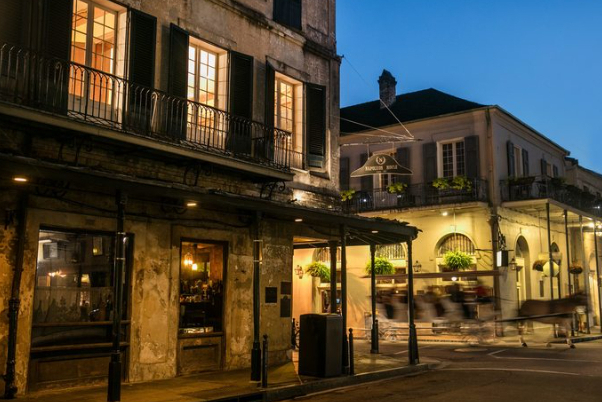

Tucked away in the heart of the French Quarter, Napoleon House is a storied landmark that whispers tales of history, art, and culture to those who pass through its doors. Its origins date back to 1797, when it was built as a private residence by Nicholas Girod, who later became the Mayor of New Orleans. Recognized for its historical significance, this building was once intended as a sanctuary for Napoleon Bonaparte during his exile. Although the Emperor never set foot in New Orleans, the house has retained his name, enveloping visitors in a sense of what might have been.
The history of Napoleon House is as rich and complex as the city itself. Girod's gesture to offer his home to Napoleon was steeped in the political intrigue of the early 19th century, reflecting the sympathies many Americans held for the exiled leader. Despite its unfulfilled destiny as a refuge for Napoleon, the building became a bustling hub of local activity and a silent witness to the evolving story of New Orleans. Through the years, it has been a residence, a shop, and finally, in 1914, a bar and café, which it remains today.
Architecturally, Napoleon House exudes the charm of the French Quarter with its weathered façade and timeworn elegance. The building showcases a delightful blend of Creole architecture, characterized by its stucco walls, arched doorways, and wrought-iron balconies. Inside, the patina of aged wood and the soft glow of dimly lit interiors evoke a sense of timelessness. This ambiance is further enhanced by an eclectic collection of artwork, including vintage photographs and oil paintings that adorn the walls, each telling a piece of New Orleans' vibrant past.
Culturally, Napoleon House is a microcosm of New Orleans' unique blend of traditions. The French Quarter is famous for its lively festivals and parades, and the house is no exception to these customs. Throughout the year, it serves as both a haven and a vantage point for observing the city's festivities, from the exuberant Mardi Gras to the soulful Jazz Fest. The building's very atmosphere resonates with the spirit of these celebrations, making it a cultural touchstone for locals and visitors alike.
The culinary offerings at Napoleon House are quintessentially New Orleanian, with a menu that pays homage to the city's gastronomic heritage. Visitors can savor the Muffuletta, a hearty sandwich of Italian meats and olive salad, perfected here since the early 20th century. The bar is renowned for its Pimm's Cup, a refreshing cocktail that has become a signature drink at this establishment. These dishes and drinks reflect the melting pot of influences—Italian, French, Spanish—that define New Orleans cuisine.
While tourists flock to the French Quarter, many miss the lesser-known stories hidden within Napoleon House. One such tale is of the building's ghostly resident, a former soldier believed to haunt the premises, adding an air of mystery for those who enjoy a good ghost story. Additionally, in the quiet courtyard, visitors may discover the subtle remnants of Creole voodoo practices, a testament to the spiritual traditions that have interwoven with the city's Catholic roots.
For those planning a visit, the best time to experience Napoleon House is during the cooler months of October through April, when the city is alive with festivals yet free from the sweltering heat. Arriving early in the day or late in the afternoon can provide a more intimate experience, allowing time to savor the ambiance without the crowds. As you explore, be sure to look for the historic Napoleon portrait, an enduring symbol of the house's intriguing past.
In the end, Napoleon House is more than just a building; it is a living museum of New Orleans' complex history and culture. Whether drawn by its historical allure, architectural beauty, or culinary delights, visitors will find themselves enchanted by the stories that echo through its walls.


