
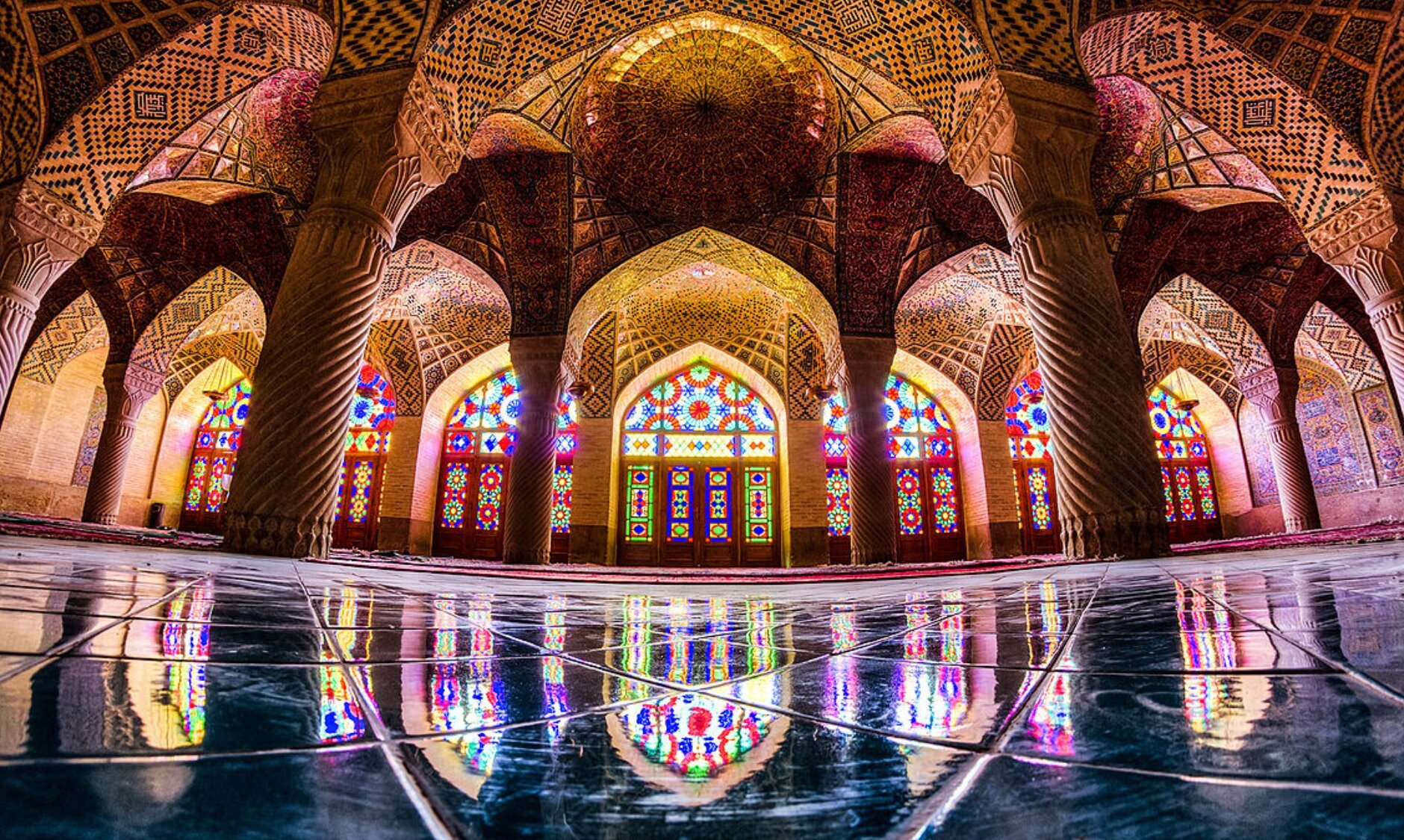

In the heart of Shiraz, a city renowned for its rich history and vibrant culture, lies the mesmerizing Nasir al-Mulk Mosque. Often referred to as the Pink Mosque, this architectural gem is a testament to the artistic brilliance of the Qajar dynasty, and it's a must-visit for anyone looking to immerse themselves in the splendor of Persian heritage.
History and Origins
Construction of the Nasir al-Mulk Mosque began in 1876 and was completed in 1888 under the patronage of Mirza Hassan Ali Nasir al-Mulk, a notable provincial governor. The mosque was designed by the architect Mohammad Hasan Esfahani, who infused it with intricate details that reflect the sociopolitical milieu of the time. The Qajar dynasty, which ruled Iran from 1785 to 1925, was marked by a revival of Persian culture and arts, and this mosque is a striking embodiment of that resurgence.
The mosque served not only as a place of worship but also as a center for community gatherings, symbolizing the spiritual and cultural life of the people of Shiraz. Its construction coincided with a period of modernization in Iran, where such monumental buildings became expressions of identity and pride amidst the influence of Western architecture.
Art and Architecture
Stepping into the Nasir al-Mulk Mosque feels like entering a realm of color and light, thanks to its stunning stained glass windows that create a breathtaking display of hues as sunlight filters through them. The architectural style is a harmonious blend of traditional Persian and Islamic elements, characterized by arabesque arches, intricate tile work, and vibrant mosaics.
The mosque's interior is adorned with thousands of painted tiles, each telling its own story through complex patterns and motifs. The ceiling, with its pink tiles, is particularly notable and has contributed to the mosque's nickname. Visitors are often captivated by the breathtaking courtyard, which features a rectangular pool surrounded by lush gardens, reflecting the grandeur of the mosque’s architecture.
One of the most significant artworks within the mosque is the mihrab, or prayer niche, intricately designed with geometric patterns and calligraphy. This serves not only as a focal point for prayer but also as a stunning example of Persian artistry.
Local Culture and Traditions
The surrounding culture of Shiraz is rich with traditions that honor both its historical significance and contemporary practices. The city is known for its poets, such as Hafez and Saadi, whose works echo through the streets and gardens. In this cultural milieu, the Nasir al-Mulk Mosque stands as a symbol of community and faith, frequently visited during important religious observances and local festivals.
One of the most notable festivals in Shiraz is Nowruz, the Persian New Year, celebrated in the spring. During this time, the mosque becomes a hub of activity, with families gathering to pray and celebrate together. Visitors can witness local customs, including the preparation of traditional sweets and the wearing of colorful garments, enhancing the vibrant atmosphere of the mosque.
Gastronomy
No visit to Shiraz would be complete without indulging in its exquisite culinary offerings. The region is famous for its Faloodeh, a traditional Persian frozen dessert made with thin rice noodles and served with rose water and lime. Another local delicacy is Kebab, particularly Joojeh Kebab, marinated chicken skewers that are grilled to perfection and often enjoyed in the company of saffron-infused rice.
Visitors should also try Shirin Polow, a fragrant rice dish mixed with nuts and dried fruits, which is often served during special occasions. Pair your meal with a refreshing glass of Doogh, a yogurt-based drink, to experience the flavors of Shiraz fully.
Lesser-Known Curiosities
While most visitors are drawn to the vibrant stained glass, few notice the subtle details that make the Nasir al-Mulk Mosque truly unique. For example, the mosque’s design allows for optimal light reflection, creating a natural light show that changes throughout the day.
Additionally, the mosque is one of the few in Iran that has a designated space for women, reflecting the evolving societal norms during the Qajar era. Many tourists miss the intricate calligraphic inscriptions that adorn the walls, which contain verses from the Quran, serving both decorative and educational purposes.
Practical Visitor Information
To fully appreciate the Nasir al-Mulk Mosque, visiting in the early morning is recommended. The soft sunlight illuminates the stained glass, creating a breathtaking display that dances across the polished floors. The mosque is open to visitors throughout the week, and there is often a small entrance fee.
While inside, take your time to explore every corner, as each section reveals another layer of beauty and history. Be sure to bring your camera, but remember to be respectful of the prayer areas and the worshippers who frequent this sacred space.
A visit to Shiraz is incomplete without experiencing the magic of the Nasir al-Mulk Mosque. For a personalized journey through this enchanting city, consider using the Secret World app to plan your itinerary.


