
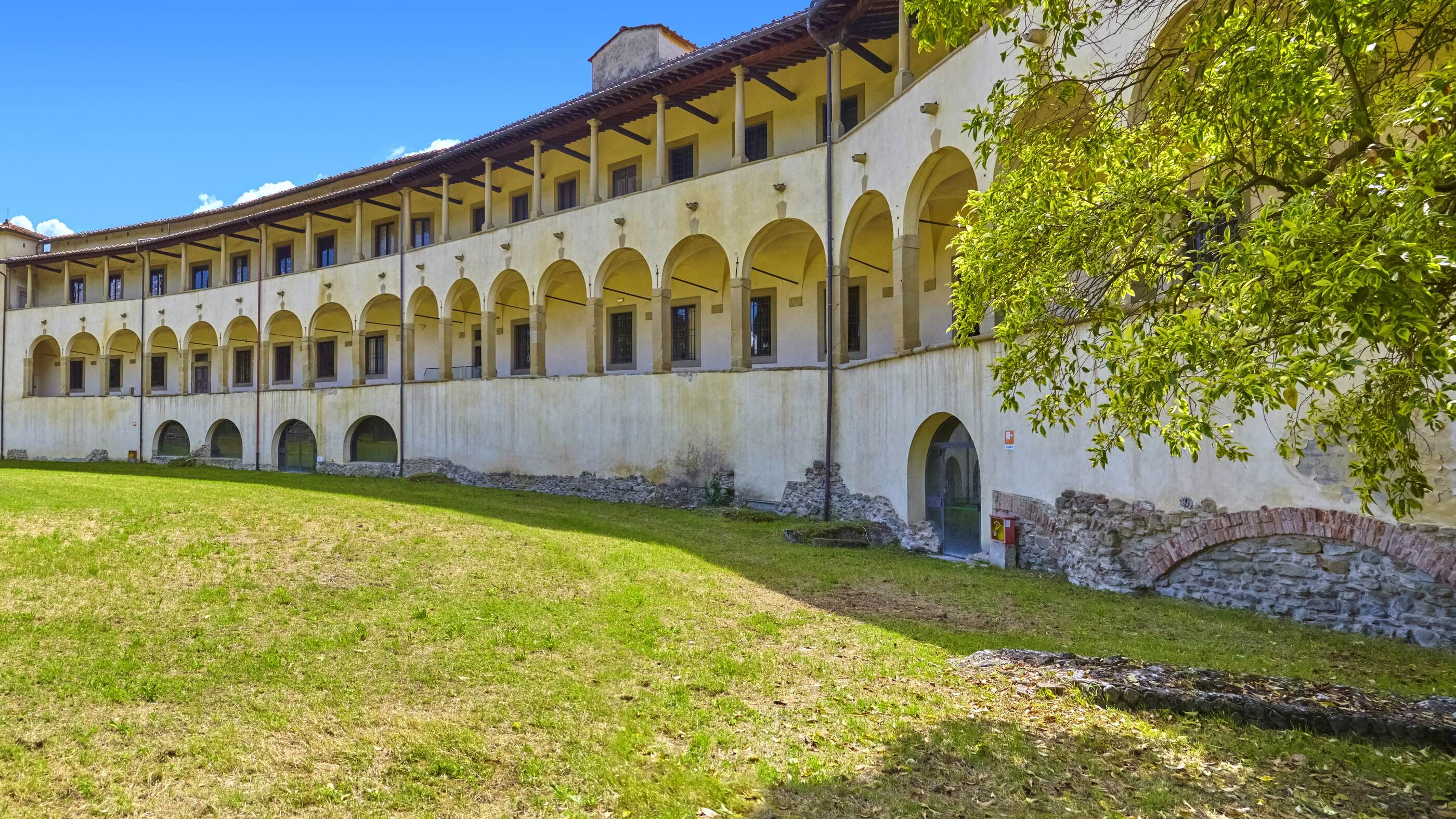

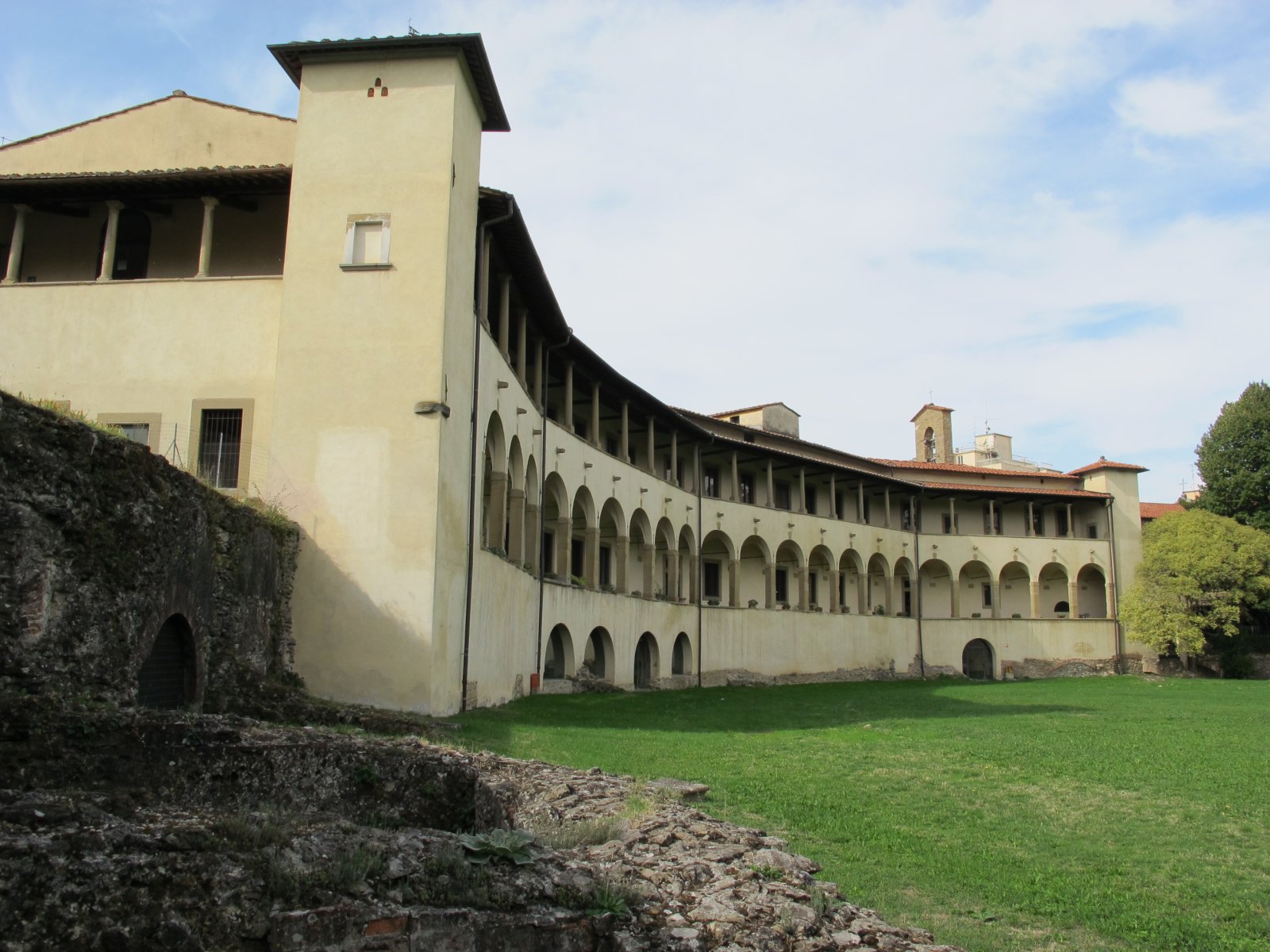
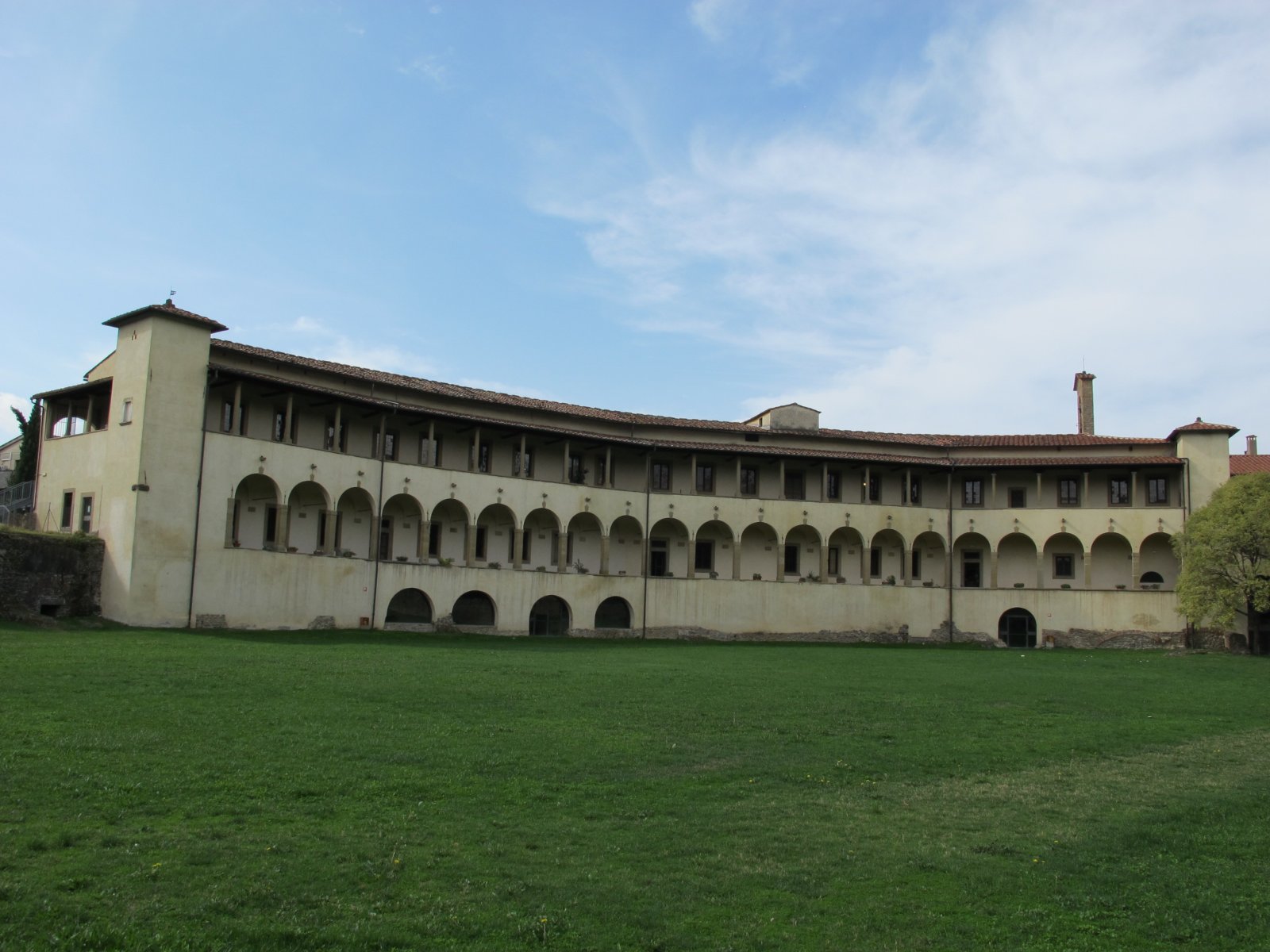
Nestled in the heart of Arezzo, the National Archaeological Museum "Gaio Cilnio Maecenas" offers a profound glimpse into the rich tapestry of Etruscan and Roman civilisations. Located within the former Monastery of St. Bernard, this museum stands on the remnants of a Roman amphitheater from the mid-second century AD, with its ancient vaults visible on the ground floor, a silent testament to the city's layered history.
The museum derives its name from Maecenas, a prominent figure in Arezzo during the reign of Emperor Augustus. Known as a patron of the arts, Maecenas played a crucial role in the cultural development of Rome, and his legacy continues to inspire artists and historians alike. The establishment of this museum in the late 19th century was a significant event, aimed at preserving the archaeological treasures unearthed in the region, which has long been recognized for its historical importance.
Architecturally, the museum is a fusion of medieval and classical styles, reflecting the evolution of Arezzo itself. The former monastery, with its serene cloisters and vaulted ceilings, sets a contemplative backdrop for the museum's extensive collection. Visitors can admire an array of artifacts, including the quinipodium, a rare monetary piece, with only two examples known worldwide. This remarkable artifact exemplifies the intricate craftsmanship of the Etruscans and their advanced monetary systems.
Among the museum's highlights are the exquisite Etruscan jewels discovered in the necropolis of Poggio del Sole, which showcase the artistry and sophistication of Etruscan society. The coroplastic decorations from Piazza San Iacopo and Via Roma (circa 480 BC) provide insights into religious practices, while the artifacts from the grand sanctuary of Castelsecco (II-I century BC) reveal the city’s expansive cultural landscape.
Art lovers will be captivated by the Euphronius krater, a stunning vessel dating back to 510-500 B.C., celebrated for its intricate depictions of mythological scenes. The amphora from Casalta, attributed to the school of the Meidias painter, further enriches the museum’s collection of Attic ceramics. Meanwhile, the museum's Roman section features a striking portrait of Livia, the wife of Emperor Augustus, reflecting the importance of portraiture in Roman culture.
Beyond its archaeological treasures, the National Archaeological Museum serves as a cultural cornerstone for Arezzo. The city is known for its vibrant traditions, particularly the Giostra del Saracino, a historical jousting tournament held twice a year. This event, steeped in medieval tradition, showcases the spirit of Arezzo and brings the community together in celebration. As a visitor, experiencing this festival is a remarkable way to engage with the local culture.
Culinary traditions in Arezzo complement its rich history. The local cuisine is deeply rooted in Tuscan flavors, featuring dishes such as pici (thick handmade pasta), cacciucco (a hearty fish stew), and the famous pecorino cheese. Pair your meal with a glass of Chianti, a wine that embodies the essence of the region. Don’t overlook the chance to try cantucci, almond biscuits often enjoyed with Vin Santo, a sweet dessert wine that rounds off a meal beautifully.
For those venturing to the museum, there are intriguing curiosities awaiting discovery. One lesser-known fact is that the museum houses the most extensive collection of vasi corallini, a unique type of pottery produced in Arezzo between the 1st century B.C. and the 1st century A.D. This distinctive pottery, characterized by its coral-like designs, not only showcases the artistic skills of ancient artisans but also highlights Arezzo's historical significance in the pottery trade.
To truly appreciate everything the National Archaeological Museum has to offer, the best time to visit is during the weekdays when the crowds are thinner, allowing for a more intimate experience with the exhibits. Consider joining a guided tour to gain deeper insights into the stories behind the artifacts. Don’t forget to take a moment in the cloisters, where the tranquil ambiance adds a reflective quality to your visit.
As you explore the treasures of the National Archaeological Museum "Gaio Cilnio Maecenas," let your curiosity lead you down the paths of history, art, and culture that define Arezzo. For a personalized journey through this captivating city, consider using the Secret World app to plan your itinerary.


