
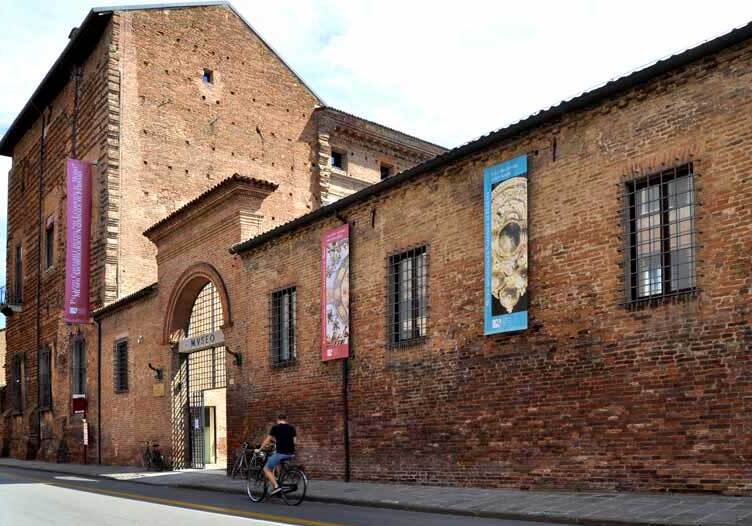

In the heart of Ferrara, a city steeped in history and culture, lies the National Archaeological Museum, a treasure chest of ancient artifacts that speak of a bygone era. Housed within a building designed by the esteemed architect Biagio Rossetti for Antonio Costabili, this museum invites visitors to explore the rich legacy of the Etruscan civilization and its vibrant commercial hub, Spina.
The origins of the museum are deeply connected to Spina, an Etruscan port town that thrived between the 6th and 3rd centuries B.C. Located near the confluence of the Po River, Spina was a critical trading center that facilitated cultural exchanges between the Etruscans and other Mediterranean civilizations. The necropolis of Spina, discovered in the 19th century, revealed over 4,000 tombs, each filled with exquisite artifacts that reflect the artistry and sophistication of Etruscan society. This wealth of findings laid the groundwork for the museum, which was established in 1884 to showcase these remarkable discoveries.
Architecturally, the museum is a blend of Renaissance and Mannerist styles, a testament to Rossetti's vision. The building's façade features elegant lines and classical elements that evoke a sense of grandeur. Inside, the museum has undergone recent renovations, presenting a modern layout that respects the original design while incorporating contemporary display technology. Notably, the Treasure Room, adorned with frescoes by Garofalo, captivates visitors with its opulent atmosphere and showcases artifacts of incredible artistic merit.
Among the museum's highlights is the Room of the Dugouts, featuring unique monossil vessels from the late Roman period, alongside the Room of the Ori, which houses stunning gold, silver, and amber jewelry from the 5th and 4th centuries B.C. The ground floor is dedicated to "the city of the living," focusing on the daily life, cult practices, and myths of Spina's inhabitants, providing a comprehensive understanding of their culture.
Ferrara’s local culture is rich with traditions that celebrate its history. The Palio di Ferrara, held annually in May, is a vibrant festival that honors the city’s medieval past. This colorful event features a thrilling horse race, parades, and historical reenactments, attracting both locals and tourists alike. Additionally, the city’s culinary heritage reflects its diverse influences, with local dishes such as Tortellini di Ferrara and Cappellacci di Zucca—pumpkin-filled pasta—showcasing the region's agricultural bounty. Pairing these dishes with a glass of Pignoletto wine, a local white varietal, is a delightful way to experience the flavors of Ferrara.
For those seeking lesser-known curiosities, the museum offers fascinating tidbits that often go unnoticed. One such gem is the virtual library that introduces visitors to the necropolis, blending technology with history to create an immersive experience. Additionally, the museum's collection includes a striking Etruscan cinerary urn, intricately carved and depicting scenes of daily life, providing insight into the beliefs and practices surrounding death and the afterlife.
The best time to visit the National Archaeological Museum of Ferrara is during the spring and early autumn months when the weather is mild, and the city is less crowded. Plan your visit on a weekday to fully appreciate the exhibits without the hustle of weekend tourists. Be sure to take your time in the main floor galleries, where masterpieces of Attic vascular painting and exquisite Etruscan bronzes await your admiration.
As you wander through the museum's halls, don’t miss the opportunity to engage with knowledgeable staff who can offer deeper insights into the artifacts and their significance. Look for special exhibits and guided tours that may be available, enhancing your understanding of this historically rich site.
With its captivating artifacts, stunning architecture, and rich cultural context, the National Archaeological Museum of Ferrara is a must-visit destination for anyone intrigued by ancient history and the artistry of the Etruscans. To make the most of your visit to Ferrara and explore its hidden gems, consider using the Secret World app for a personalized AI itinerary that will guide you through this enchanting city.


