
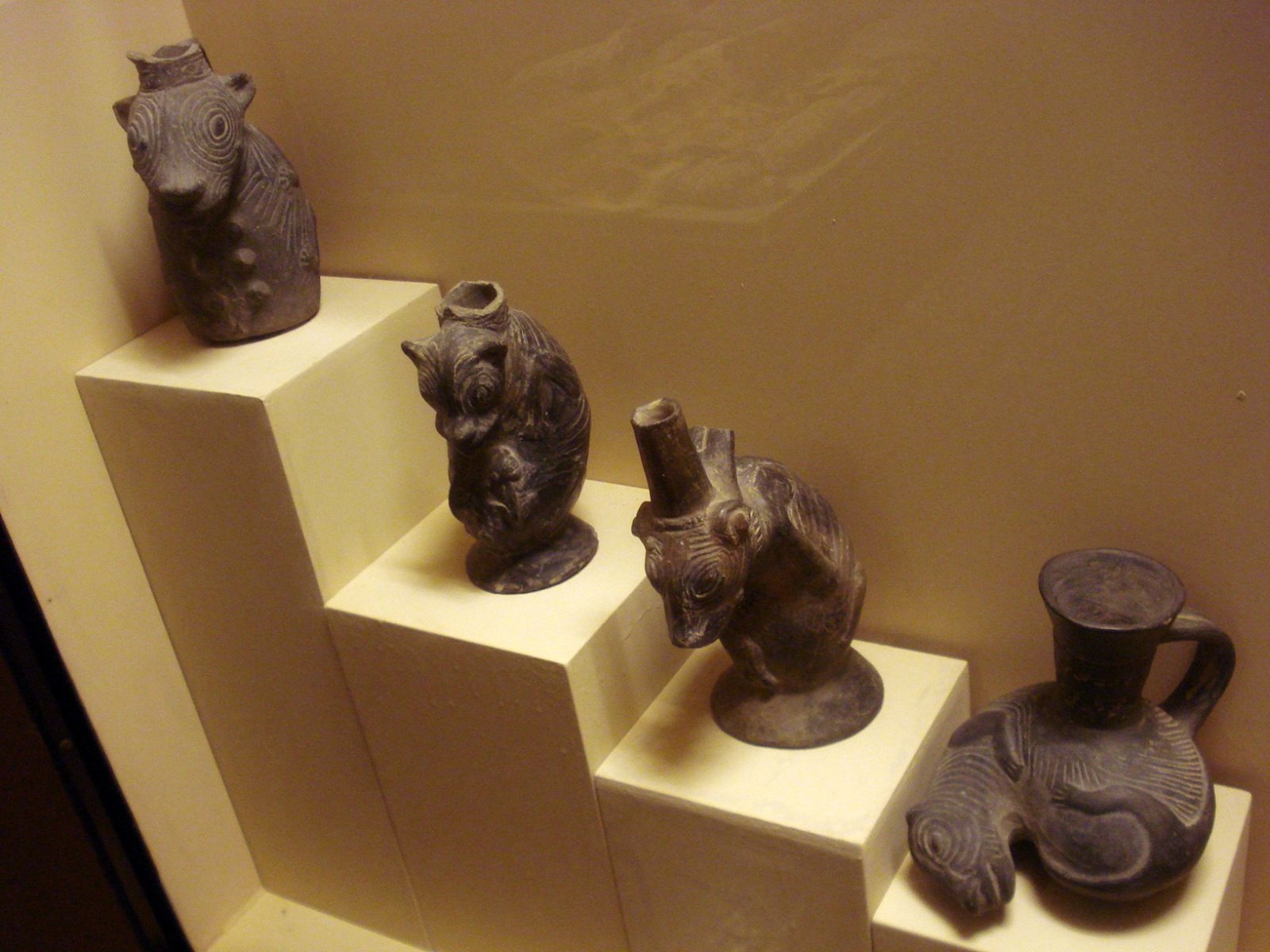

In the heart of Peru, in Lambayeque, lies the National Brüning Archaeological Museum, a place that serves as a gateway to the ancient history of one of the most fascinating civilizations of pre-Columbian America. Inaugurated in 1966, the museum is dedicated to the preservation and enhancement of Peruvian cultural heritage, with a particular focus on the collections gathered by Hans Heinrich Brüning, a German researcher who devoted his life in the 19th century to studying indigenous cultures. His collection was acquired by the Peruvian government in 1924, and since then the museum has been constantly enriched by new discoveries and donations.
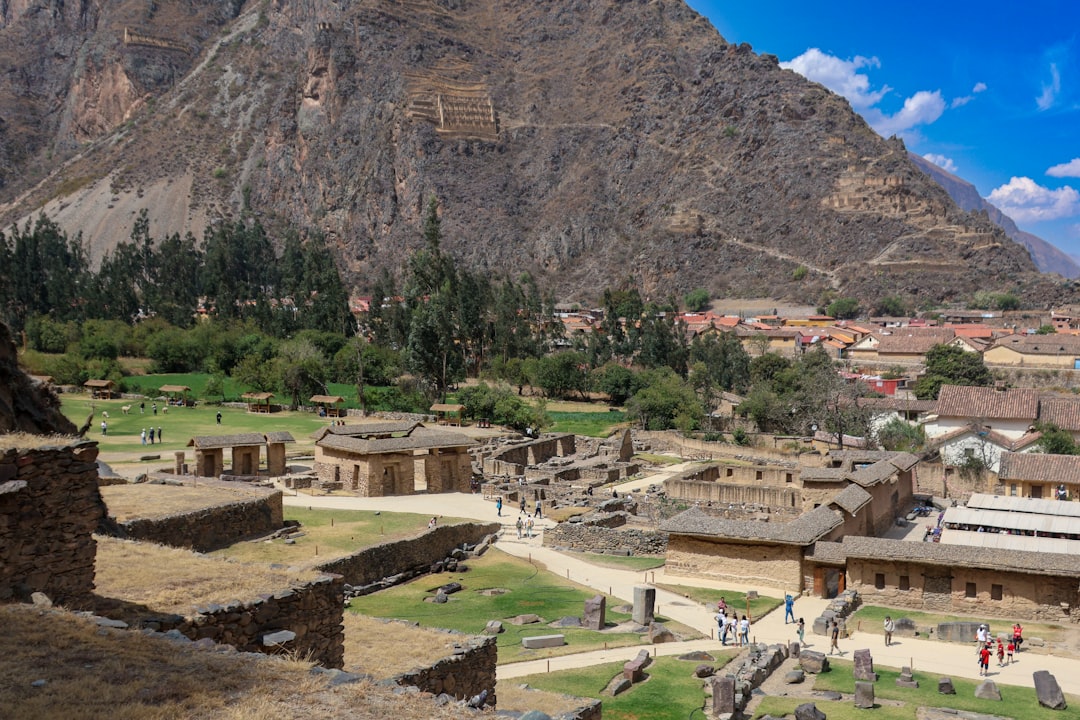
The museum is just a short walk from the main park of Lambayeque, in a modern and functional building inspired by Le Corbusier's architecture. With over 1500 pieces on display, including an extraordinary collection of textiles and ceramics from the Chimú and Vicús cultures, the Brüning Museum is a fundamental landmark for those wishing to understand the richness and variety of pre-Columbian art.
Historical and Cultural Context
The origins of the Brüning Museum date back to the late 19th century when Hans Heinrich Brüning began collecting artifacts from various Andean cultures. His passion for archaeology and the history of pre-Columbian civilizations led to the creation of one of the most important collections in Peru, which today tells stories of ancient civilizations and their traditions. The museum not only preserves objects of great historical value but also serves as a research and training center, contributing to the dissemination of knowledge about Peru's indigenous cultures.
Among the various cultures represented, the artifacts of the Moche and Lambayeque civilizations stand out, leaving an indelible mark on Peru's history. Archaeological discoveries, such as those from the Tomb of the "Lord of Sipán," have significantly enriched the museum's collections, allowing visitors to immerse themselves in a past rich in rituals and traditions.
What Impresses About the Place
One of the most fascinating features of the Brüning Museum is its Golden Room, where up to 500 works of art in gold are displayed, including funerary masks and ritual objects. These treasures, housed in sealed rooms, offer a unique glimpse into the craftsmanship of ancient Peruvian cultures and their use of gold in ceremonial contexts. The variety and complexity of the exhibited objects make the museum a place of continuous discovery, where each visit can unveil new details and stories.
Moreover, the museum is equipped with well-designed exhibition spaces that facilitate visitor interaction with the works. The arrangement of the rooms and strategic lighting help highlight the beauty and importance of the artifacts, making the visit experience not only informative but also emotionally engaging.
Visiting Experience
Visiting the National Brüning Archaeological Museum is an experience that goes beyond merely observing ancient objects; it is a journey through time that invites reflection on Peru's cultural richness. Visitors can explore the various rooms of the museum, each dedicated to specific cultures and historical periods, and admire unique artifacts, such as elaborate ceramics and colorful textiles that tell stories of daily life and rituals of ancient civilizations.
Additionally, the museum offers educational activities and workshops for schools and groups of visitors, allowing everyone to deepen their knowledge of Peruvian history. The presence of expert guides further enriches the experience, providing contexts and anecdotes that make each visit unique and memorable.
Practical Information for Visitors
The National Brüning Archaeological Museum is easily accessible from the center of Lambayeque and offers a range of services to ensure a comfortable visit. Opening hours are flexible, allowing visitors to plan their visit according to their needs. It is advisable to dedicate at least a couple of hours to explore the various sections of the museum and fully immerse oneself in the history of pre-Columbian cultures.
For those wishing to further enhance their experience, the museum also has a gift shop where books and local crafts can be purchased. Finally, for those seeking advice on other places to visit in Peru, the Secret World app is an excellent resource for discovering hidden gems and fascinating itineraries.


