
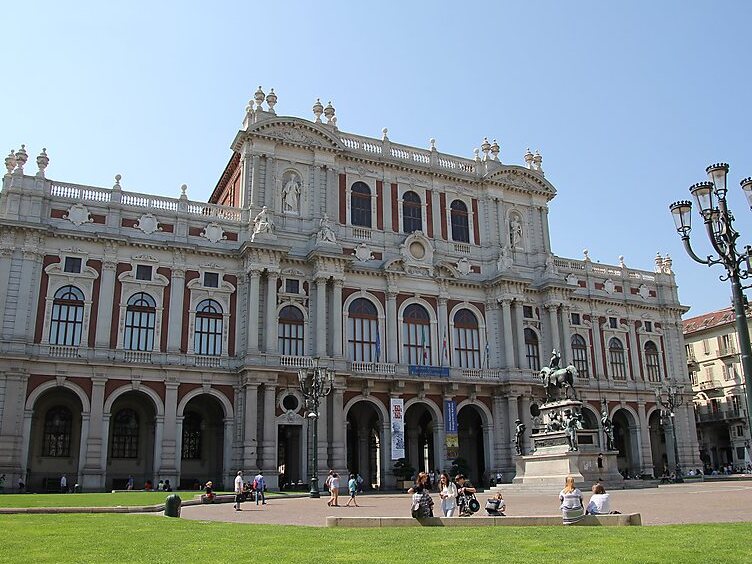

Nestled in the heart of Torino, the National Museum of the Italian Risorgimento stands as a testament to the complex history of Italy's unification and the cultural shifts that shaped a nation. Housed in the stunning Palazzo Carignano, a baroque masterpiece designed by Guarino Guarini between 1679 and 1683, the museum offers a deep dive into the Risorgimento—the period that marked Italy's transition from a collection of fragmented states to a unified kingdom.

The museum’s origins can be traced back to the late 19th century when it was established to commemorate the struggles and triumphs of the Italian unification movement. The Risorgimento, which spanned from the late 1700s to the early 1900s, was marked by a series of social and political upheavals, including uprisings and wars. Notable figures like Giuseppe Garibaldi, Count Camillo di Cavour, and King Victor Emmanuel II played pivotal roles in these events, which the museum captures through an impressive collection of artifacts, documents, and multimedia presentations.
As you step inside, you are greeted by 30 meticulously curated rooms that take you through this transformative era. The exhibitions cover everything from the French Revolution's influence on Italian nationalism to the unification wars of the 1860s, all the way to the eve of the Great War. At the heart of the museum lies the Chamber of Deputies from the subalpine parliament, a national monument that has remained unchanged since the revolutionary fervor of 1848. This unique space allows visitors to experience the very atmosphere where Italy's legislative history unfolded.

Architecturally, Palazzo Carignano is a marvel in itself. Its rich baroque style, characterized by intricate stuccoes and grand staircases, reflects the grandeur of the House of Savoy, the ruling dynasty of the region. The building’s façade, with its striking red brick, is adorned with elegant windows and sculptural decorations that invite admiration. Inside, the museum is not just a repository of history but also a canvas of art, featuring portraits of key figures, historical paintings, and sculptures that bring the past to life.
In addition to its historical significance, the museum serves as a cultural hub for Torino. The local customs and traditions are deeply intertwined with the Risorgimento, evident in the city's annual festivals commemorating unification, such as Festa della Repubblica on June 2. During this time, the streets come alive with parades, fireworks, and public gatherings, celebrating the spirit of national pride and unity that the Risorgimento instilled.
No exploration of Torino would be complete without indulging in its rich gastronomy. The region is renowned for its culinary delights, particularly the bagna cauda, a warm dip made from garlic, anchovies, and olive oil, best enjoyed with seasonal vegetables. Another local specialty is gianduiotto, a creamy chocolate confection made with hazelnuts that reflects the region’s agricultural bounty. Pair your meal with a glass of Barolo or Barbaresco, two prestigious wines from the nearby Langhe region, to truly savor the local flavors.
For those intrigued by the lesser-known aspects of the museum, there are hidden gems waiting to be discovered. One such curiosity is the Resistenza section, which explores the role of the Italian Resistance during World War II, shedding light on how the ideals of the Risorgimento continued to influence the fight against fascism. Additionally, the museum houses a specialized library with an extensive collection of newspapers and documents related to the Risorgimento, offering a treasure trove for researchers and history enthusiasts alike.
When planning your visit, the best time to explore the National Museum of the Italian Risorgimento is during the spring or fall, when the weather is mild, and the crowds are smaller. Be sure to allocate sufficient time to wander through the exhibitions, as each room is rich with artifacts that tell the story of a nation in the making. Don't miss the interactive displays that provide insight into the era's socio-political dynamics, bringing history to life in captivating ways.
With its profound historical significance, architectural beauty, and cultural vibrancy, the National Museum of the Italian Risorgimento is a must-visit for anyone seeking to understand Italy's story. As you immerse yourself in the past, you'll gain a deeper appreciation for the complexities of modern Italian identity.
For a seamless exploration of Torino, consider using the Secret World app to craft a personalized itinerary that suits your interests.


