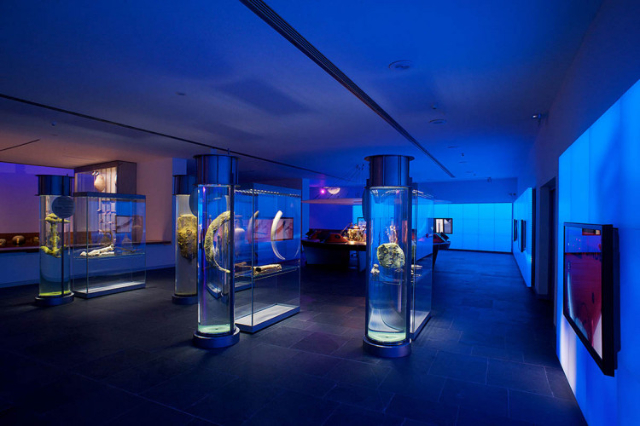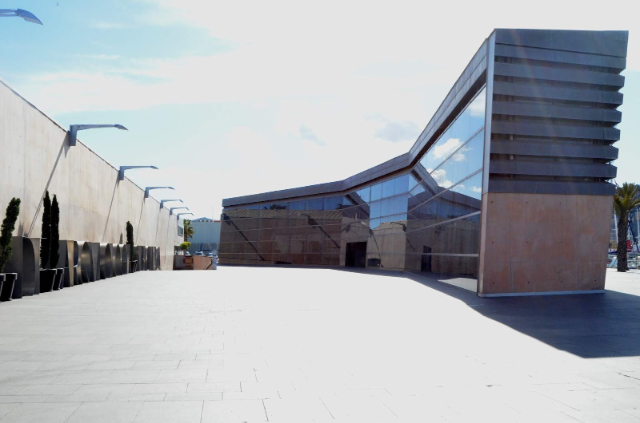

ARQUA is an essential reference for discovering the Spanish underwater heritage in two great areas. The first one, "Underwater Cultural Heritage", which focuses on the explanation of the methodology used in underwater excavations. The two buildings for an impressive modern structure, linked below ground level and designed to create an underwater effect. Inside, this remarkable space contains exhibits explaining the fascinating process of underwater archaeology itself, and an eclectic collection of artifacts relating to historic ships used in the ancient Mediterranean maritime trade. An interesting feature is the replica of one of the Phoenician ships (7th century AD), found in Mazarrón. The other area, known as "Mare Hibericum", invites visitors to discover the Iberian Penisula through the dynamic trade history of the Mediterranean, from antiquity to the 19th century. There are also elephant tusks from Phoenician times, discovered in the Bajo de la Campana site. It is the first underwater archaeology museum in Spain. Some of the best features are the reconstructed cross sections of ships showing how the vessels were constructed and how cargoes were stowed. There are some very detailed miniature dioramas showing scenes of port activity and model vessels from various eras.
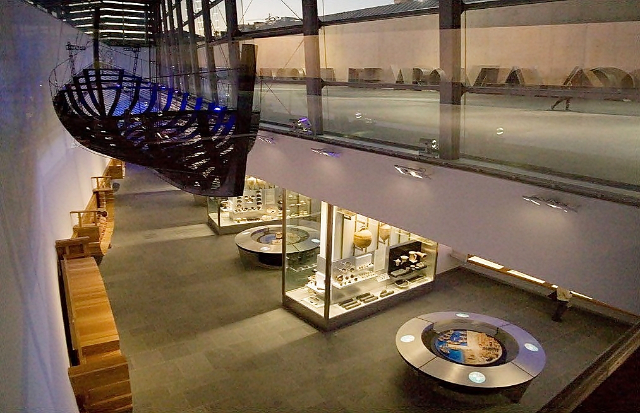
The last display is about the Spanish frigate Nuestra Senora de las Mercedes, which sank off Portugal in 1804. The wreck spawned an important legal case between the Spanish government and the treasure hunting company Odyssy Marine Exploration, which resulted in the return of about $500 million worth of plundered artifacts to Spain, including a wealth of traditional Spanish coins that are on display at the museum.