
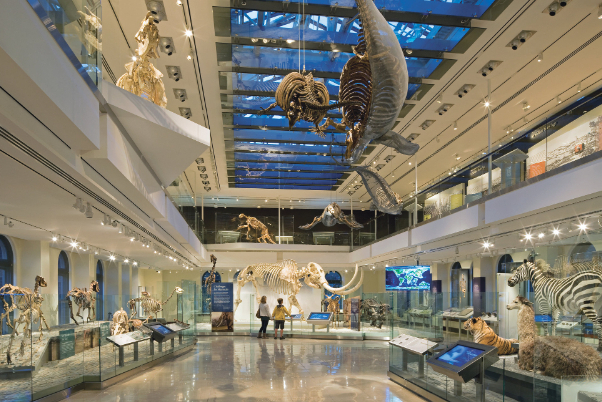

In the heart of Los Angeles, the Natural History Museum stands as a monumental testament to the natural world and human history. Founded in 1913, this museum has grown to become one of the largest of its kind in the United States, boasting an extraordinary collection of nearly 35 million specimens. The museum's Beaux-Arts architecture, complete with marble walls and a striking central dome, is a marvel in itself, inviting visitors to step into a world where the past and present harmoniously coexist.
The museum's origins trace back to the early 20th century, a time when Los Angeles was rapidly expanding and cultural institutions began to take root. The establishment of the museum was a significant cultural milestone for the city, emphasizing the importance of preserving natural history for future generations. In 1920, the addition of the iconic colonnaded rotunda further solidified its place as a cultural icon.
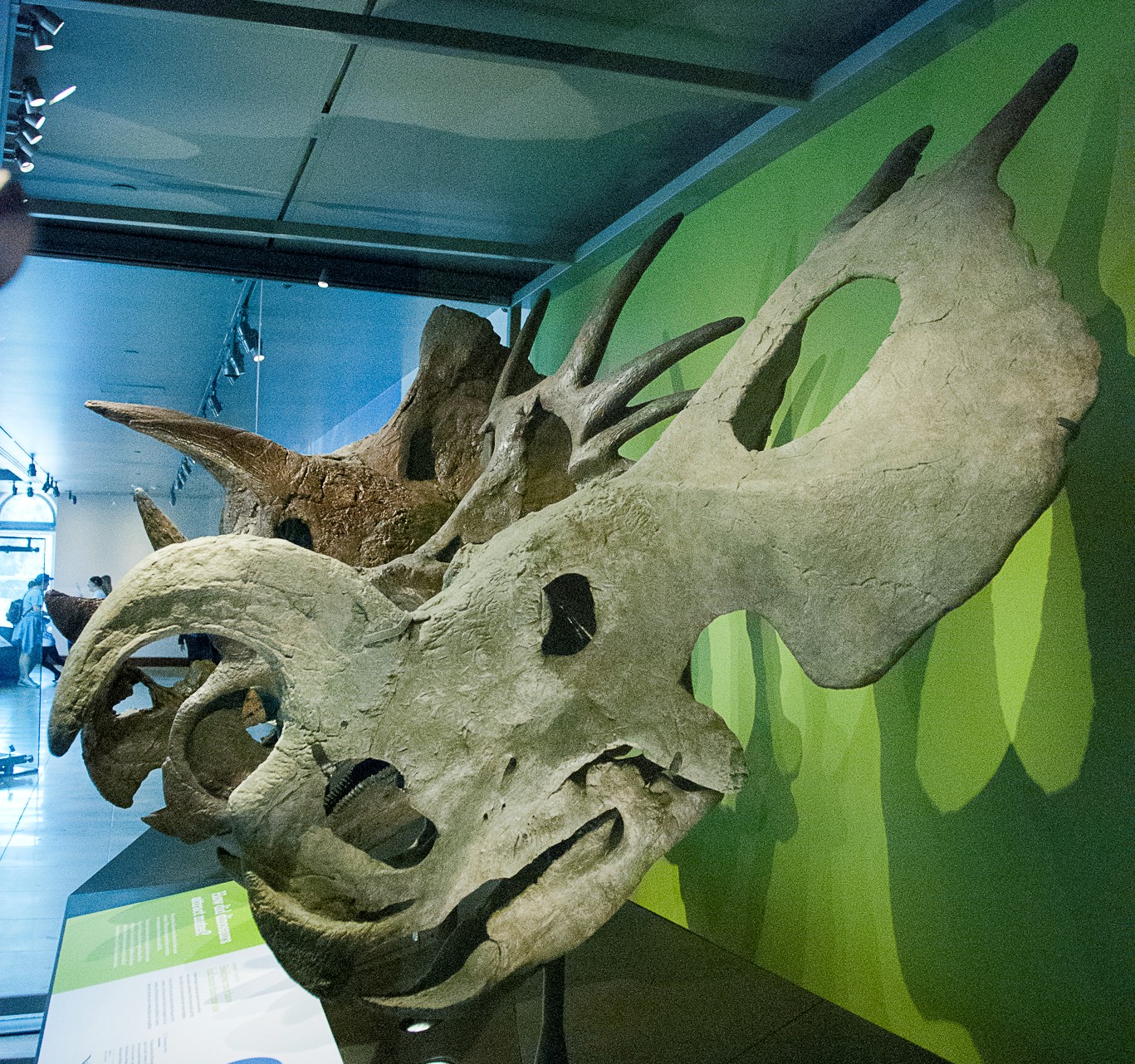
Architecturally, the museum is a masterpiece. Its Beaux-Arts style, characterized by grandiose and symmetrical designs, draws inspiration from classical Roman and Greek architecture. The central dome, adorned with intricate designs, is not just a structural element but a piece of art that tells a story of elegance and history. Inside, visitors can find the renowned Dinosaur Hall, home to one of the most extensive collections of dinosaur fossils in the world, including a rare Tyrannosaurus rex growth series.

Los Angeles is a melting pot of cultures, and the museum reflects this with its diverse exhibits. The museum plays an integral role in local traditions, often hosting events and festivals that celebrate cultural diversity and scientific discovery. These events provide a platform for Angelenos to connect with their heritage and learn about the natural world, fostering a sense of community and appreciation for the planet's wonders.
While wandering through the museum, visitors should take a moment to explore the hidden gems that often go unnoticed. One such curiosity is the Nature Gardens, a living exhibit that extends the museum's mission beyond its walls. This outdoor space allows guests to witness Southern California's native plants and wildlife up close, offering a peaceful retreat from the bustling city.
For those looking to explore the culinary scene, Los Angeles offers a plethora of gastronomic delights, from the famous California rolls to the indulgent French dip sandwiches. While the museum itself does not feature extensive dining options, the surrounding areas provide ample opportunity to savor the diverse flavors that define Los Angeles cuisine.
When planning your visit, consider coming during the spring or fall when the weather is pleasant, and the museum is less crowded. Allocate a full day to explore the extensive exhibits, and don't miss the Gem and Mineral Hall, a dazzling display of nature's artistry.
To create a personalized itinerary for your Los Angeles adventure, the Secret World app offers a curated experience tailored to your interests.


