


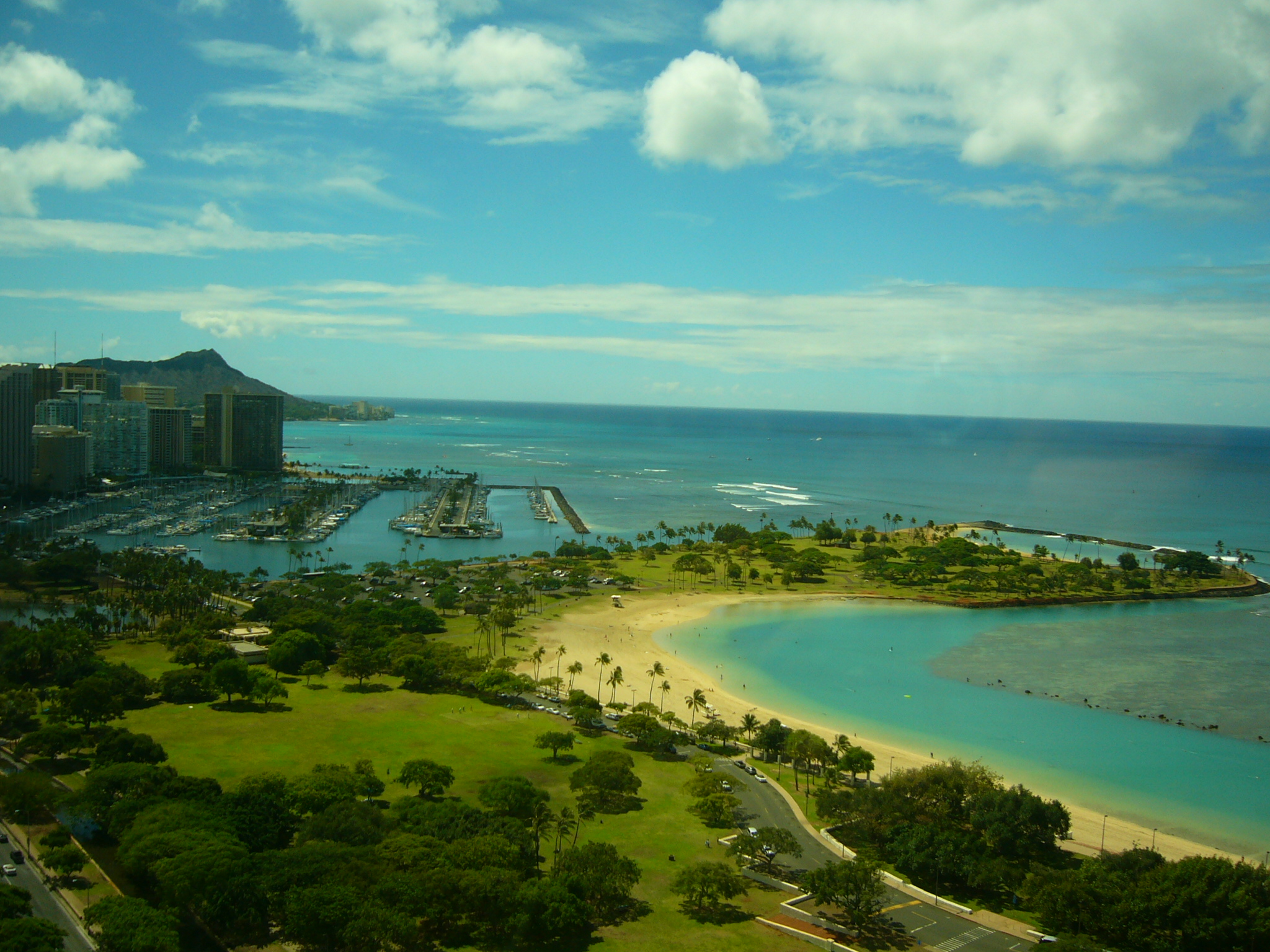
Tucked away in the vast expanse of the Pacific Ocean, Nauru is an island nation that remains one of the world's best-kept secrets. With its serene beaches and lush forests, it's a place where time seems to stand still, offering a rare glimpse into a past that has largely remained untouched by modernity.
History and origins of Nauru are as rich as its natural beauty. The island was first settled by Micronesian and Polynesian people around 3,000 years ago. For centuries, it remained isolated, developing a unique culture and language known as Nauruan. European contact began in 1798 when British captain John Fearn sighted the island, naming it Pleasant Island. The late 19th century brought significant change when Germany annexed Nauru in 1888, integrating it into its colonial empire. The discovery of phosphate in 1900 marked a turning point, leading to a century of exploitation by various powers, including Australia, which administered the island after World War I under a League of Nations mandate. Nauru gained independence in 1968, becoming the world's smallest independent republic, a testament to its resilience and determination.
Art and architecture in Nauru reflect its storied past and cultural diversity. Traditional Nauruan art is deeply tied to its history, with carvings and weaving being prominent. The island doesn't boast grand architectural feats, but rather, its charm lies in simple structures like the Nauru House, a symbol of its economic peak during the phosphate boom. The decaying remnants of phosphate infrastructure scattered across the island serve as poignant reminders of its complex past. Efforts to revive traditional crafts are ongoing, with local artists drawing inspiration from their natural surroundings and heritage.
The local culture and traditions of Nauru are as vibrant as the island’s sunsets. Despite its small size, Nauru has a rich tapestry of customs and traditions. The islanders celebrate Angam Day, a day of thanksgiving and reflection, marking the times when the population recovered to 1,500 after near-extinction during the early 20th century. The Nauruan way of life is deeply communal, with extended families forming the core of social structure. Music and dance are integral, with traditional songs and dances performed during festivals, offering a window into the island's soul.
Gastronomy in Nauru is a delightful fusion of local produce and international influences. The island’s cuisine is heavily based on seafood, with fresh fish like tuna being a staple. Traditional dishes often feature coconut, a versatile ingredient used in everything from curries to desserts. A must-try is the Ika, a raw fish dish marinated in lime and coconut milk, reflecting the island’s reliance on the ocean. While Nauru imports much of its food, the local markets are a treasure trove of tropical fruits like pandanus and breadfruit, offering exotic flavors to adventurous palates.
For those seeking lesser-known curiosities, Nauru offers a trove of unique stories. One such tale is the island's brief foray into the world of finance, when it attempted to establish itself as a tax haven, a venture that ultimately faltered. Despite its economic challenges, Nauru boasts a surprising biodiversity, with the Buada Lagoon serving as a serene freshwater escape. The skeletal remnants of Japanese World War II installations, such as pillboxes and bunkers, dot the landscape, whispering stories of strategic significance during the Pacific War.
When considering practical visitor information, timing is everything. The best time to visit Nauru is during its dry season, from May to October, when the weather is most favorable for exploring its natural beauty. Visitors should be prepared for a lack of typical tourist infrastructure; accommodations are limited but offer a cozy, intimate experience. Hiring a local guide is invaluable for uncovering the island’s hidden gems. English is widely spoken, and the local currency is the Australian dollar, making transactions straightforward for many travelers.
In Nauru, visitors will find more than just a destination; they'll discover a unique narrative woven through its land and people. It's a place that invites explorers to engage deeply, offering an experience defined not by what is seen, but by the stories that linger in the heart long after departure.
