
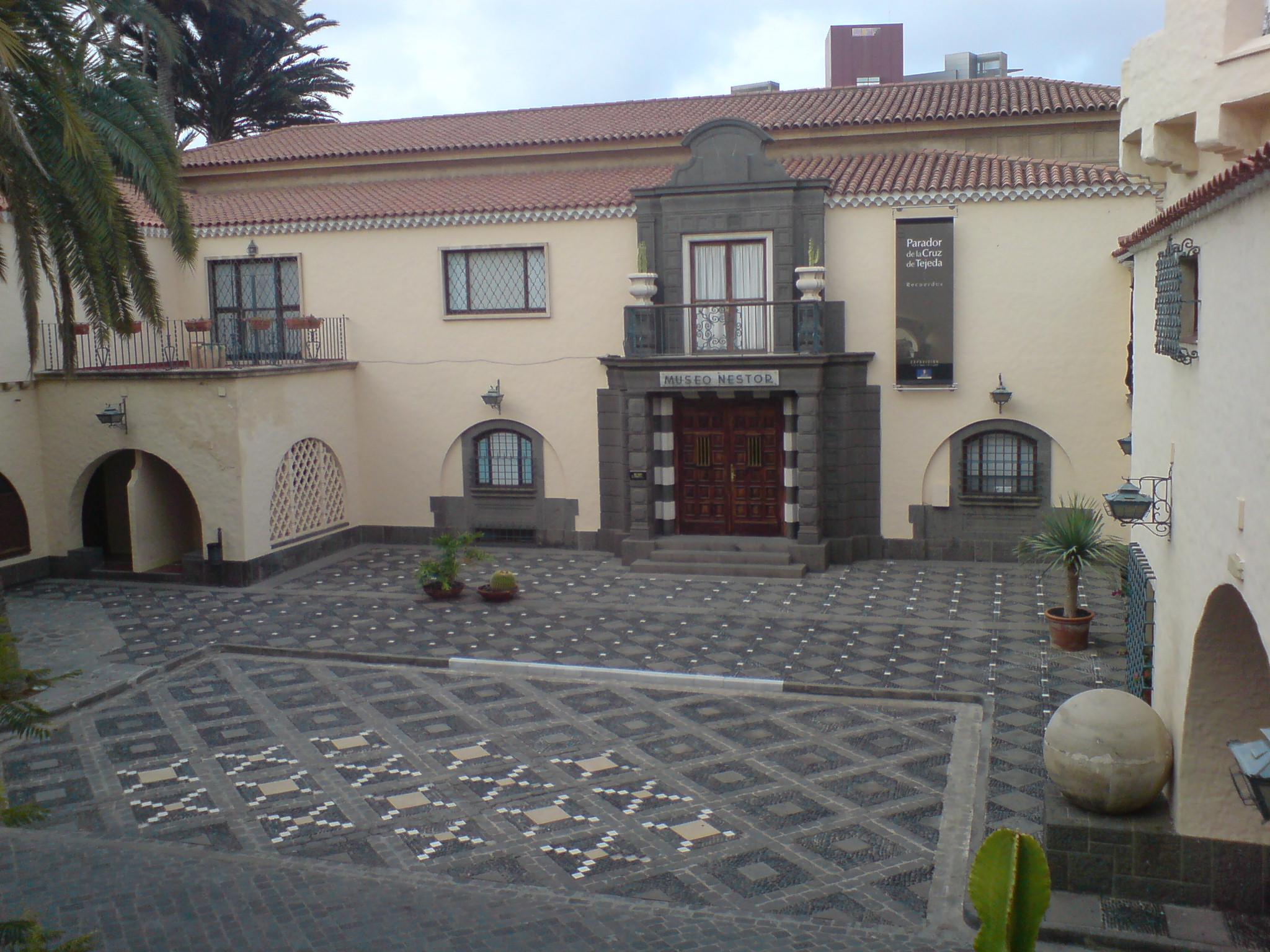

Nestled in the heart of Las Palmas de Gran Canaria, the Néstor Museum and Art Gallery offers a captivating journey into the world of one of Spain's most profound artists, Néstor Martín-Fernández de la Torre. This remarkable enclave not only provides a respite from the island's sun-drenched beaches but also serves as a testament to the artistic spirit that has thrived in the Canary Islands.
The museum's origins are deeply intertwined with the life of Néstor himself. Born in 1887 in Las Palmas, Néstor was a prodigious talent, painting his first major work, "Marina," at the tender age of 13 in the year 1900. His untimely death in 1938 left his artistic legacy unorganized, but his brother, Miguel Martín-Fernández de la Torre, dedicated himself to preserving Néstor's work by establishing this museum in 1956, ensuring that the artist’s vibrant visions would continue to inspire.
Architecturally, the museum is a gem of Neo-Canarian style, an aesthetic movement that Néstor himself championed, blending traditional Canarian elements with modernist influences. The building’s design, characterized by earthy tones and intricate wooden carvings, reflects the broader artistic and cultural renaissance of the Canary Islands during the early 20th century.
Inside, visitors can marvel at Néstor’s masterpieces, such as the "Poema del Atlántico" and "Poema de la Tierra" series. These works capture the essence of the Canarian landscape and its connection to the natural world, illustrating Néstor's visionary approach to art. His pieces are a bold amalgamation of symbolism and expressionism, with a unique ability to convey the mystical qualities of his native land.
Las Palmas, beyond its artistic heritage, is rich in local culture and traditions. The city is known for its vibrant festivals, such as the Carnival of Las Palmas de Gran Canaria, one of the oldest and most colorful carnivals in Spain, celebrated with parades, music, and elaborate costumes. The museum itself often participates in these cultural festivities, offering special exhibitions and events that highlight the fusion of art and tradition.
Gastronomy in Las Palmas is a flavorful journey that complements a visit to the museum. Typical dishes include "sancocho canario," a hearty fish stew often served with the local "mojo" sauce, and "papas arrugadas," small Canarian potatoes boiled in salted water. To complete the experience, a glass of local wine or "ron miel," a honey-infused rum, offers a sweet conclusion.
There are lesser-known curiosities about the museum that enrich the visitor experience. For instance, Néstor was not only a painter but also a designer of stage sets and costumes, which is evident in the intricate details and theatrical flair of his works. Additionally, his influence extended beyond art into architecture, as he envisioned and contributed to the development of the Neo-Canarian architectural style.
For practical purposes, the best time to visit the museum is during the cooler months from October to April, allowing for a more comfortable exploration of both the art and the city’s outdoor attractions. Visitors should look for guided tours that delve into the stories behind each artwork, offering deeper insights into Néstor's creative genius.
Whether you're an art aficionado or a curious traveler, the Néstor Museum is a must-visit destination that beautifully encapsulates the spirit and culture of Gran Canaria. Use Secret World to tailor an immersive, personalized itinerary for your journey to Las Palmas de Gran Canaria.


