
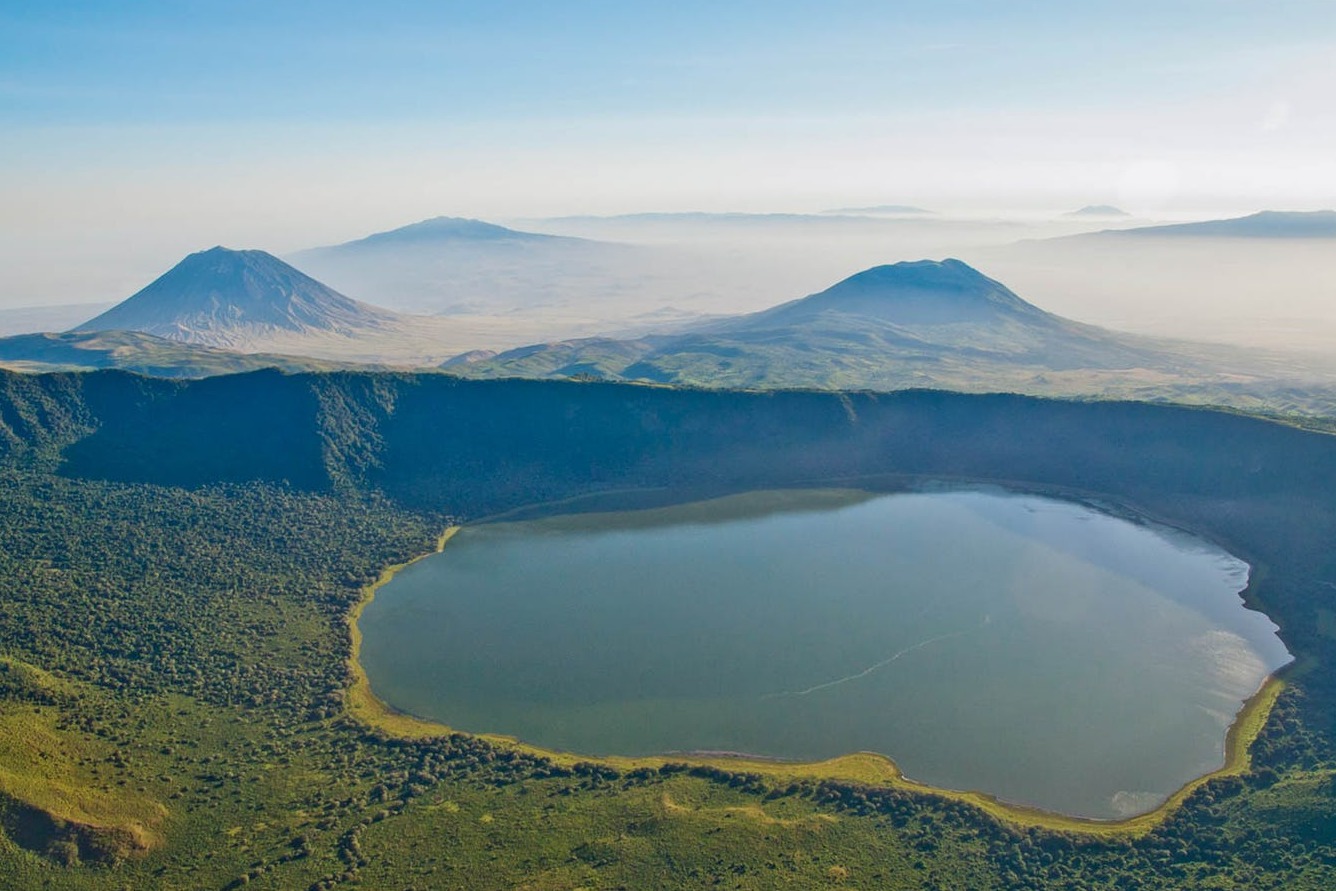

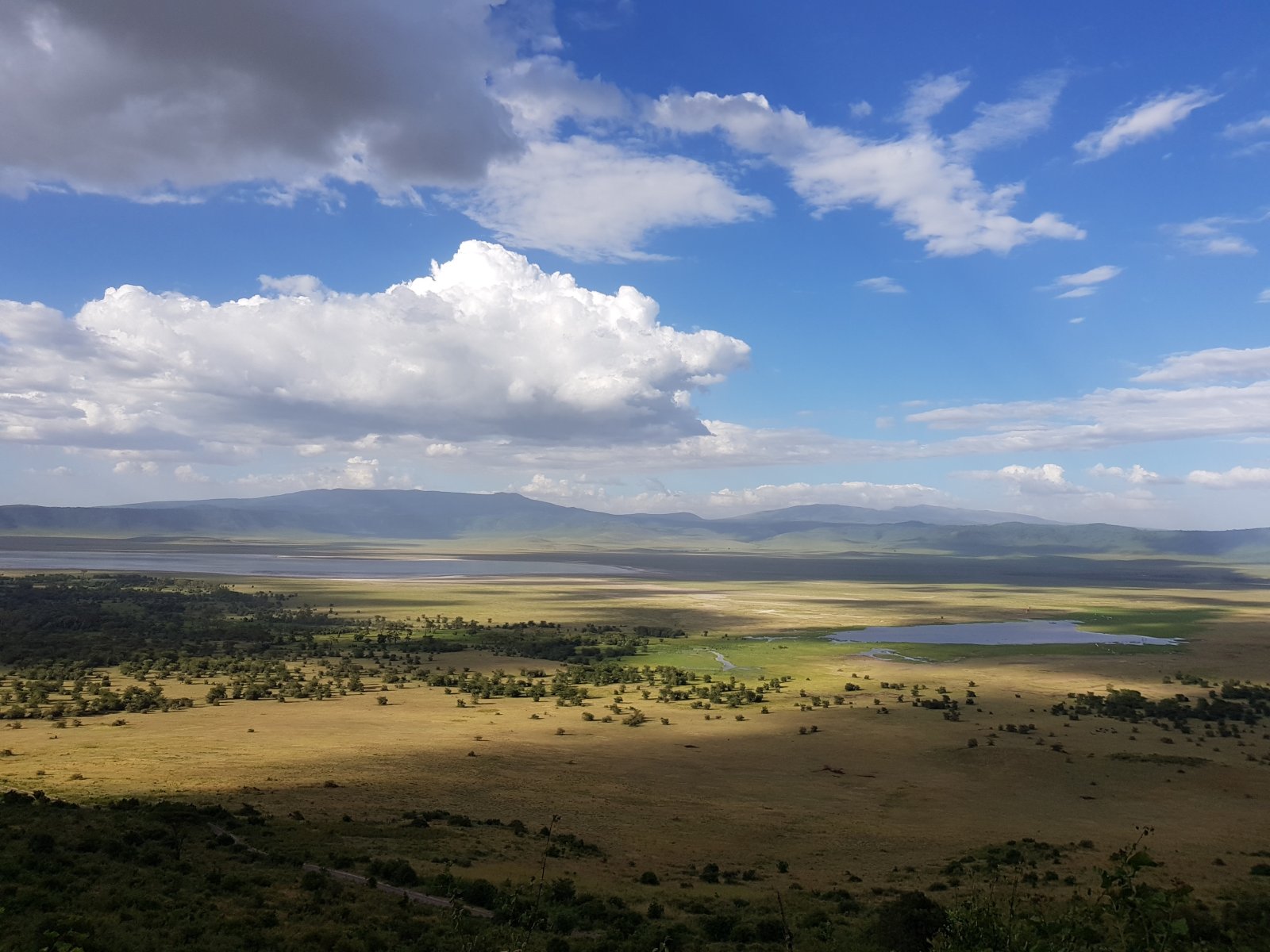
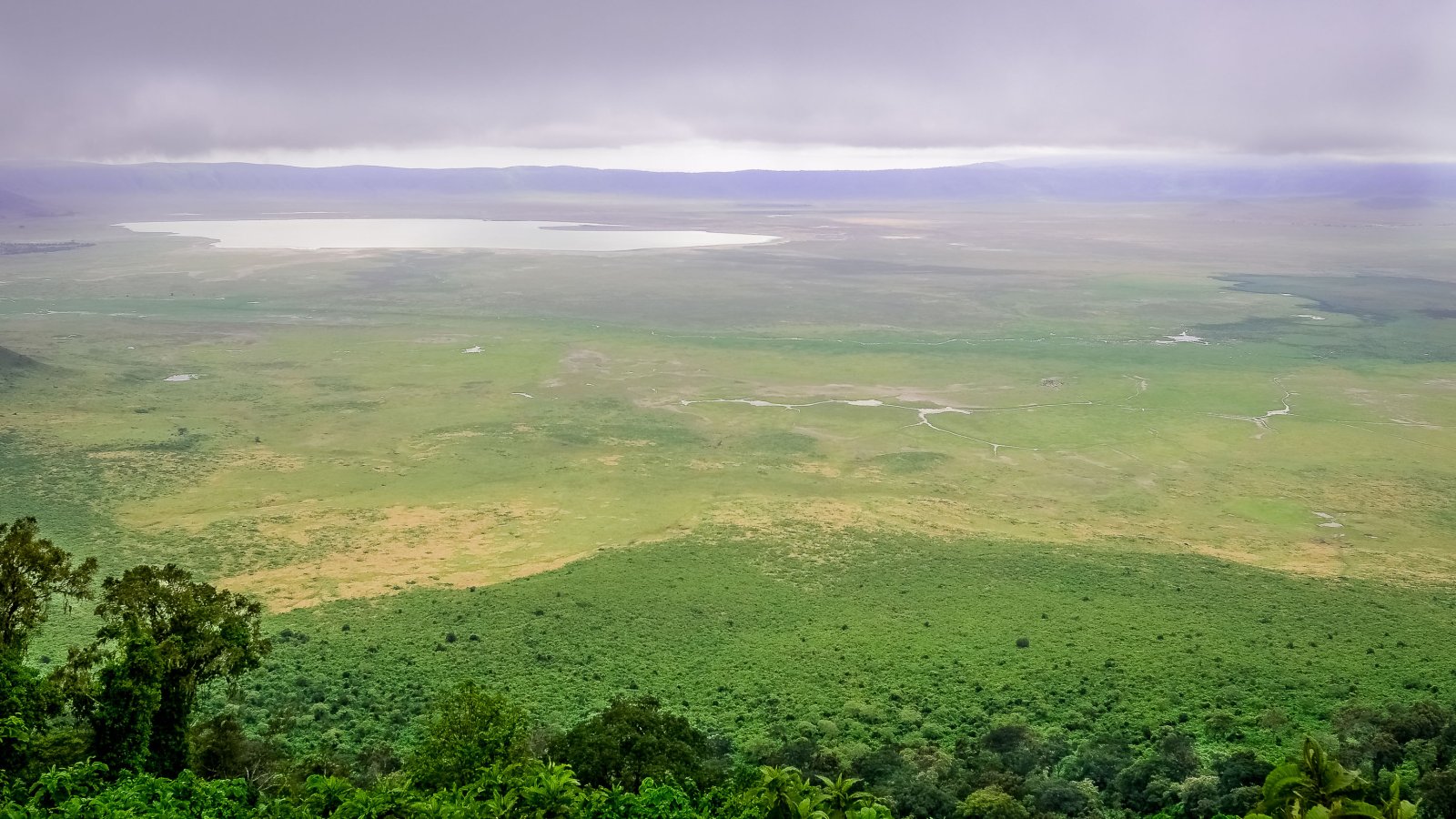
Ngorongoro Crater is an awe-inspiring natural wonder etched into the heart of Tanzania, offering a vivid tableau of life that captivates all who venture into its depths. Formed two to three million years ago when a colossal volcano exploded and collapsed upon itself, the Ngorongoro Crater now stands as the largest unbroken caldera in the world. Spanning an impressive 260 square kilometers and descending 610 meters deep, it is a vibrant ecosystem teeming with life, hosting around 25,000 large animals, including elephants, lions, and the rare black rhinoceros.
The history of the crater is as rich and layered as the soil that sustains its thriving fauna. For centuries, the Maasai people, whose pastoral lifestyle has been intricately linked with the region, have called the area home. Archaeological findings at the nearby Olduvai Gorge, often referred to as the "Cradle of Mankind," reveal that humans have been in the area for millions of years. This site, where pioneering paleoanthropologist Louis Leakey unearthed ancient hominid fossils in the mid-20th century, underscores the deep historical roots of human existence in the region.
While the natural beauty of Ngorongoro is its most striking feature, the cultural tapestry of the area adds depth to its allure. The Maasai, known for their vibrant attire and distinctive beadwork, continue to practice age-old traditions. Visitors often encounter Maasai herders guiding their cattle across the crater's rim, a reminder of the symbiotic relationship between people and land. The Eunoto Ceremony, a rite of passage for young Maasai warriors transitioning to adulthood, is a captivating spectacle of dance, song, and storytelling, offering a glimpse into the community's rich cultural heritage.
In terms of gastronomy, the area offers a taste of traditional Tanzanian flavors, rooted in the hearty staples of the region. Ugali, a maize-based porridge, is a dietary mainstay, often accompanied by nyama choma, or grilled meat, seasoned with aromatic spices. Those seeking a culinary adventure can sample makande, a comforting stew of maize and beans, reflecting the simple yet flavorful cuisine that sustains the local population.
Beyond its well-trodden paths, Ngorongoro Crater harbors lesser-known curiosities that enrich its narrative. The Lerai Forest, a verdant oasis within the crater, is a haven for birdwatchers, sheltering species such as the endemic Jackson’s widowbird. Meanwhile, the shimmering waters of Lake Magadi, a seasonal soda lake on the crater floor, provide a striking backdrop where thousands of flamingos gather, painting the horizon in shades of pink. These hidden gems often escape the notice of hurried tourists, yet they are treasures that reward the patient observer.
For those planning a visit, the optimal time to experience Ngorongoro Crater is during the dry season, from June to October, when wildlife is easiest to spot. Arriving early in the morning increases the chances of witnessing predators in action as they hunt in the cool dawn light. A robust four-wheel drive vehicle is essential for navigating the rough terrain. Visitors should also bring binoculars to enhance their viewing experience and take the time to engage with local guides, whose insights into the area's ecology and culture are invaluable.
Ngorongoro Crater is not merely a geological marvel; it is a living testament to the intricate dance of life and history, a place where the line between past and present blurs. Whether you are drawn by the promise of wildlife encounters, the allure of cultural richness, or the sheer beauty of the landscape, Ngorongoro offers an unmatched journey into one of the world's most extraordinary natural arenas.


