
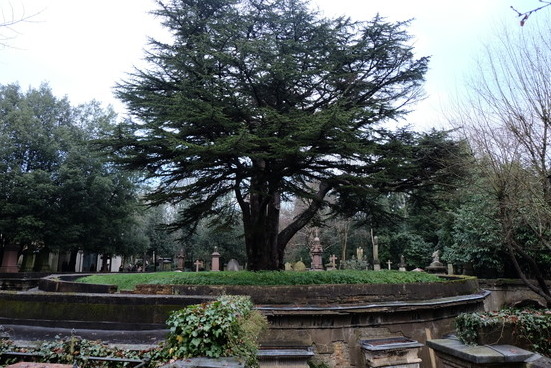

Nestled within the serene confines of Highgate Cemetery in North London, the Circle of Lebanon offers a captivating glimpse into Victorian funerary art and architecture. This enchanting site is not just a resting place for those of the past but a testament to the intricate relationship between nature and memorialization, dominated by the grand Cedar of Lebanon.
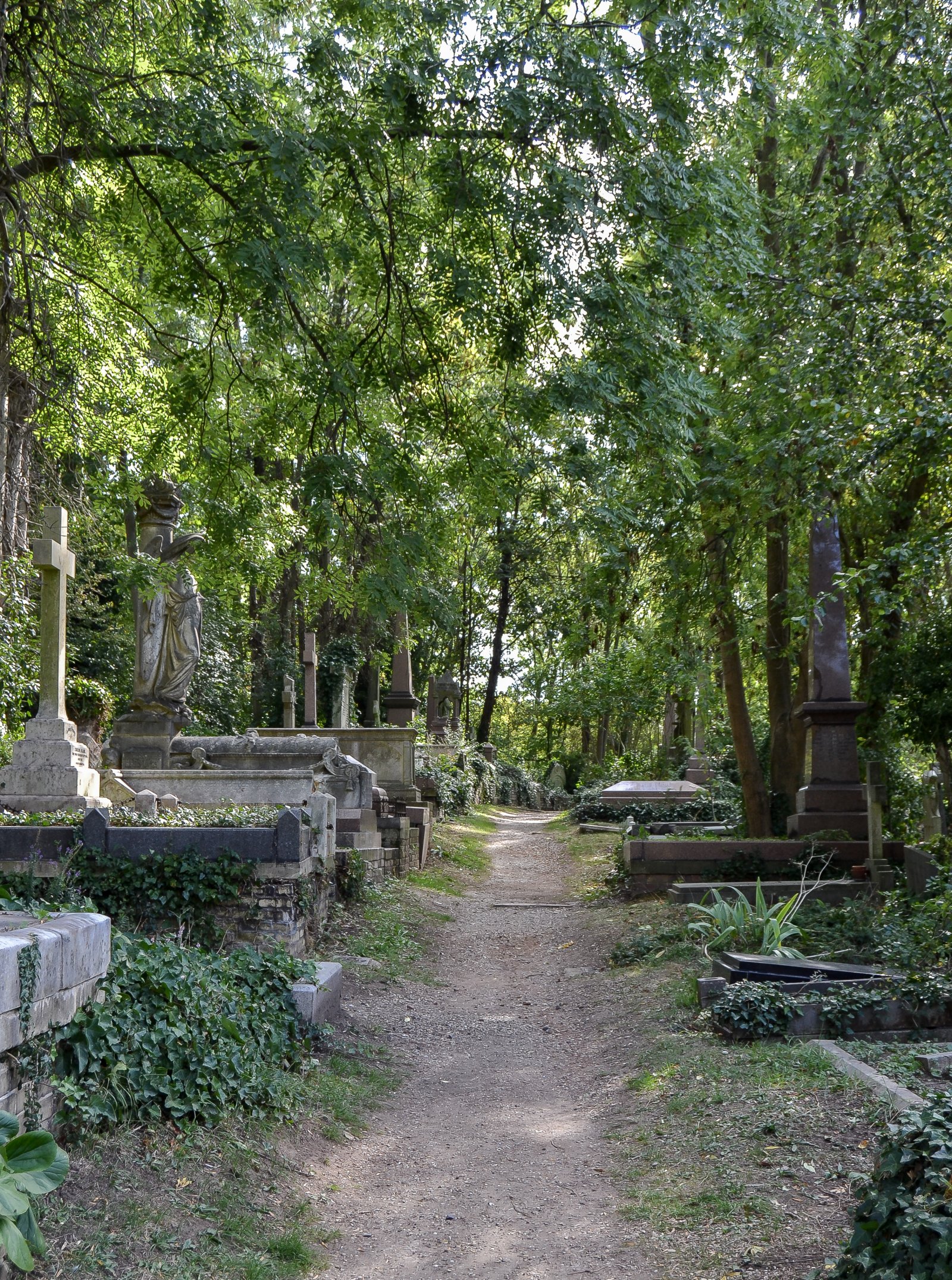
The Circle of Lebanon traces its origins back to the early 19th century when Highgate Cemetery was established in 1839. Part of the "Magnificent Seven"—a series of cemeteries created to address overcrowding in London's churchyards—the cemetery was designed to offer a picturesque and tranquil environment. The Circle itself was carved from a pre-existing gravel pit, with its layout inspired by the grand cedar tree that crowns it, believed to predate the cemetery.
Architecturally, the Circle of Lebanon is a semi-circular arrangement of vaults built into a hillside, designed to mimic the ancient catacombs. The vaults are crafted from Portland stone, adorned with intricately carved details and ironwork that reflect the Gothic Revival style popular in Victorian times. Each vault bears the marks of the craftsmanship of its era, with ornate iron doors and stone facades that bear the names of the families interred within.
The cemetery, and particularly the Circle of Lebanon, holds a deep cultural significance for London. It is home to the graves of some of the city's most notable figures, including Karl Marx, though his tomb lies in a different section. Highgate's design and its notable residents reflect the Victorian preoccupation with death and the afterlife, offering insight into the period's cultural and social history.
A visit to Highgate Cemetery is incomplete without indulging in the local gastronomy of North London. While the cemetery itself does not offer culinary experiences, the surrounding area is rich with eateries offering a taste of British classics. The nearby neighborhoods of Camden and Kentish Town are renowned for their vibrant food scenes, where one can savor traditional dishes like fish and chips or the ever-popular Sunday roast.
Beyond the main attractions, the Circle of Lebanon hides lesser-known stories. Notably, the cedar tree at its heart is a living remnant of the site's natural heritage, believed to be around 300 years old. This majestic tree has witnessed the transformation of the landscape from natural woodland to a meticulously designed resting place.
For those planning a visit, the best time to explore is during the warmer months of spring and summer when the cemetery's lush foliage is in full bloom. Guided tours are available, offering an in-depth view of the cemetery’s history and its most famous residents. It's advisable to wear comfortable walking shoes, as the terrain can be uneven, and to respect the tranquility of the site by speaking softly and adhering to the cemetery rules.
The Circle of Lebanon at Highgate Cemetery is not merely a place of rest but a historical narrative etched into the landscape of London. Its majestic architecture, intertwined with nature, and the stories of those interred within make it a unique cultural landmark. The site offers visitors a profound journey through time, reflecting the city's rich heritage and the legacy of those who shaped it.


