
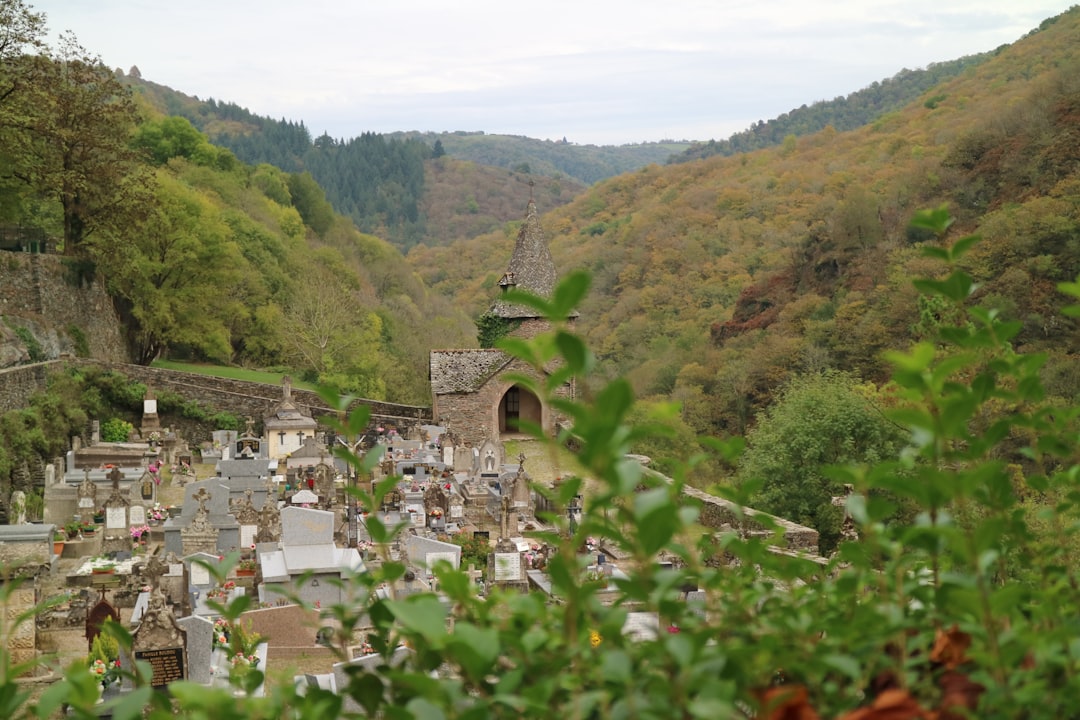

Stone by stone, cross by cross: walking among the gravestones of the Noraduz cemetery means immersing oneself in a stone alphabet that Armenians have written for centuries. Here, in the small locality of Noratus on the shores of Lake Sevan, lies the largest surviving field of medieval khachkars in the world — over 900 stone-carved crosses that rise among the tall grass, leaning from time, worn by the wind, yet extraordinarily legible in their geometric and floral interweavings.
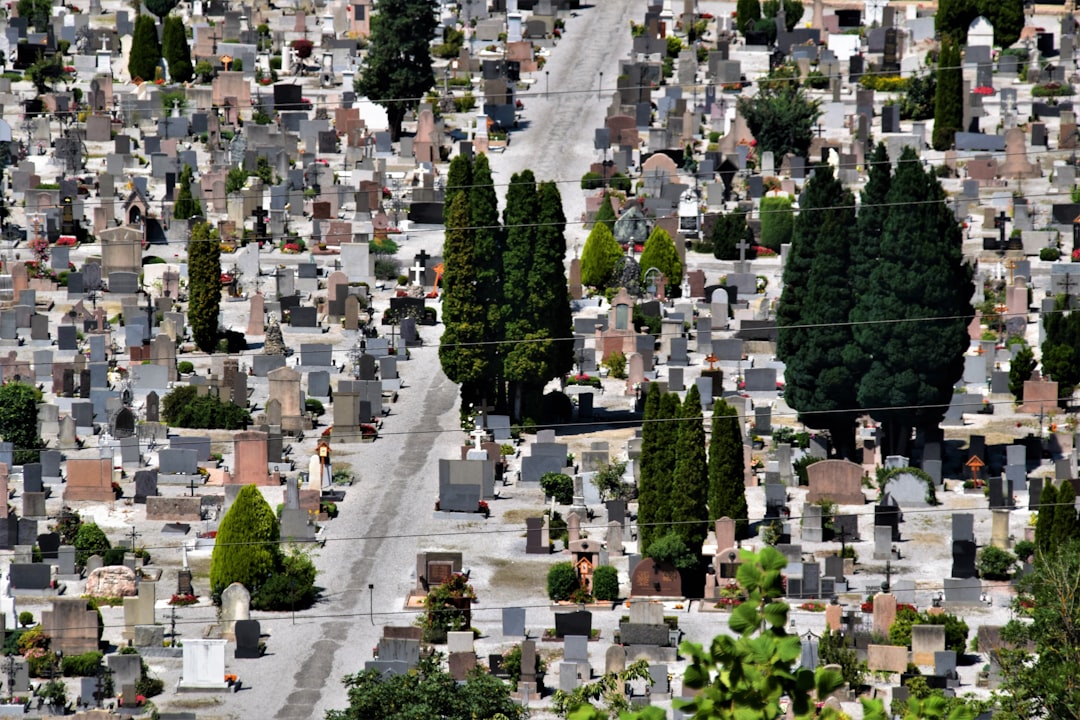
The khachkar — an Armenian term that combines khach (cross) and kar (stone) — are not just simple gravestones. Each stele is an individual work of art, hand-carved by specialized artisans called vardapet, with designs that vary from the 10th to the 17th century. No khachkar is identical to another: each bears a unique visual signature, a network of vines, stars, rosettes, and nested crosses that reflects the skill of its creator and the era in which it was made. Strolling among them is like flipping through a catalog of Armenian artistic styles spanning seven centuries.
A heritage that has survived the centuries
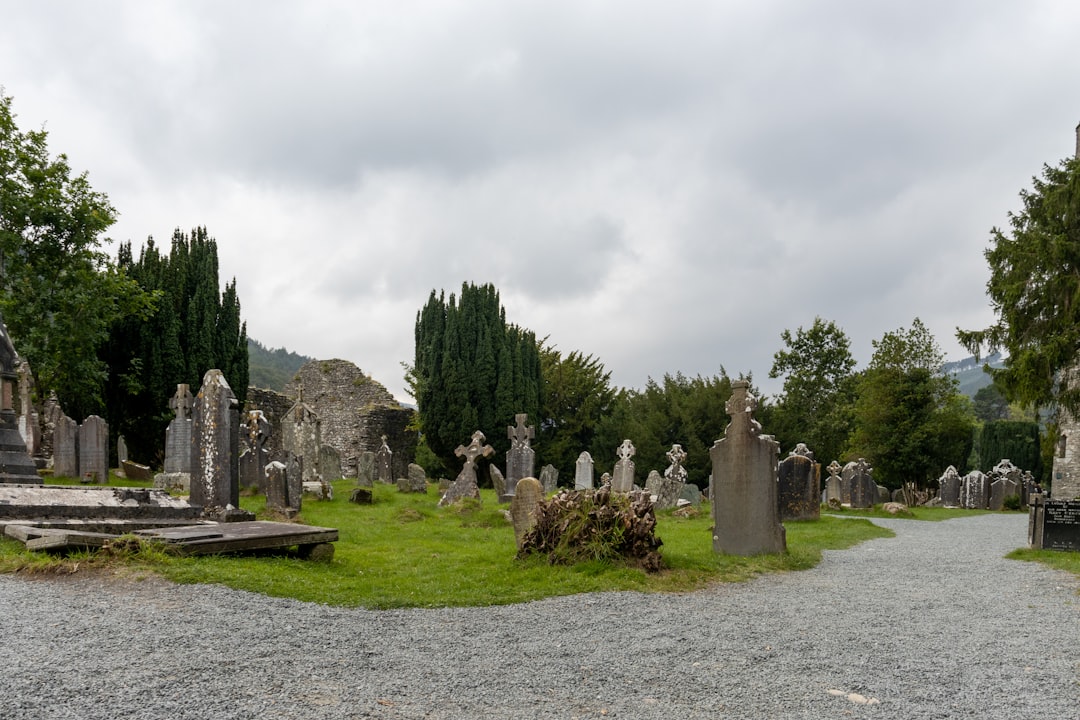
The cemetery of Noraduz has survived invasions, earthquakes, and the time when other similar sites in Armenia and the region have been destroyed or dispersed. What makes this place particularly valuable in the eyes of art historians is its integrity: the steles are still in their original context, arranged as they were placed by the patrons and artisans over the centuries. Some bear inscriptions in classical Armenian — the grabar — that identify the deceased, the family, or the donor who financed the creation of the cross.
The oldest khachkars date back to the 10th century, while the most recent belong to the 17th century. Among these, one can observe the stylistic evolution of Armenian art: the oldest crosses tend to have more austere and geometric compositions, while the late medieval ones show an increasing decorative density, with surfaces almost entirely covered by intertwined patterns reminiscent of stone lace. Some experts compare the complexity of these bas-reliefs to that of Armenian illuminated manuscripts of the same period.
The landscape: where history meets the lake
The location of the cemetery amplifies its visual strength. The Sevan Lake, one of the largest high-altitude lakes in Europe with an area of about 1,240 square kilometers and an altitude of about 1,900 meters above sea level, serves as a backdrop to the steles. On clear days, the deep blue of the water contrasts with the dark gray of the basalt and tuff of the crosses, creating a chromatic effect that no photograph can fully capture. The wind descending from the surrounding mountains stirs the grass among the stones, giving the place a sense of almost organic movement.
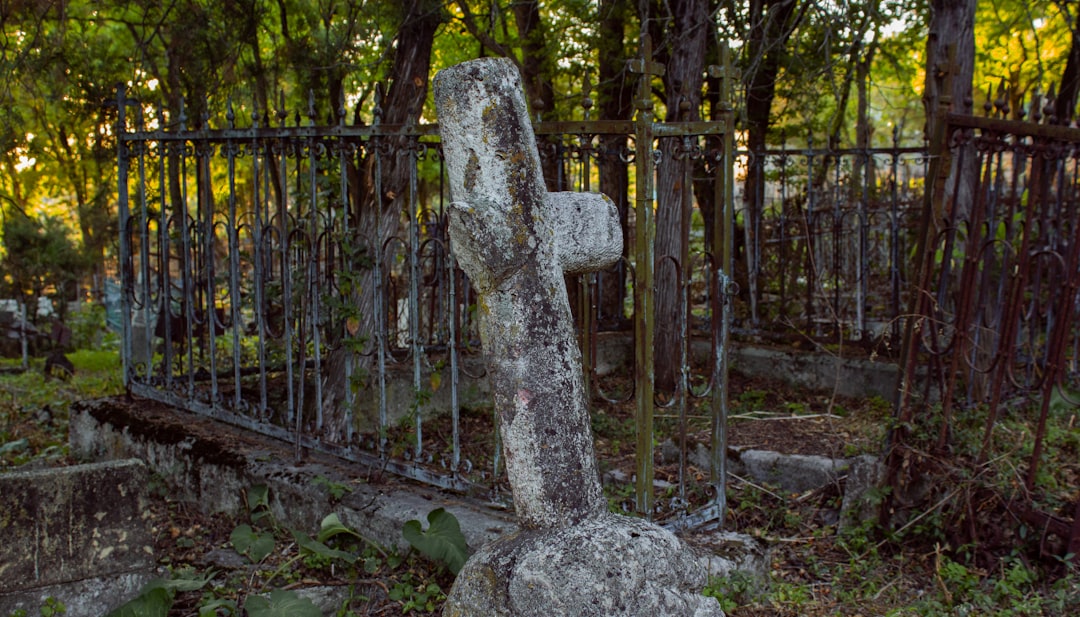
Many of the steles are tilted at various angles, some almost horizontal, others straightened in recent times during conservation efforts. This irregularity is not a defect: it is the physical proof of the passage of time, and it contributes to making the cemetery an authentic landscape rather than an artificially restored open-air museum. Taking the time to walk slowly among the rows is essential: the richness of the details requires a close-up look.
How to visit Noraduz
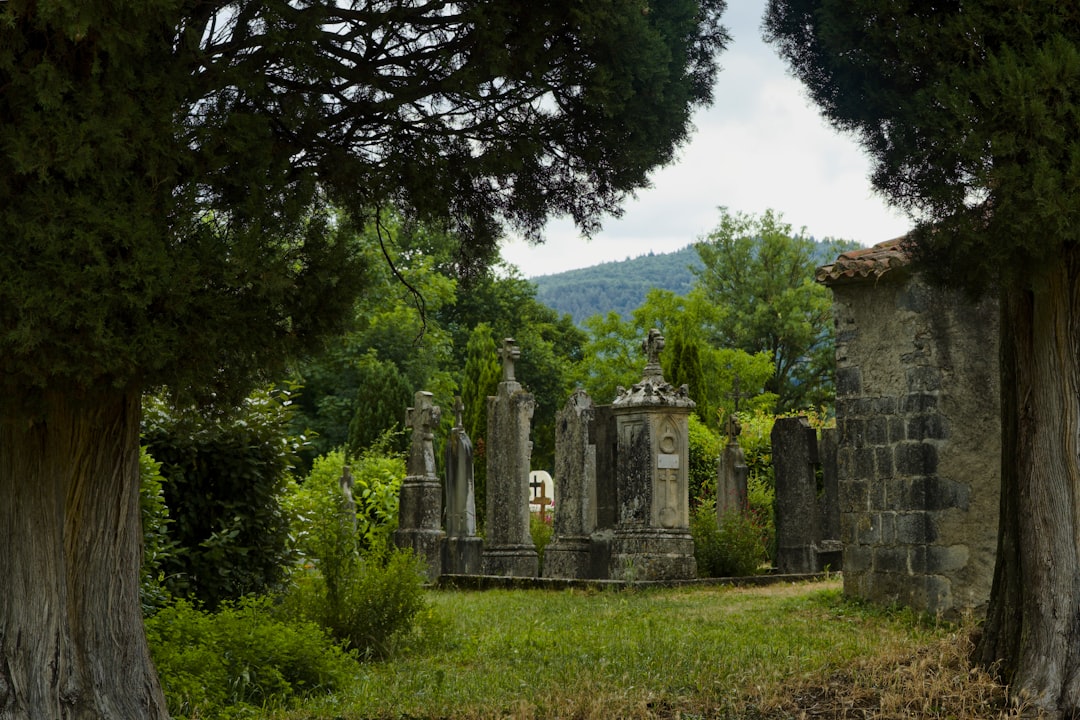
The cemetery is located a few kilometers from the center of Noratus, accessible by car from Yerevan in about two hours along the road that runs alongside Lake Sevan to the northeast. There is no formal entrance ticket for the site, which is freely accessible, although it is always advisable to check local conditions at the time of the visit. The access road to the cemetery is unpaved and can be difficult for low-powered vehicles after rain.
The best time to visit is early in the morning, when the slanting light of the sun highlights the bas-reliefs of the crosses with almost theatrical precision — shadows creep into the grooves of the engravings and reveal details that disappear in the flat light at noon. It is advisable to allow at least an hour and a half for the visit for those who really want to observe the stylistic differences between the various eras. Wearing suitable shoes for walking on uneven terrain is essential. There are no dining facilities nearby, so it is helpful to plan ahead with water and food if a prolonged stop is planned.
Why the trip is worth it
Noraduz is not a place that reveals itself immediately. It requires attention, slowness, and a certain willingness to let the stone speak. There are no widespread explanatory panels, no audio guides, no souvenirs. There is only the field, the wind, the lake, and those over 900 crosses that the Armenians have carved to remember their dead and, perhaps unknowingly, to pass down to future centuries one of the most refined artistic traditions of medieval Caucasus. Those who arrive here with the right state of mind depart with something difficult to name, but impossible to forget.


