



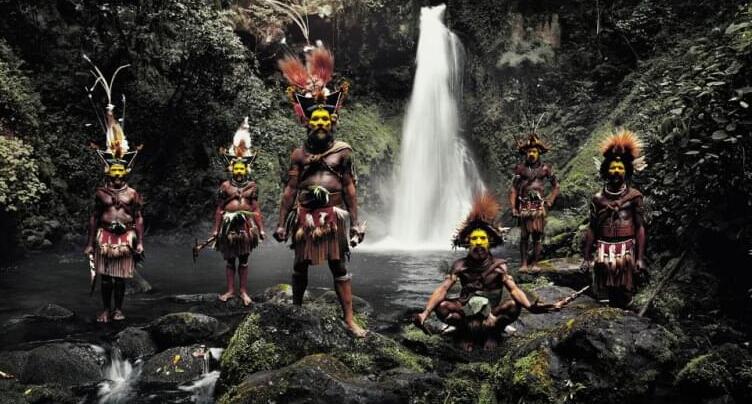
Nestled in the Indian Ocean, the enigmatic North Sentinel Island is a living testament to humanity's diverse tapestry. This remote island, part of the Andaman Islands archipelago, is home to the Sentinelese, one of the last uncontacted tribes in the world. Their isolation, coupled with the island's breathtaking beauty, makes North Sentinel both alluring and formidable.
History and Origins
The history of North Sentinel is shrouded in mystery, primarily due to the tribe's refusal of outside contact. Anthropologists believe that the Sentinelese have inhabited the island for at least 60,000 years, making them one of the oldest continuous populations in the world. The island itself was recognized by the British during their colonial pursuits in the late 19th century, but efforts to establish contact were met with violence. In 1961, the Indian government declared North Sentinel and its inhabitants a protected area, prohibiting any interaction to safeguard their way of life. This decision was crucial in preserving their culture, untouched by modern civilization.
Art and Architecture
Despite their isolation, the Sentinelese possess a rich cultural heritage, evident in their craftsmanship and tools. They are known for their skillful use of materials found on the island, crafting hunting weapons such as bows and arrows from local wood. While there are no monumental structures or traditional architectural styles akin to other cultures, their huts, made from palm leaves and branches, reflect an intricate understanding of their environment. The artistic significance lies not in grandiosity but in their functional creations, which resonate with the tribe's sustainable lifestyle and deep connection to the land.
Local Culture and Traditions
The Sentinelese lead a life steeped in tradition and ritual. They are primarily hunter-gatherers, relying on fishing and foraging for sustenance. Their customs remain largely undocumented, but it is understood that they have a complex social structure and engage in communal activities, likely including dance and ritualistic celebrations that honor their way of life. The island itself, with its lush vegetation and surrounding waters, is integral to their spirituality, often serving as a backdrop for their daily activities and beliefs.
One notable aspect of their culture is their response to outsiders. The Sentinelese have consistently demonstrated a fierce protectiveness over their territory, using bows and arrows to ward off intruders. This hostility reflects a profound desire to maintain their way of life, untouched by the influences of the outside world.
Gastronomy
While much about the Sentinelese diet remains speculative, it is believed that they consume a variety of foods sourced directly from their natural surroundings. Their diet likely includes fish, crabs, and wild fruits, all harvested from the bountiful waters and rich vegetation of North Sentinel. The tribe has adapted to their environment, utilizing fishing techniques that have been passed down through generations. Their culinary practices are a reflection of their deep knowledge of the island's ecosystem, showcasing their resourcefulness and adaptability.
Lesser-Known Curiosities
One of the most surprising details about North Sentinel is the tribe's unyielding resistance to modernity. Despite numerous attempts at contact, including a controversial mission in 2006 by a group of researchers, the Sentinelese have maintained their isolation. This has led to fascinating stories about their interactions with outsiders, including the infamous incident where two fishermen were killed in 2006 after straying too close to the island.
Another intriguing fact is that they have been observed using fire, but the methods they employ to create it remain a mystery. Speculation abounds about their techniques, with theories ranging from traditional friction methods to the use of naturally ignited materials. This lack of knowledge only adds to the allure of the Sentinelese and their uncharted world.
Practical Visitor Information
Due to the Indian government’s regulations, visiting North Sentinel is strictly prohibited. The best time to explore the surrounding Andaman Islands is between October and May, when the weather is more favorable for travel. While you cannot visit North Sentinel, the nearby islands offer stunning beaches, rich marine life, and opportunities for eco-tourism.
For those yearning to experience the natural beauty of the Andaman archipelago, consider visiting Havelock Island or Neil Island, where you can enjoy pristine beaches and vibrant coral reefs. Always remember to respect local customs and environmental guidelines, as the Andaman Islands are home to various indigenous communities.
In the end, while the allure of North Sentinel remains tantalizingly out of reach, planning your journey through the Andaman Islands can still offer rich experiences. For a tailored journey into this captivating region, consider utilizing the Secret World app to craft your perfect itinerary.
