
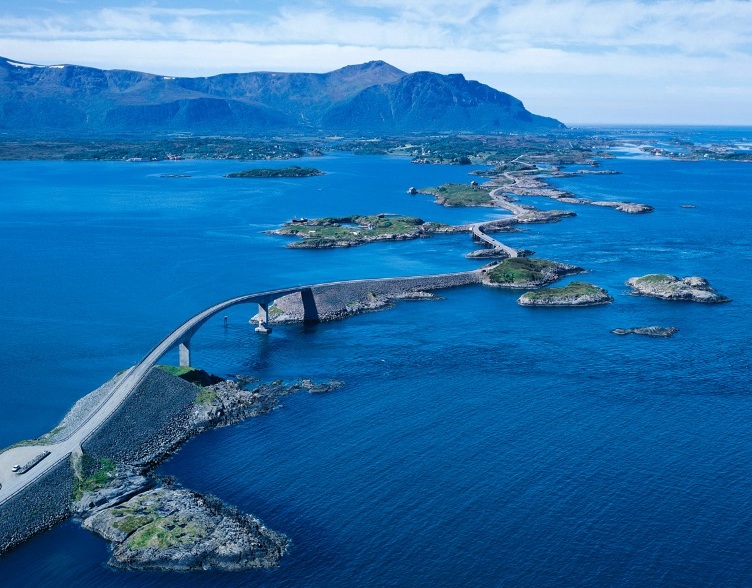

There are few roads in the world that can claim to be a symphony of nature and engineering, but the Atlantic Ocean Road in Norway is exactly that. Stretching nearly 8 kilometers across a chain of islands between Molde and Kristiansund, this architectural marvel offers a sensory journey through one of the most breathtaking landscapes in Scandinavia. Built in 1989, the road dances with the sea and sky, a testament to human ingenuity and nature's raw power.
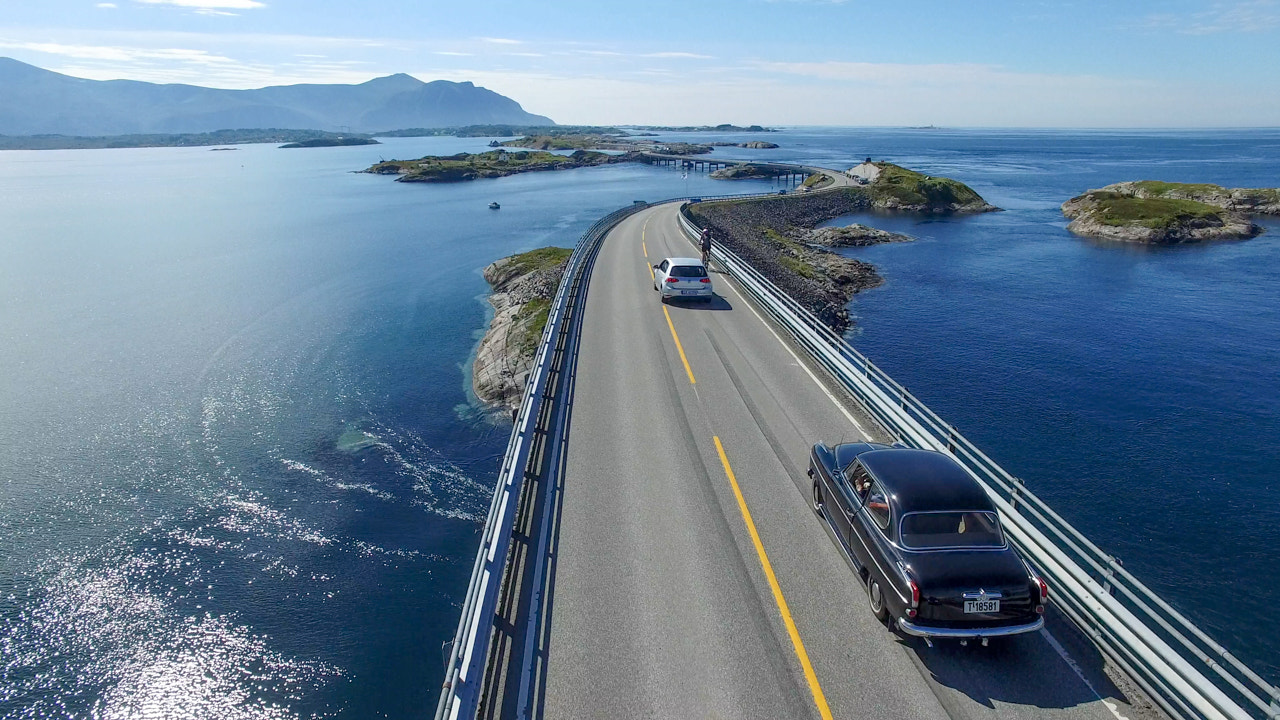
The history of the Atlantic Ocean Road is as tumultuous as the waters it traverses. While the modern road was completed in 1989, the idea of connecting these islands dates back to the early 20th century. Initial proposals were for a railway, but financial and logistical challenges shelved the plan. It wasn't until the 1970s that discussions about a road began to gain traction, motivated by the need to improve connectivity for local communities. Construction started in 1983, battling the region's infamous weather, which included 12 hurricanes. The resilience of the builders is mirrored in the road's design, which gracefully navigates the rugged terrain and fierce elements.
Architecturally, the Atlantic Ocean Road is a masterpiece of modern engineering. Its eight bridges, including the iconic Storseisundet Bridge, are marvels of design, each with a unique curvature that seems to leap into the horizon. This road is not just a means of travel; it is an immersive experience. The seamless integration of the road with its environment makes it appear as though it naturally belongs there, a sinuous extension of the land itself.
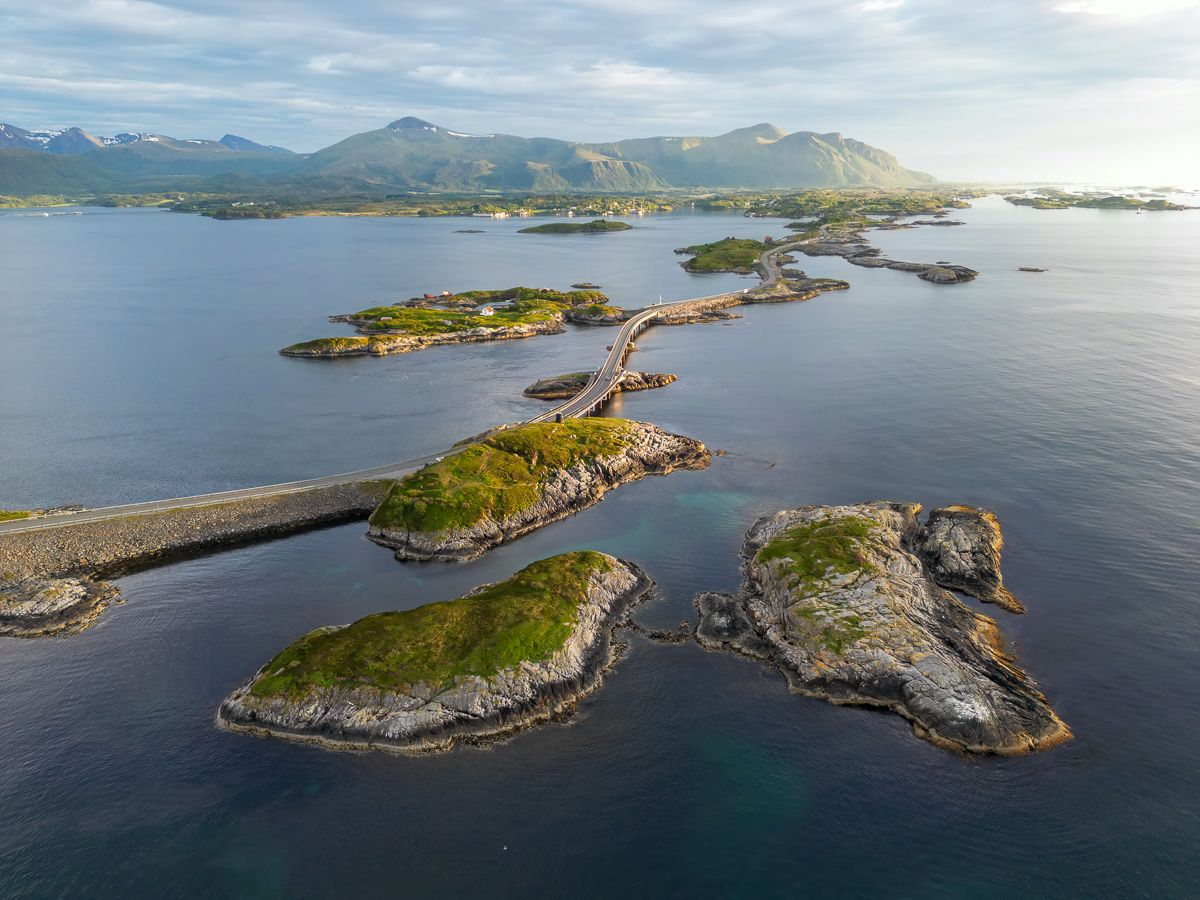
Culturally, the road is steeped in local tradition. The communities along the route celebrate their connection to the sea with vigor. One of the most notable events is the annual Atlantic Road Race, a thrilling car rally that attracts enthusiasts from around the world. The sea is central to life here, and local customs reflect a profound respect for its might. Stories of ancient sea gods and legends of daring fishermen are woven into the fabric of everyday life, providing a deep cultural backdrop to the journey.
No visit to the Atlantic Ocean Road is complete without indulging in the local gastronomy. The region is known for its fresh seafood, with specialties like klippfisk (dried and salted cod) and bacalao being staples. These dishes have been perfected over centuries, influenced by both local tradition and international trade routes. Pair these with a glass of aquavit, a traditional Norwegian spirit, and you have a meal that is as authentic as it is delicious.
For those keen on uncovering lesser-known curiosities, the road is full of surprises. One such gem is the Kvernes Stave Church, a short detour from the main path. This 14th-century wooden church is a stunning example of Norway's medieval architecture, offering insights into the region's historical and religious heritage. Another hidden treasure is the Eldhusøya, an islet with a raised walking path providing panoramic views, often missed by those rushing through.
Visitors seeking practical advice should note that the best time to visit is during late spring to early autumn, when the weather is relatively mild, and the daylight lingers long into the evening. However, for those willing to brave the elements, a winter journey offers the chance to witness the road under the spell of the Northern Lights, a truly magical experience. It's wise to check weather conditions before traveling, as the road can be perilous during storms.
In essence, the Atlantic Ocean Road is not merely a route from point A to point B; it is a destination in itself. Its blend of history, art, culture, and nature offers a journey like no other, a reminder of the delicate dance between human ambition and the natural world. Whether you're an adventure seeker, a culture enthusiast, or a culinary explorer, this road promises an unforgettable experience at every turn.


