
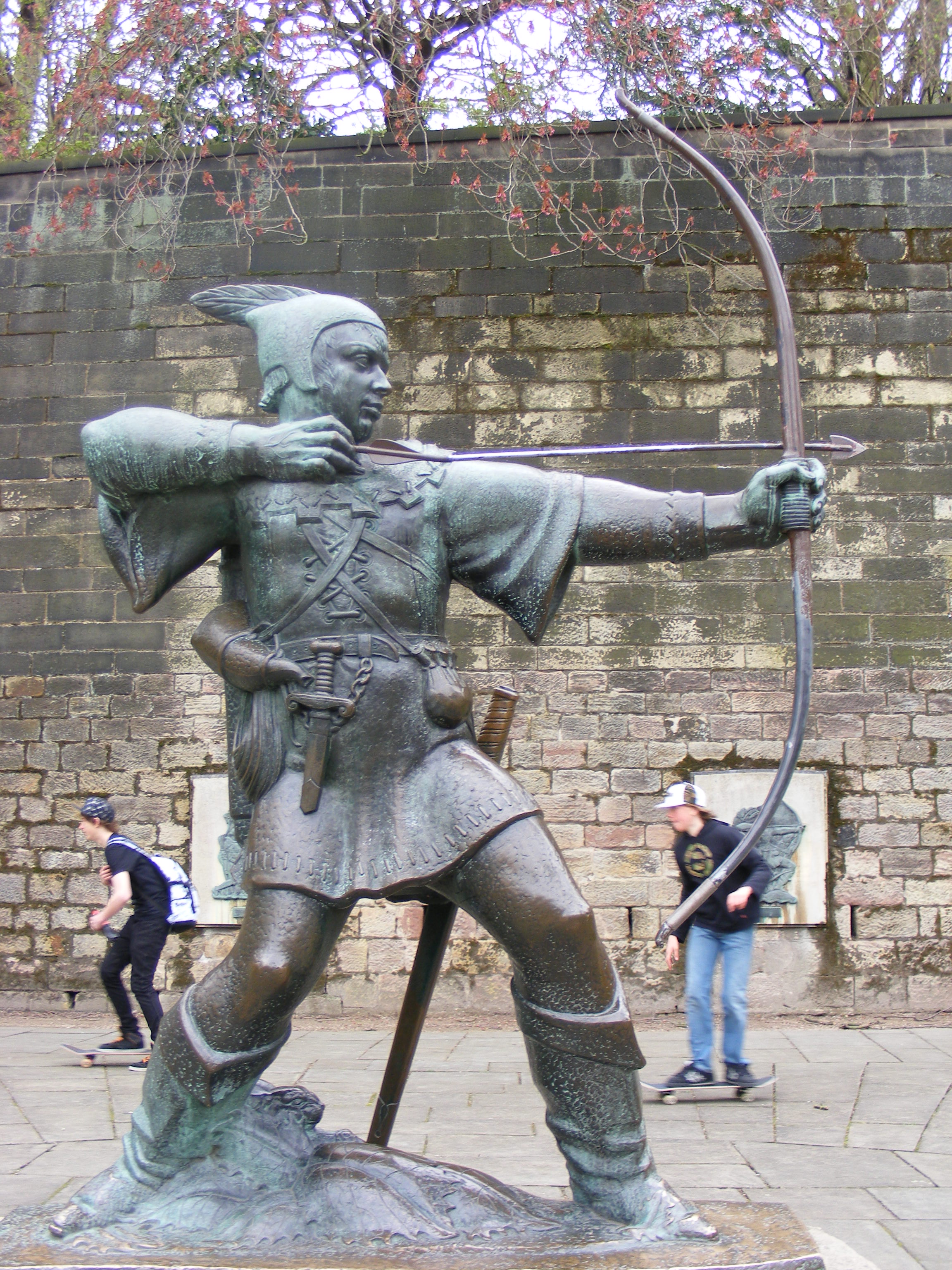

In the heart of Nottingham, a city steeped in lore and legend, stands a bronze sentinel that captures the imagination of visitors from around the globe. The Robin Hood statue, poised with bow in hand, is a tribute not only to the mythical outlaw but to the enduring spirit of English folklore that has transcended generations.
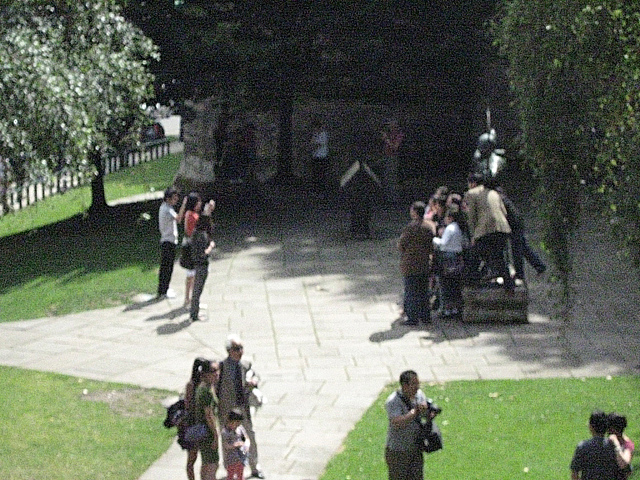
The origins of the Robin Hood legend date back to medieval England, with the earliest literary references appearing in the 14th century. Rooted in the rich history of Nottinghamshire, the tales of Robin Hood, the noble outlaw who "stole from the rich to give to the poor," have been etched into the cultural fabric of the region. Located near the historic Nottingham Castle, the statue commemorates this iconic figure and his band of Merry Men, who are said to have roamed the nearby Sherwood Forest.
Sculpted by James Woodford RA, an esteemed artist and former student of the Nottingham School of Art, the statue was unveiled in 1952. It was cast by the renowned Morris Singer Foundry, known for creating some of the most significant sculptures of the 20th century. The statue's design is a testament to Woodford's skill, capturing Robin Hood in a dynamic pose, his bow drawn as if ready to defend the downtrodden once more. The attention to detail is remarkable, from the tension in the bowstring to the determined expression on Robin's face.
The artistic significance of the statue extends beyond its visual appeal. It serves as a cultural landmark, symbolizing justice and bravery. Nottingham itself is a city that celebrates its artistic heritage, with the statue being a focal point for both locals and tourists. The area around the statue often hosts lively reenactments and events that bring the legend to life, connecting the past with the present in a vibrant display of local culture.
Nottingham's local culture and traditions are deeply intertwined with the legend of Robin Hood. The city celebrates its heritage with the annual Robin Hood Festival, held in August in Sherwood Forest. This festival immerses visitors in medieval times with jousting tournaments, archery contests, and costumed characters who narrate tales of the legendary hero. The festival is a testament to Nottingham's dedication to preserving and celebrating its unique history.
When it comes to gastronomy, Nottingham offers a taste of traditional English fare with a modern twist. Visitors should try the Nottinghamshire pie, a hearty dish filled with pork, chicken, and stuffing, encased in a crisp pastry shell. Pair it with a pint of local ale, such as those brewed by the Nottingham Brewery, to complete the experience. For those with a sweet tooth, a slice of Bakewell tart, originating from nearby Derbyshire, is a must-try dessert.
Beyond the well-trodden paths lie some lesser-known curiosities that add depth to the Robin Hood narrative. A few steps from the statue, visitors can explore the Robin Hood Experience, a quirky museum that delves into the folklore with interactive exhibits and historical artifacts. Another hidden gem is the City of Caves, a network of sandstone caves beneath the city that have been used for centuries as dwellings, storage, and even as hiding places, adding a layer of mystery to Nottingham's past.
For those planning a visit, the best time to see the Robin Hood statue is during the spring or late summer. These seasons offer mild weather, making it ideal for exploring the surrounding attractions. Arriving early in the morning or later in the afternoon allows for a more intimate experience, avoiding the midday crowds. As you stand before the statue, take a moment to admire not just the craftsmanship but the enduring legacy of a hero who, whether fact or fiction, continues to inspire.
In Nottingham, the Robin Hood statue is more than a mere monument; it is a symbol of the city's rich tapestry of history, art, and culture. Whether you're drawn by the allure of the legend or the beauty of the craftsmanship, a visit to this iconic landmark offers a glimpse into a world where myth and reality intertwine.


