
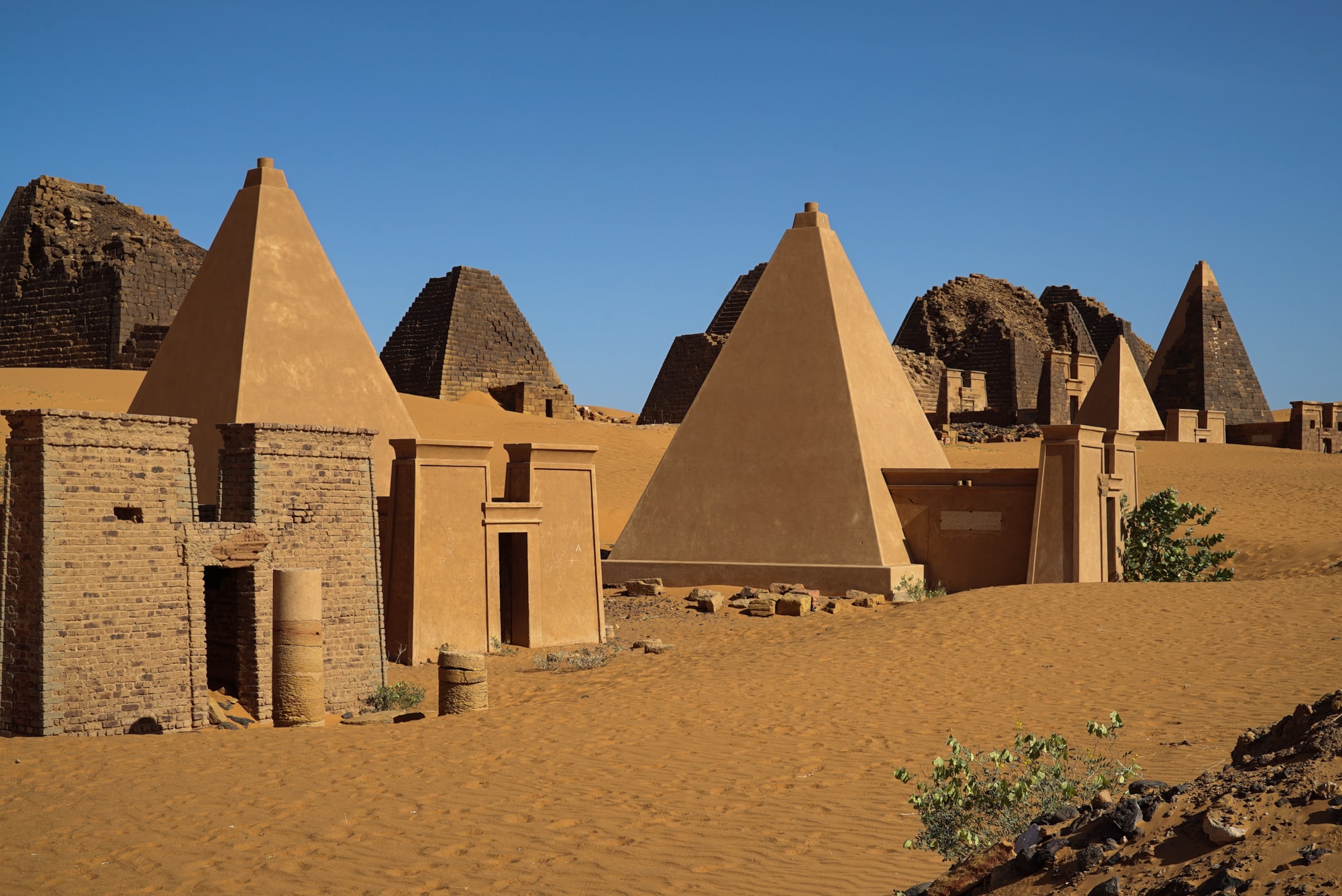

In the heart of Sudan, the Nubian Pyramids stand as silent sentinels of a once-great civilization, their silhouettes cutting a dramatic figure against the golden sands of the Nubian Desert. Unlike the more famous pyramids of Giza, these architectural marvels are lesser known but equally fascinating, offering a glimpse into the rich cultural tapestry of the ancient Kingdom of Kush. Built between 800 BC and 300 AD, these pyramids served as the final resting places for the kings and queens of Napata and Meroë, two influential cities that were the epicenters of the Kushite empire.
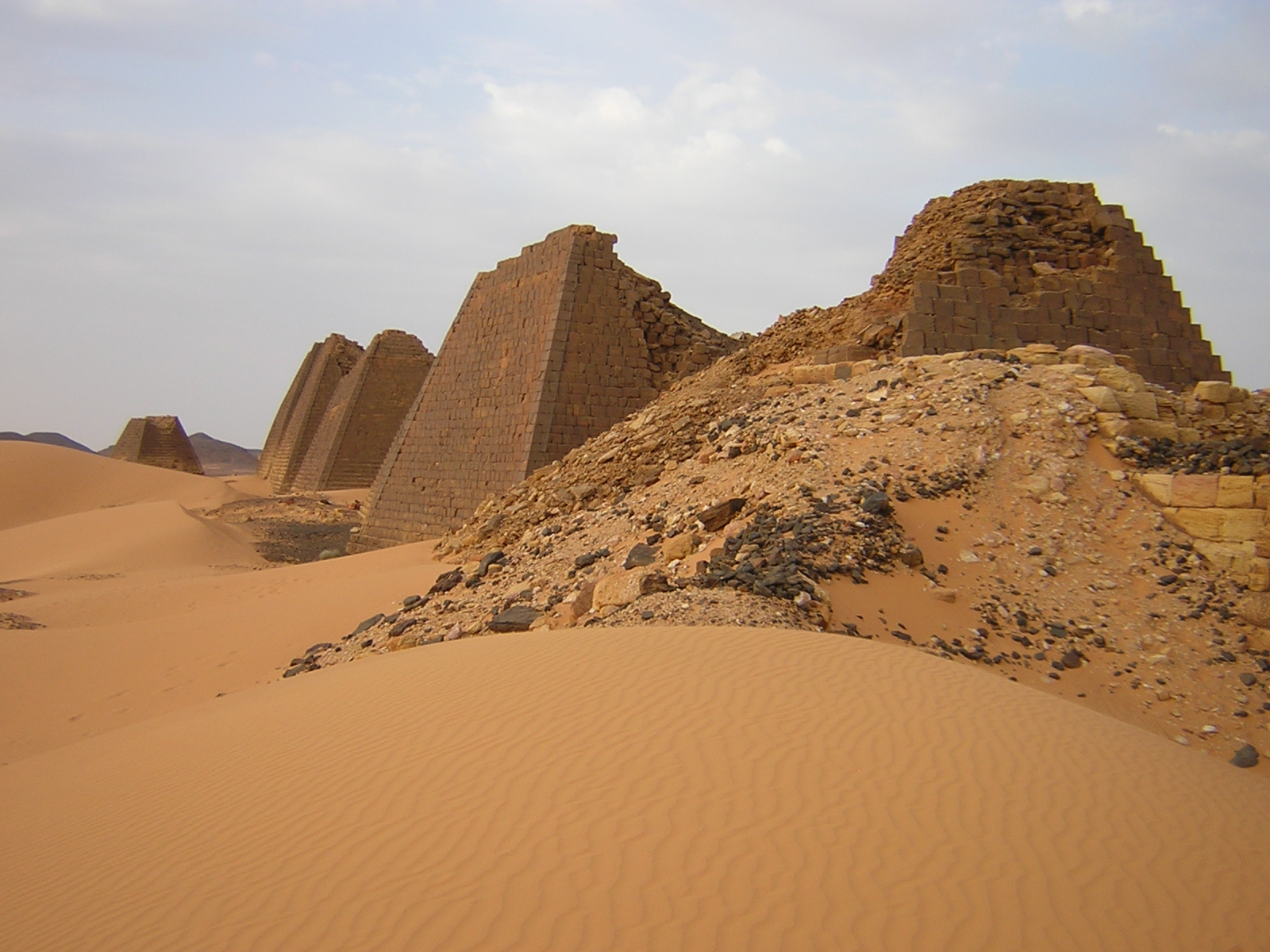
The story of the Nubian Pyramids begins with the rise of the Kingdom of Kush, a powerful African kingdom that at various times rivaled Egypt in wealth and influence. The kingdom's rulers, known for their warrior prowess and diplomatic acumen, adopted the pyramid-building traditions of their northern neighbors. Yet, they reimagined this architectural form with unique stylistic elements. The pyramids at El-Kurru, Nuri, and Meroë were constructed with steep angles and smaller bases, differing significantly from the sprawling Egyptian pyramids. These structures, numbering over 255, reflect the Nubians' distinct cultural identity and their desire to align themselves with the divine.
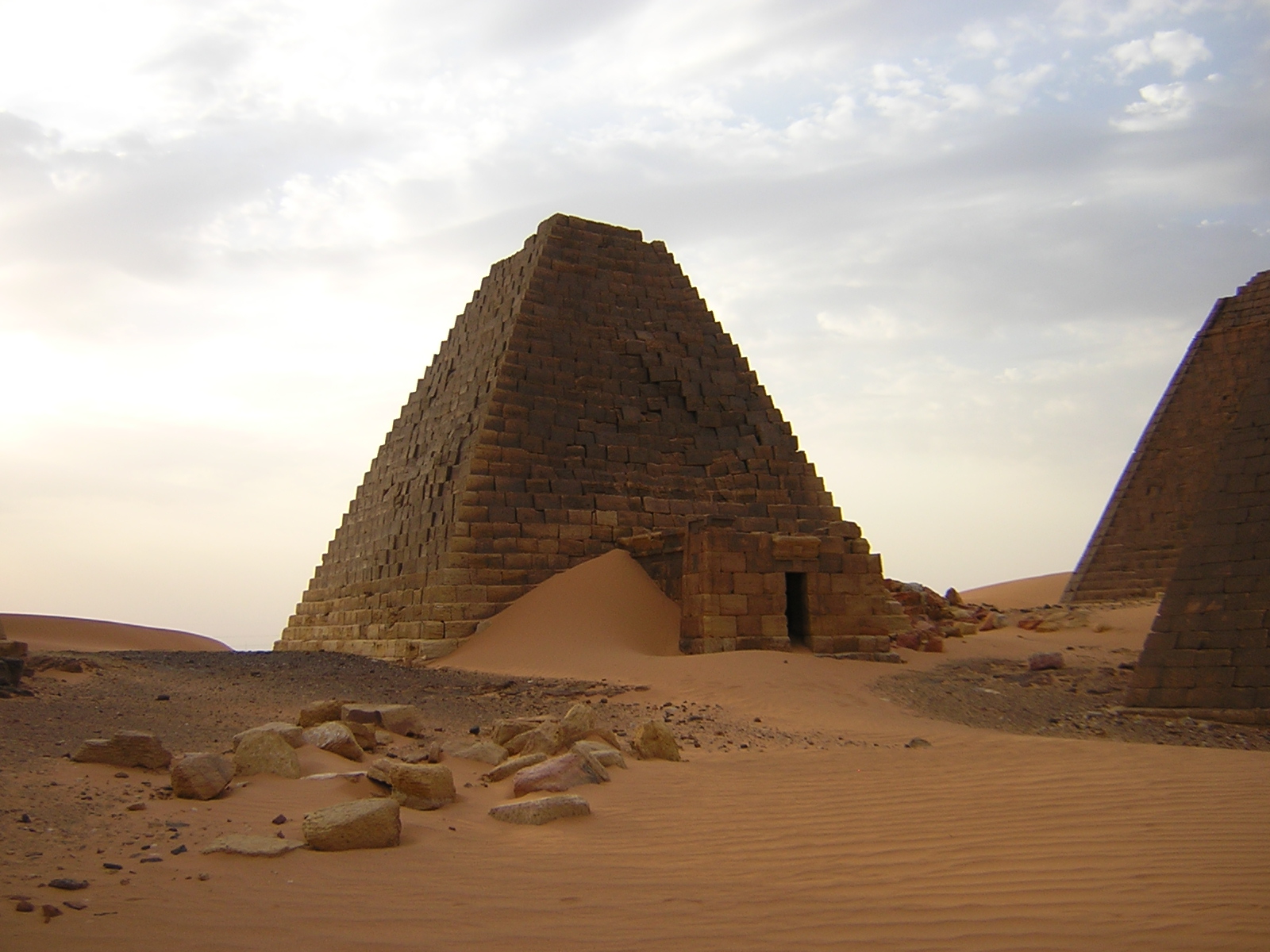
The architecture of the Nubian pyramids is notable for its elegant simplicity and precise craftsmanship. The stones used in construction were often cut from local quarries and assembled with meticulous care. The interiors of these pyramids housed elaborately decorated tombs, with walls adorned in vivid frescoes depicting scenes of royal life, religious rituals, and mythological iconography. The burial chambers often contained treasures such as gold jewelry, pottery, and furniture, intended to accompany the deceased into the afterlife. These artistic elements highlight the fusion of Egyptian and indigenous African influences, creating a unique aesthetic that is both captivating and historically significant.
In terms of local culture and traditions, the Kushites were known for their vibrant social life, where music and dance played central roles. Festivals such as the annual Festival of Amun celebrated the god revered as the king of the gods in the Kushite pantheon. These events were marked by public processions, offerings, and communal feasting, reflecting the community's deep spiritual connection and their devotion to their deities. Today, remnants of these traditions continue to influence the cultural practices of modern Nubian communities.
The gastronomy of the region offers a tantalizing taste of Nubian heritage. Local dishes such as kisra, a type of flatbread made from fermented sorghum, and ful medames, a hearty stew of fava beans, are staples in the traditional diet. These foods are often accompanied by hibiscus tea, known locally as karkadeh, a refreshing beverage with a tart flavor that is perfect for quenching thirst in the desert heat. The cuisine is characterized by the use of spices and herbs, which reflect the region’s rich agricultural history.
Despite their historical importance, the Nubian pyramids are still shrouded in lesser-known curiosities. For instance, the pyramid of Queen Shanakdakhete at Meroë is one of the earliest known examples of a ruling queen in African history, illustrating the prominent role women played in Kushite society. Another fascinating aspect is the use of Meroitic script, an ancient writing system that remains undeciphered to this day, leaving much of the kingdom's history a tantalizing mystery for archaeologists and historians.
For those planning to visit, practical information can enhance the experience. The best time to visit is during the cooler months from November to February, when temperatures are more moderate. Visitors should prepare for the dry climate by wearing light clothing and carrying plenty of water. When exploring the pyramids, take time to observe the intricate carvings and hieroglyphs that narrate the stories of the past, and consider hiring a knowledgeable local guide who can provide deeper insights into the rich history of the site.
The Nubian Pyramids, with their unique charm and historical significance, offer an enriching experience for travelers who venture beyond the well-trodden paths of ancient Egypt. They stand as a testament to the ingenuity and cultural richness of the Kushite civilization, inviting us to explore and appreciate the depth of Africa's ancient heritage.


