



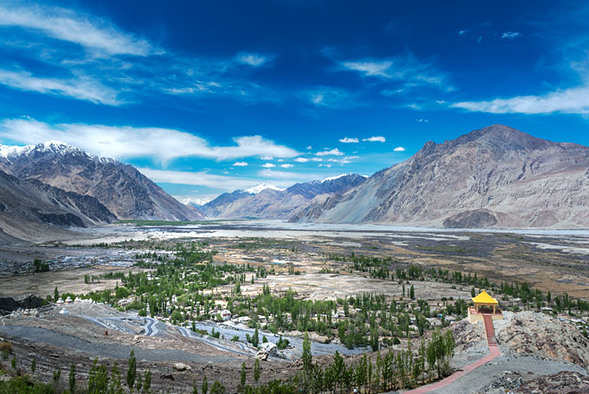
Nestled between the towering peaks of the Himalayas, the Nubra Valley is a mesmerizing tapestry of breathtaking landscapes and rich cultural heritage. With its stunning vistas and unique geographical features, Nubra truly feels like a slice of paradise, drawing adventurers and culture enthusiasts alike.
History and Origins
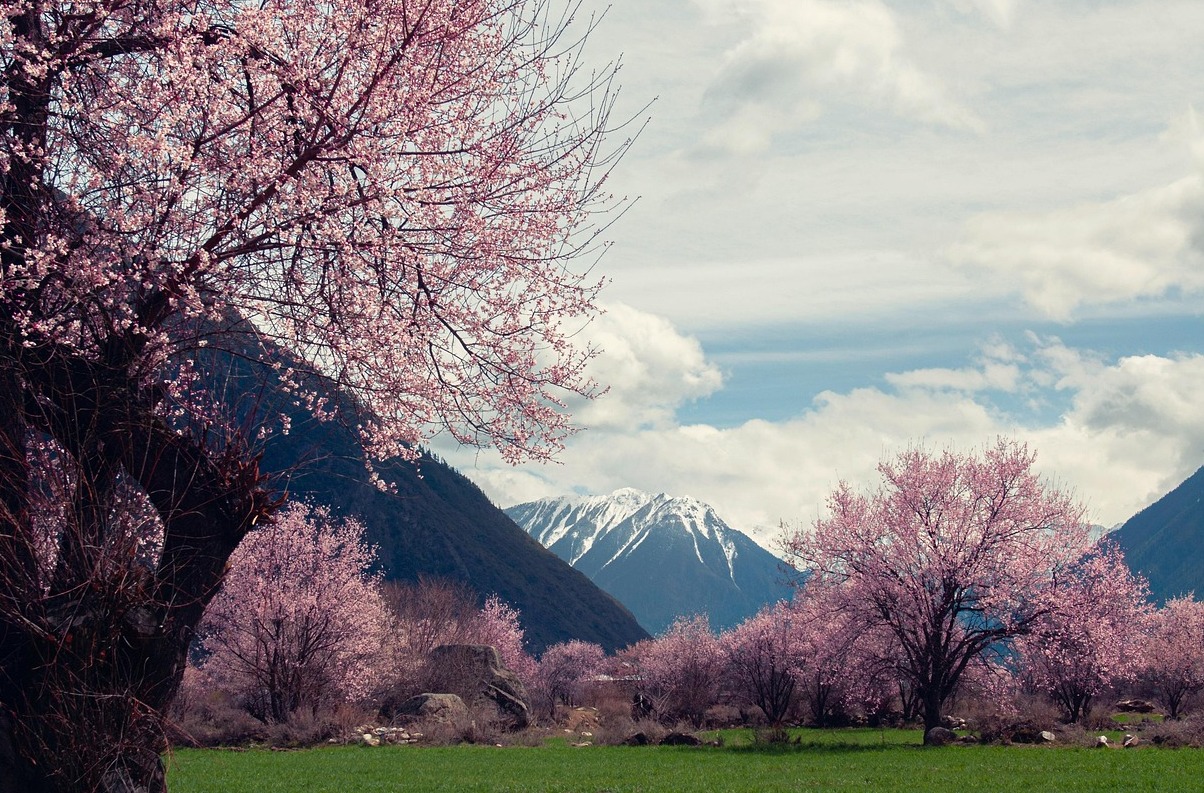
The history of Nubra Valley is as intricate as the landscapes that define it. Once a significant trade route connecting India with Tibet, it was an important part of the Silk Road. This valley, known as Ldumra in the local language, which translates to "valley of flowers," has played a crucial role in shaping the cultural exchanges between the two regions.
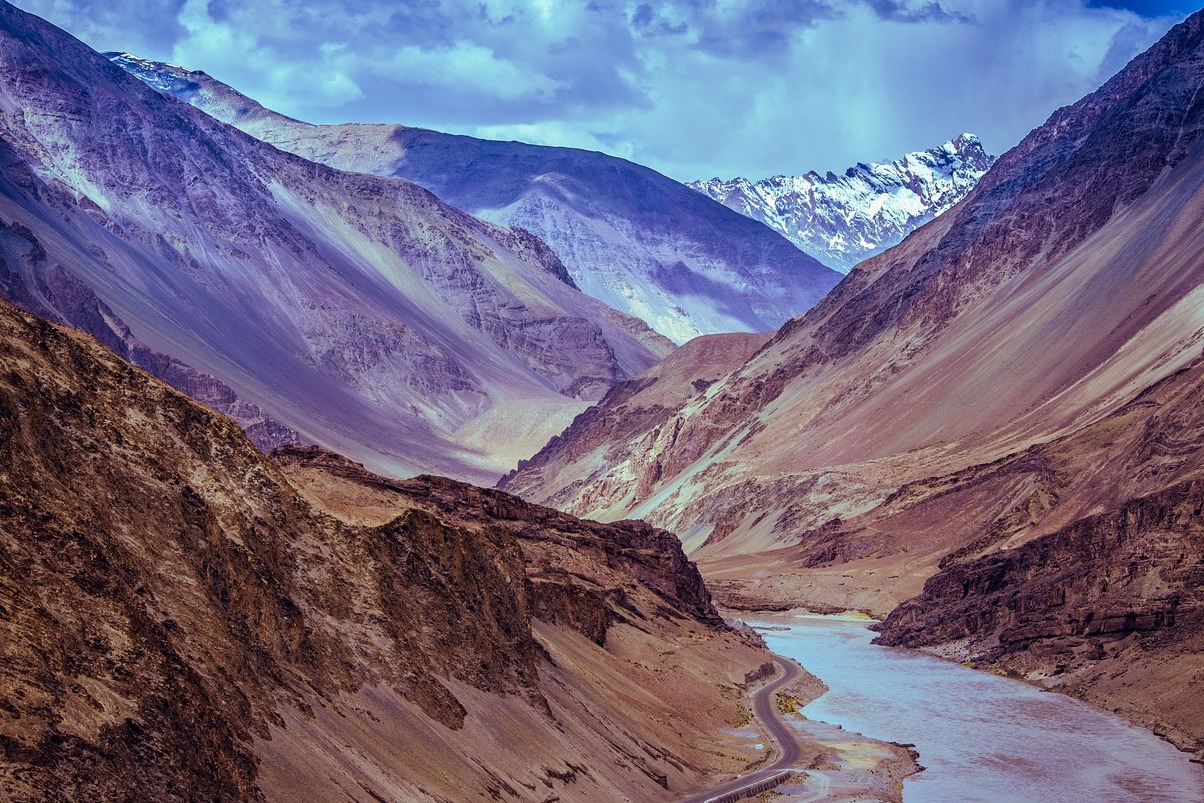
During the Buddhist era, which began around the 7th century, various monasteries were established, including the famous Diskit Monastery, founded in the 14th century, which continues to be a spiritual hub today. The region saw influence from Tibetan and Central Asian cultures, leaving an indelible mark on its customs and daily life. The Dogra dynasty annexed Nubra in the 19th century, further intertwining its fate with that of Kashmir.
Art and Architecture
The architectural style of Nubra Valley is a stunning blend of Tibetan influences and local traditions. The most prominent example is the Diskit Monastery, perched on a hilltop, showcasing intricate murals and statues of the Maitreya Buddha. This monastery, the oldest in the valley, is not only an architectural marvel but also a cultural repository, housing ancient scriptures and artifacts.
Another notable site is the Hunder Monastery, which features a stunning backdrop of sand dunes and spectacular views of the surrounding mountains. The traditional houses of Nubra, built from mud and stone, often feature wooden balconies and intricate carvings, reflecting the artistry of local craftsmen.
Local Culture and Traditions
The culture of Nubra Valley is vibrant and diverse, deeply rooted in Tibetan Buddhism. The locals celebrate various festivals, with Losar, the Tibetan New Year, being one of the most significant. During this time, the valley comes alive with colorful processions, traditional songs, and dances that celebrate the arrival of spring and new beginnings.
Yarchagumba, a unique fungus also known as Himalayan Viagra, is another cultural highlight, harvested in the summer months and celebrated for its medicinal properties. The valley is home to a rich tapestry of customs that include vibrant dance forms, particularly the Cham dance, performed during religious festivals, showcasing the spiritual heritage of the region.
Gastronomy
The local cuisine of Nubra Valley is a delightful fusion of flavors, heavily influenced by Tibetan and Central Asian culinary traditions. One must-try dish is thukpa, a hearty noodle soup often prepared with vegetables and meat. For those with a sweet tooth, baley, a traditional flatbread, served with locally made apricot jam, is a must.
Another local specialty is chhang, a fermented beverage made from barley, which is popular among the locals, especially during celebrations. The valley’s unique climate allows for the cultivation of various fruits, including apricots, which are a staple in local diets and often transformed into jams and dried snacks.
Lesser-known Curiosities
Beyond the stunning landscapes and cultural riches, Nubra Valley holds a treasure trove of lesser-known curiosities. The cold desert between Diskit and Hunder is home to the rare double-humped Bactrian camels, which are an attraction in their own right. These camels are well adapted to the harsh desert environment and are often used for camel rides across the stunning sand dunes.
Another fascinating aspect is the phenomenon of "moon land", where the valley transforms into an otherworldly landscape during winter, evoking the surface of the moon. Many visitors miss the chance to explore the hidden hot springs around Panamik, known for their therapeutic properties, offering a relaxing escape amidst the rugged terrain.
Practical Visitor Information
The best time to visit Nubra Valley is during the summer months, from May to September, when the weather is pleasant and the roads are accessible. Travelers should prepare for a high-altitude journey, taking the Khardung La Pass, the highest motorable road in the world, which provides staggering views but can also be challenging due to altitude sickness.
When visiting, it is essential to respect local customs and traditions. Engaging with local artisans, participating in festivals, and buying handmade crafts can enrich your experience. Always carry enough water and snacks, as facilities may be limited in remote areas.
Nubra Valley is more than just a destination; it’s an experience that intertwines adventure, culture, and breathtaking natural beauty. For those wishing to explore this enchanting region, consider using the Secret World app to craft a personalized itinerary that fits your interests and desires.
