
← Back

Nuraghe la Prisgiona

Italia ★★★★☆ 133 views
Mira Clark
🏆 AI Trip Planner 2026

Get the free app

Discover the best of {city} with Secret World — the AI trip planner with 1M+ destinations. Get personalized itineraries, hidden gems and local tips. Free on iOS & Android.

🧠 AI Itineraries 🎒 Trip Toolkit 🎮 KnowWhere Game 🎧 Audio Guides 📹 Videos
Scan to download iOS / Android
Scan for AppGallery Huawei users

About Nuraghe la Prisgiona

Nuraghe la Prisgiona | Secret World Trip Planner

The nuraghe was excavated by Ercole Contu in 1959. Recently the complex has been object of numerous interventions of excavation and restoration by Angela Antona.
Nuraghe la Prisgiona | Secret World Trip Planner

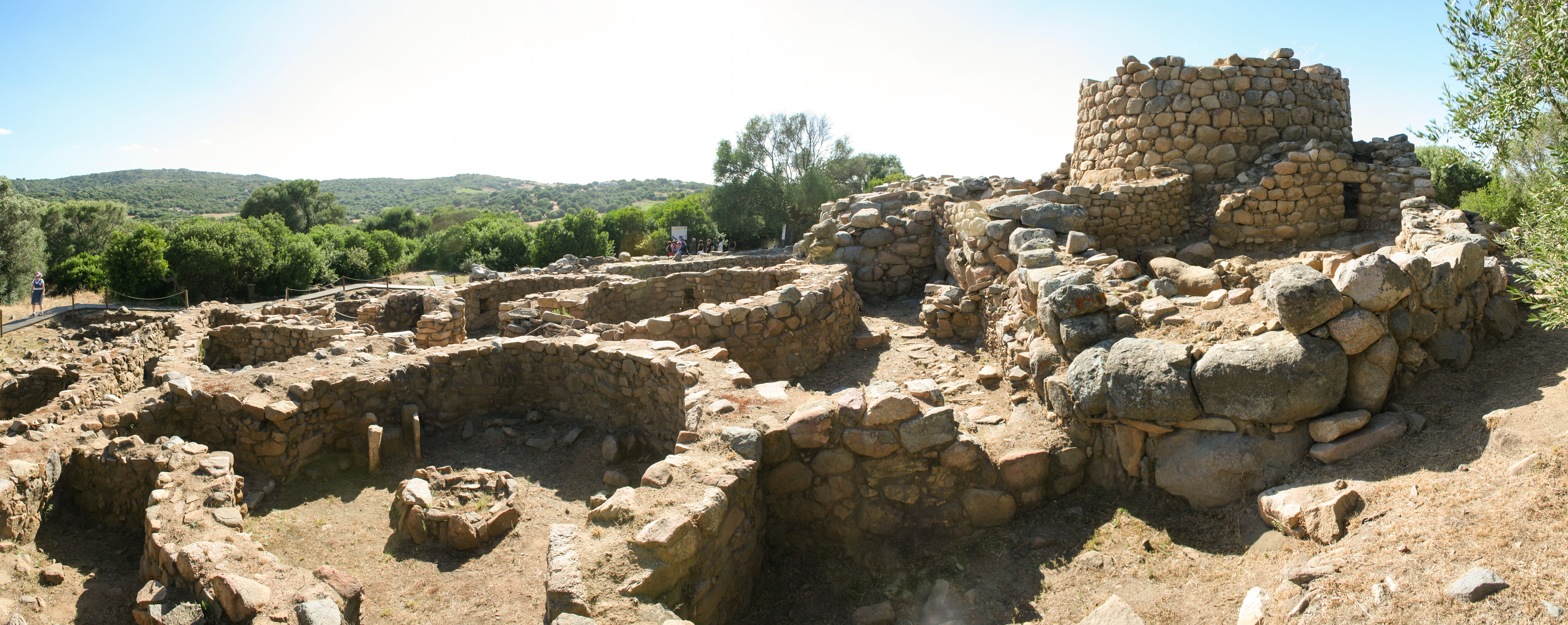
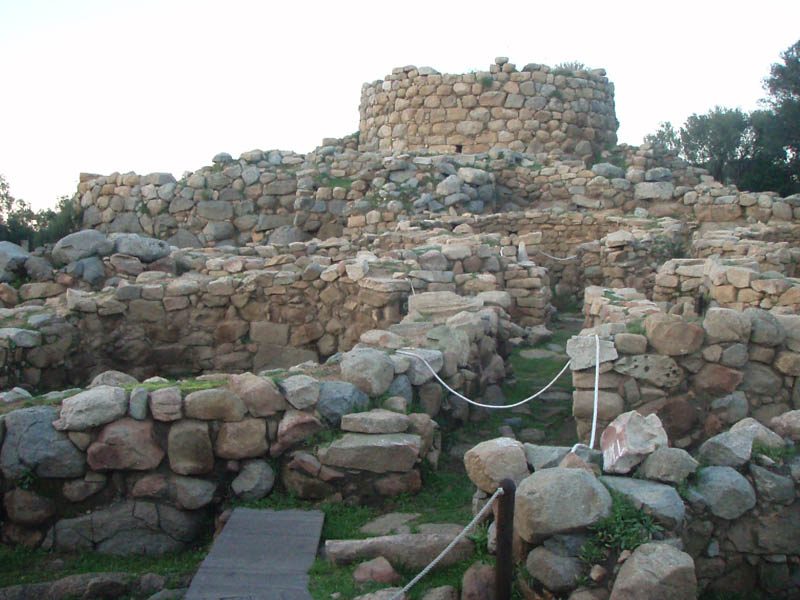
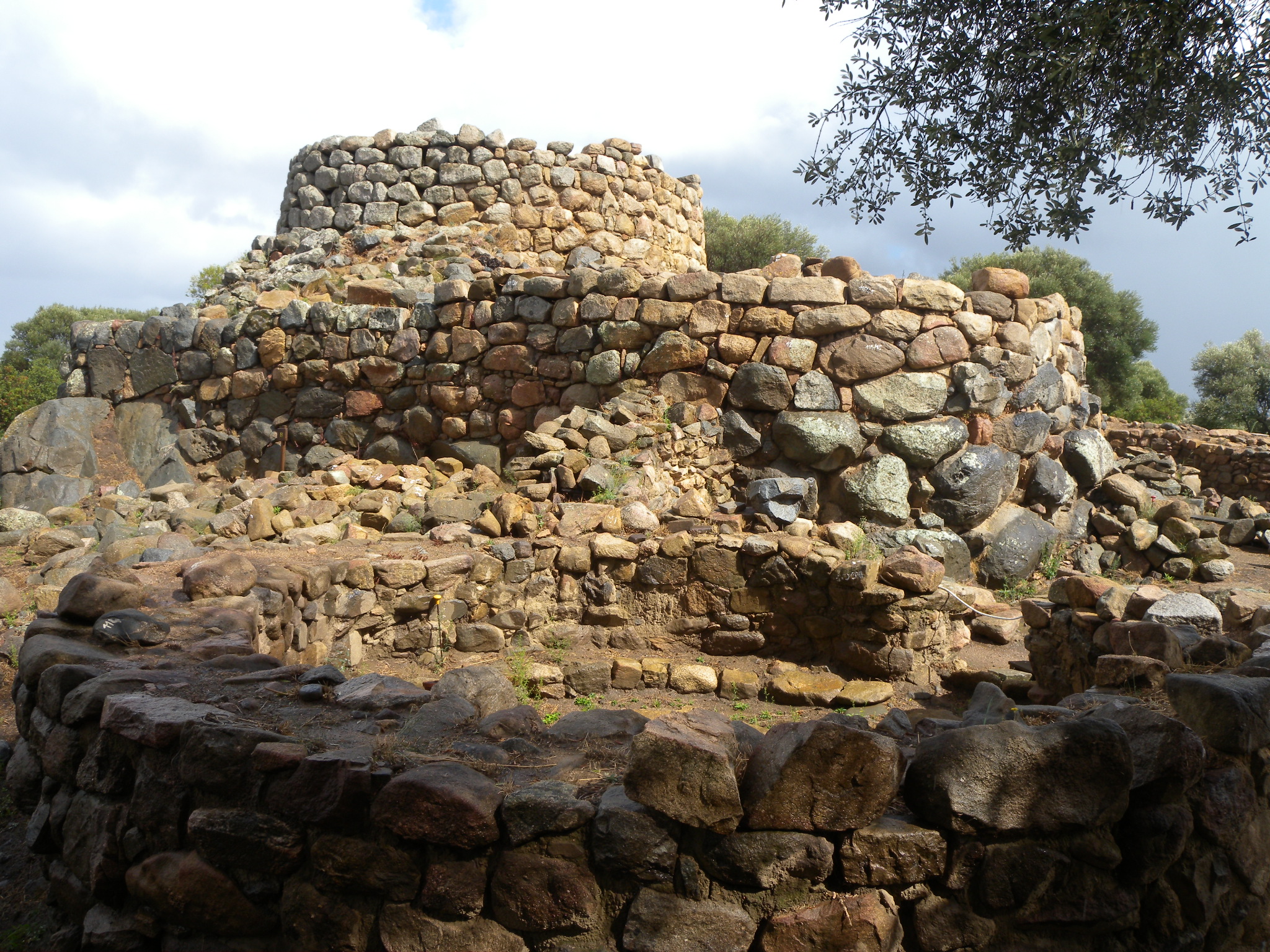
The nuraghe is part of a complex, which includes an antemurale and a village of huts. It is located O-NW of the tomb of the giants of Coddu Vecchiu. The nuraghe is of a complex type, consisting of a main tower surrounded by a trilobate bastion. The donjon (diameter 6,50 m; max. residual height 3,90 m) is made, at the base, of freshly hewn blocks arranged in rather irregular rows, while the upper walls have worked ashlars arranged in horizontal courses. The entrance to the tower is through an S-shaped door that leads into a splayed and flatbanded hallway behind (width 1.50 m). This corridor, today cluttered with collapse, has a niche on the right and on the left the opening of the staircase with angular section (height 3 m) that led to the upper floor. The room on the ground floor, today soaring, has a circular plan (diameter 3.50 m, height 5.60 m) and walls built with rough-hewn blocks arranged in regular rows with the help of wedges of reinforcement. The environment has three niches arranged in a cross: the first, in the s. wall, is quite deep (length 2.80 m; width 0.90 m; height 1.60 m), while the second, in the d. wall, has an almost semicircular plan (length 1.80 m; width 1.60 m; height 2 m) and a corner closure. The third niche, in the back wall of the room, can not be detected because it is obstructed by the collapse. The bastion is made up of three towers and their connecting curtains that define a triangular structure with rounded corners (29.70 m x 20 m): the rear tower is unusual in that it seems to have corridors instead of the usual internal chamber. The nuraghe is defended by a curvilinear curtain wall running from E to W (height 1.10 m) - made of large unworked blocks arranged in irregular rows - which includes a large circular hut or tower (external diameter 5.50 m) with an entrance to the SE (width 1.00 m). In the space between the curtain and the nuraghe a well with a ring nut is dug: the cylindrical-conical barrel (diameter 1.40/1.06 m; depth 7.10 m) is covered by a masonry of red granite slabs arranged in regular rows. Around the nuraghe, in the area delimited by the curtain wall, the remains of at least a dozen huts can be identified: they are circular constructions (external diameter 7.15 m, internal 5.00 m; height 1.10 m) with an entrance often provided with a threshold slab and a paved floor. The complex is datable to 1400-1000 BC.
Nuraghe la Prisgiona | Secret World Trip Planner

Buy Unique Travel Experiences

Powered by Viator

See more on Viator.com

Explore nearby

Frequently Asked Questions

Nuraghe la Prisgiona is a complex nuraghe consisting of a main tower (donjon) with a diameter of 6.50 meters surrounded by a trilobate bastion made up of three towers connected by curtain walls forming a triangular structure. The entire complex also includes an antemurale (outer wall) and a village of huts, demonstrating the sophisticated defensive and residential planning of Bronze Age Sardinia.
The nuraghe was initially excavated by Ercole Contu in 1959, marking an important moment in Sardinian archaeological research. In recent decades, Angela Antona has conducted numerous excavation and restoration interventions to further understand and preserve this significant Bronze Age site.
The ground floor chamber features a circular plan with a diameter of 3.50 meters and contains three niches arranged in a cross pattern with varying dimensions and semicircular designs. Access to the upper floors is provided by an angular staircase (3 meters high) accessed through an S-shaped entrance that leads into a splayed hallway, showcasing advanced architectural design for its era.
Nuraghe la Prisgiona is positioned to the northwest (O-NW) of the Tomb of the Giants of Coddu Vecchiu, making it convenient to visit both archaeological sites during the same trip to explore different aspects of prehistoric Sardinian culture. This proximity allows visitors to understand the broader cultural landscape of the region during the Bronze Age.
The nuraghe was constructed using freshly hewn stone blocks arranged in irregular rows at the base, with upper walls featuring worked ashlars arranged in horizontal courses for greater structural stability. The outer curtain walls used large unworked blocks in irregular rows, while reinforcement wedges were employed in the internal chamber, demonstrating sophisticated Bronze Age construction methods adapted to local materials.