
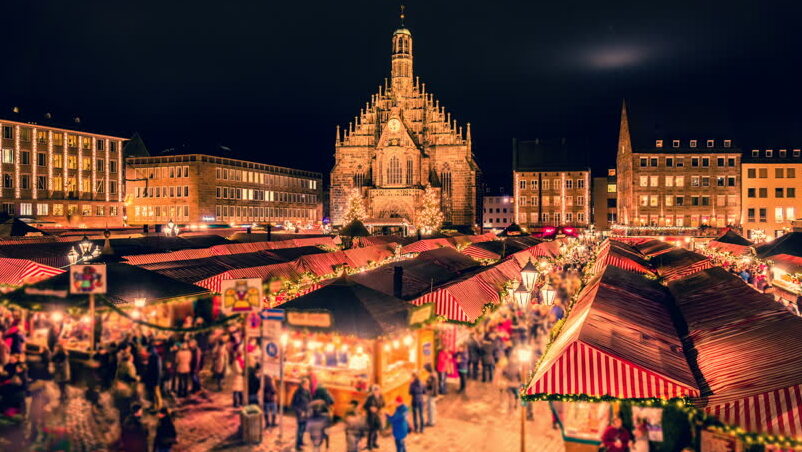

Nuremberg, a gem nestled in the heart of Bavaria, is a city that wears its history like a badge of honor. Founded in the early 11th century, it quickly became a vital hub for trade, thanks to its strategic location along important trade routes. The city's significance grew as it became the seat of the Holy Roman Empire, hosting numerous imperial diets and showcasing its political importance. However, it is perhaps the Nuremberg Trials that cast a long shadow over its history, marking the city as a central stage in the post-World War II reckoning. Today, Nuremberg embraces both its past and its present, most notably through its Christmas market, the Christkindlesmarkt, a tradition that dates back to the 16th century.
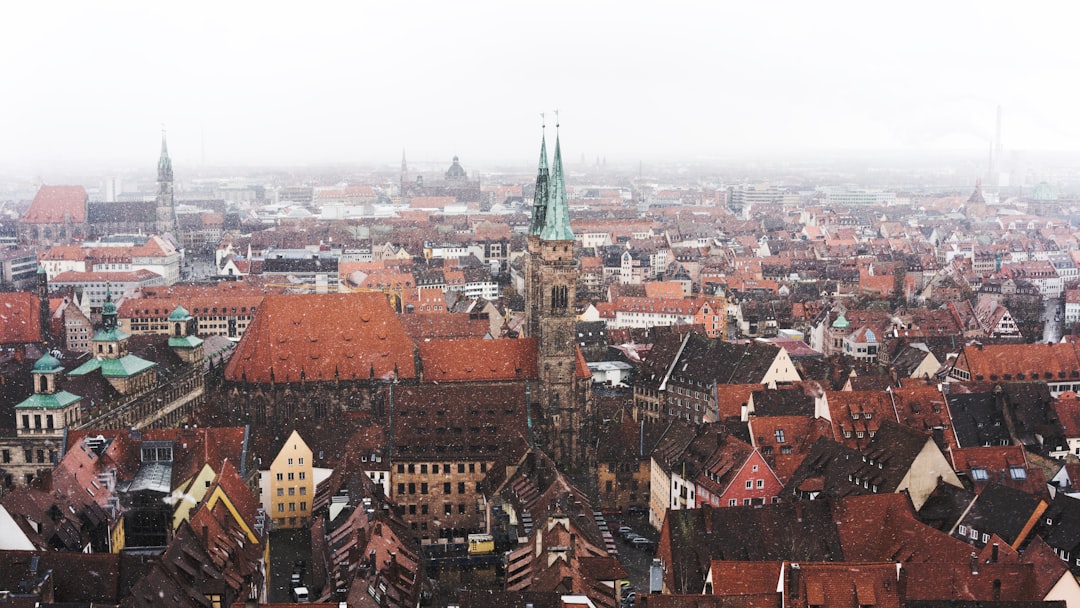
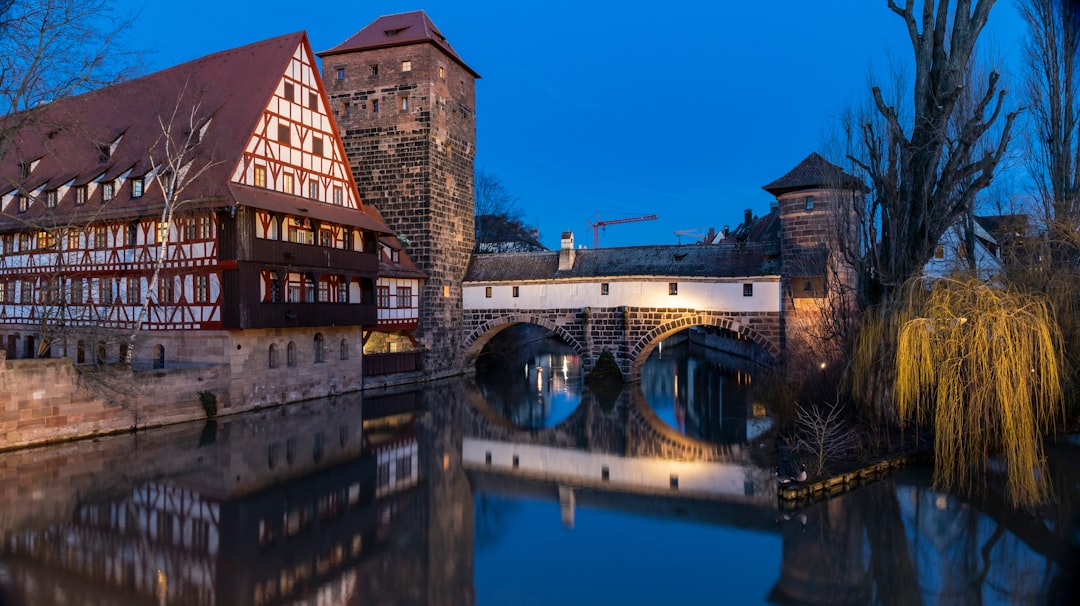
The Nuremberg Christkindlesmarkt is not merely a shopping venue; it’s a sensory experience. The market transforms the medieval old town into a winter wonderland, with stalls lining the Hauptmarkt against the backdrop of the iconic St. Lorenz Church and the majestic Nuremberg Castle. The architecture of the city is a blend of Gothic and medieval styles, with half-timbered houses that evoke a sense of nostalgia. Among the notable artworks are the intricate wood carvings and nativity scenes that adorn many of the stalls, reflecting the artisanal craftsmanship that Nuremberg is renowned for.
The local culture is steeped in tradition, especially evident during the Christmas season. The Christkind, a gift-bringer depicted as an angelic figure, opens the market, a practice that harks back to the 16th century. Local customs, such as the singing of carols and the ringing of church bells, create an ambiance that captures the spirit of the holiday season. Each evening, the market fills with the sounds of laughter, music, and the joyous chatter of families celebrating together, making it a truly communal experience.
When it comes to gastronomy, Nuremberg is a feast for the senses. The market is famous for its Nuremberg bratwurst, small sausages seasoned with marjoram, which are grilled to perfection and served with a dollop of sauerkraut or potato salad. Don’t miss the lebkuchen, a spiced gingerbread that is intricately decorated and often made with a secret family recipe passed down through generations. Pair these treats with a cup of glühwein, a hot mulled wine infused with spices like cinnamon and cloves, which warms you from the inside out. The aroma of roasted almonds and candied fruits fills the air, adding to the festive atmosphere.
While the main market is a highlight, there are several lesser-known curiosities about Nuremberg that are worth exploring. One such gem is the Nuremberg Toy Museum, which showcases the city's rich history of toy-making, a craft that has been integral to its identity since the 19th century. Furthermore, the Nuremberg Chronicle, a landmark publication from the 15th century, is one of the earliest printed books and reflects both the artistic and cultural values of the city. Another intriguing aspect is the Nuremberg Christmas Angel, who is said to have been the first to establish the tradition of gift-giving in the region.
For those planning a visit, the best time to experience Nuremberg's Christmas market is from late November until Christmas Eve. The market operates daily, with extended hours on weekends to accommodate the influx of visitors. Arriving early in the day can help you avoid the crowds and allow you to soak in the peaceful beauty of the market adorned with twinkling lights. Don’t forget to wear comfortable shoes, as you’ll want to meander through the winding streets and explore beyond the market to discover the hidden nooks and crannies of this enchanting city.
In conclusion, Nuremberg is more than just a destination; it's a tapestry of history, culture, and gastronomy woven together by the spirit of the season. As you prepare for your visit, consider using the Secret World app to plan a personalized itinerary that captures the magic of Nuremberg.


