



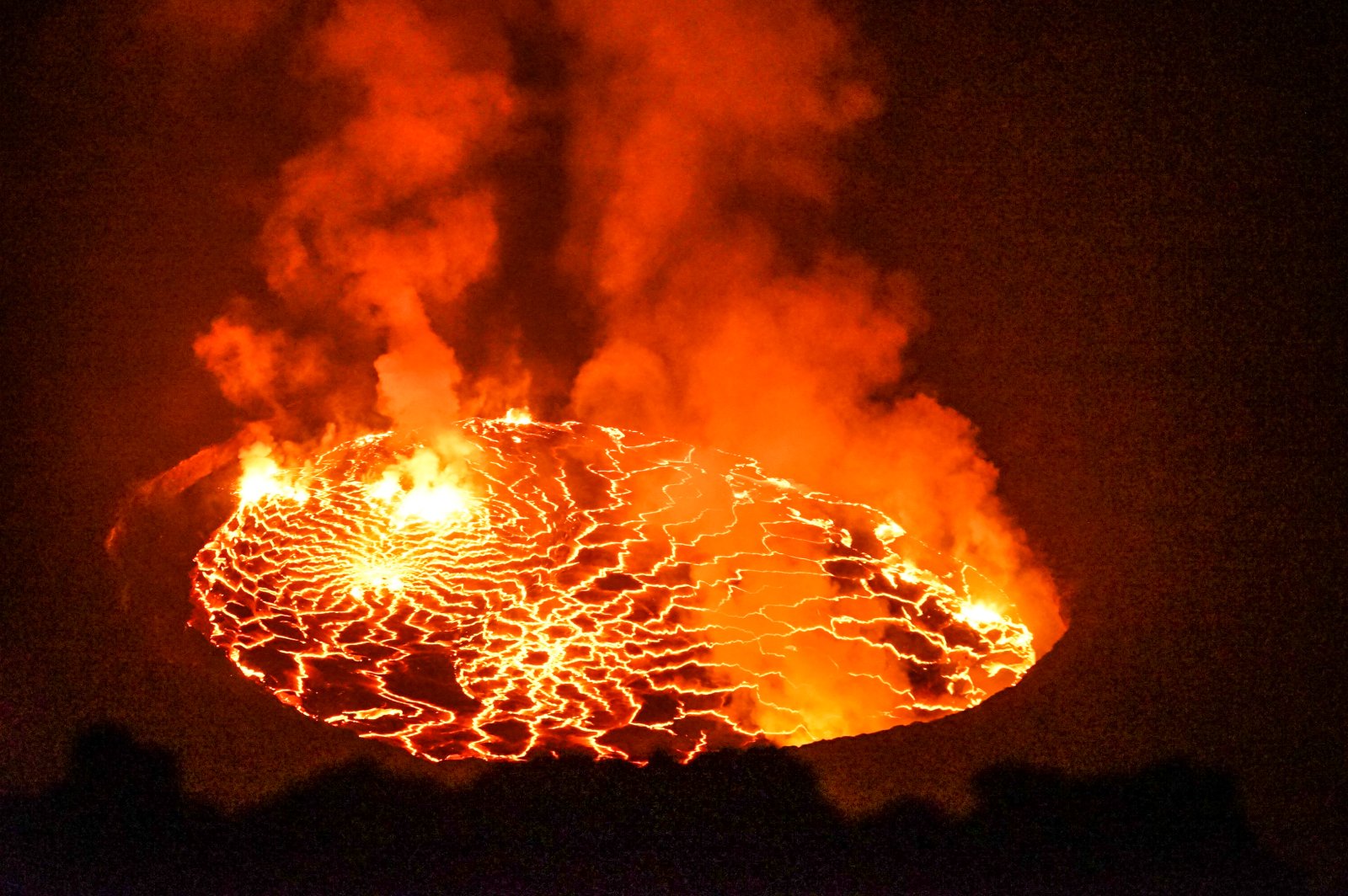
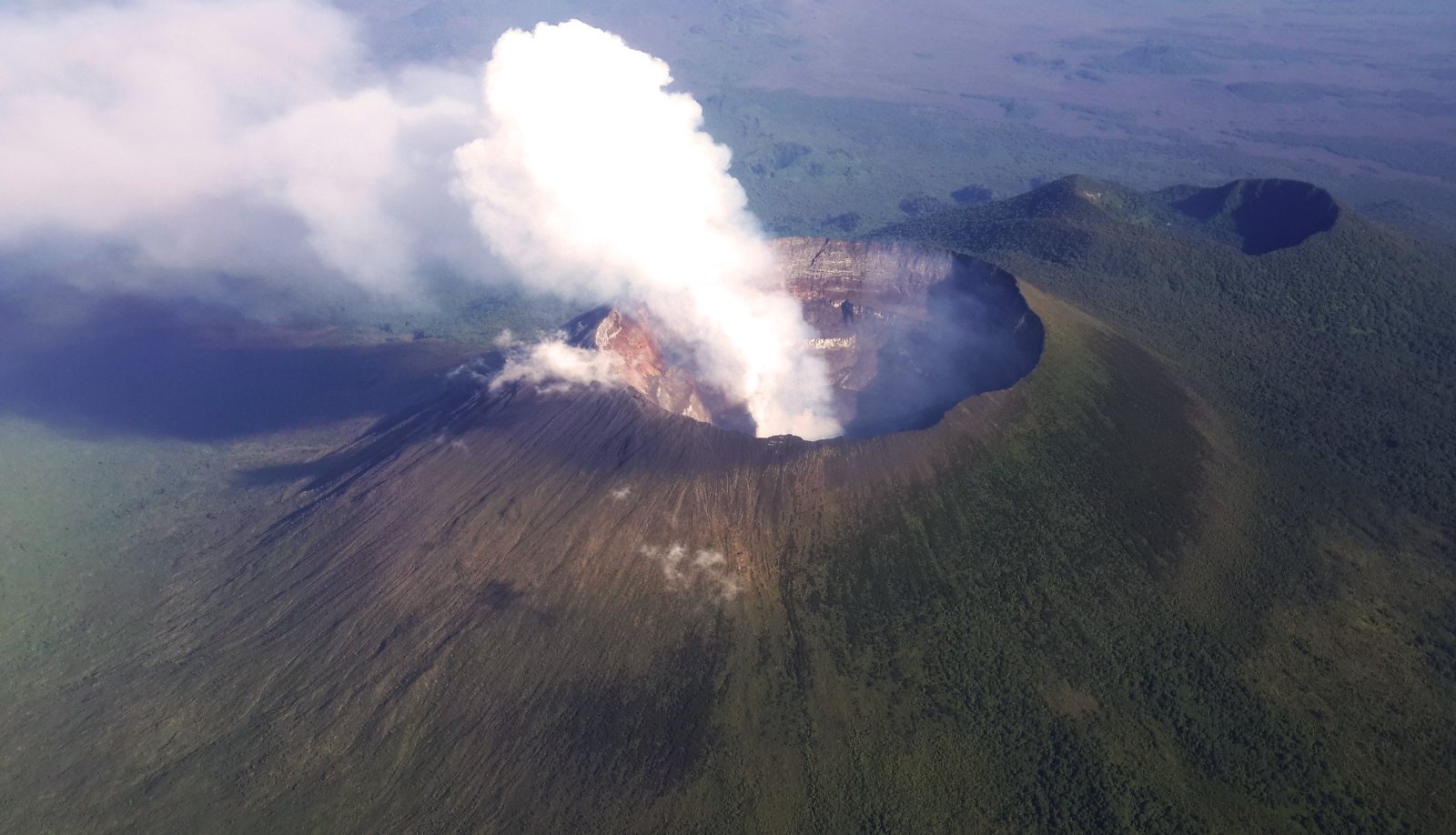
The Nyiragongo Volcano, a majestic sentinel of the Democratic Republic of the Congo, looms over the landscape with its imposing height and fiery reputation. This active volcano, with a crater that measures an astounding 2 kilometers (1.2 miles) wide, is not just a geological wonder but a significant cultural and historical landmark.
History and Origins
The history of Nyiragongo is deeply intertwined with the rich tapestry of the Virunga National Park, which was established in 1925, making it Africa’s oldest national park. The volcano itself has erupted at least 34 times since 1882, with notable eruptions shaping both the geography and the lives of the people in the surrounding regions. One of the most devastating eruptions occurred in 1977, when a sudden outpouring of lava claimed hundreds of lives and caused significant destruction to the nearby town of Goma. This event highlighted the volcano’s unpredictable nature and the urgency for monitoring its activity.
The name "Nyiragongo" is derived from the local Kinyarwanda language, meaning "the one who has a lot of lava." It has long been revered in local folklore, often viewed as a powerful spirit that can bring both destruction and fertility to the land. The volcano is part of a larger volcanic chain, with older structures like Baratu and Shaheru nearby, each contributing to the region's complex geological history.
Art and Architecture
While Nyiragongo itself is a natural formation, its surrounding area boasts a rich artistic heritage influenced by the vibrant cultures of the Banyarwanda and Bantu peoples. Traditional architecture includes the use of mud and wattle techniques, with homes often featuring thatched roofs designed to withstand the region's frequent rainfall. In local villages, you may find intricately woven baskets and colorful textiles that reflect the artistic flair of the community.
Artistic significance is also found in the storytelling traditions that have flourished around Nyiragongo. Local artisans create sculptures and carvings that depict the volcano and its associated myths, bringing the stories of fire and spirit to life through their craft.
Local Culture and Traditions
The culture surrounding Nyiragongo is vibrant and diverse, with customs that reflect the deep connection between the land and its people. Festivals often celebrate the volcanic landscape, including the Umuganura Festival, which marks the harvest season. During this time, locals gather to share traditional foods, music, and dance, expressing gratitude to the spirits of the land.
Daily life in the shadow of Nyiragongo is marked by a strong sense of community. Traditional practices, such as farming and fishing, are essential for survival, with many residents relying on the fertile volcanic soil to grow crops like beans, maize, and sweet potatoes. The local customs of storytelling, music, and dance serve to reinforce cultural identity and community bonds, creating a tapestry of life that is rich and enduring.
Gastronomy
The cuisine around Nyiragongo is as vibrant as its landscape, with flavors that reflect the agricultural bounty of the region. Traditional dishes feature staples like ugali (a type of maize porridge), sukuma wiki (collard greens), and hearty stews made with meat and vegetables. Fish from nearby Lake Kivu is also a popular choice, often grilled or fried and served with spicy sauces.
Visitors should not miss trying akabenz (fried pork), a local delicacy often enjoyed during celebrations. To wash it down, a refreshing drink made from banana beer, known as urwagwa, is a must-try. This traditional beverage plays a significant role in local festivities, symbolizing hospitality and community spirit.
Lesser-Known Curiosities
Beyond its eruptions and stunning views, Nyiragongo harbors unique secrets that many tourists overlook. For instance, the lava lake within the crater has been one of the most voluminous in recent history, with depths recorded at about 600 meters (2,000 feet). This dynamic lava lake can change dramatically, creating an ever-evolving spectacle that fascinates geologists and adventurers alike.
Another intriguing fact is that Nyiragongo's cone is not merely a singular structure but is surrounded by numerous small cinder cones and volcanic features formed from past eruptions. The landscape is a testament to the power of nature and offers a rare opportunity to witness geological processes in action.
Practical Visitor Information
For those eager to explore this breathtaking destination, the best time to visit Nyiragongo is during the dry season, which runs from June to September and December to February. Treks to the summit are increasingly popular, with guided tours provided by Virunga National Park. These treks allow visitors to experience the raw beauty of the volcano and, if conditions permit, witness the mesmerizing glow of the lava lake from the crater rim.
When planning a visit, be sure to pack appropriate gear, including sturdy hiking boots, warm clothing (as temperatures can drop at higher altitudes), and plenty of water. It's also wise to check the current alert levels of the volcano, as safety is paramount in such an active geological area.
Nyiragongo Volcano is a place where nature's fury meets cultural richness, offering an unforgettable experience for any traveler. For a personalized itinerary that captures the essence of this extraordinary destination, consider using the Secret World app to plan your adventure.
