
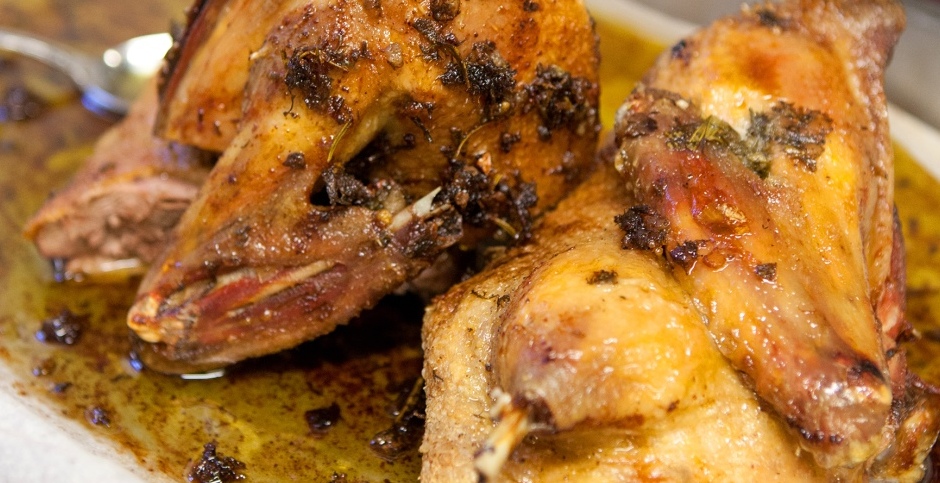

Nestled in the heart of Italy, Oca muta in porchetta (Muscovy duck in porchetta) represents a culinary tradition steeped in history and culture. The dish beautifully encapsulates the region's agricultural heritage, where the land meets culinary artistry, creating flavors that tell stories of generations past.
The origins of Oca muta in porchetta can be traced back to ancient Italian traditions, where local farmers sought to make the most of the resources available to them. The Muscovy duck, known for its rich flavor and tender meat, was often raised in the pastoral landscapes of Italy. This practice dates back centuries, intertwining with the agricultural cycles that shaped local communities. Over time, the porchetta style of preparation emerged, typically involving the use of spices and herbs that were plentiful in the region, such as rosemary and wild fennel.
Architecturally, the region where Oca muta is prepared boasts a myriad of styles that reflect its rich history. From Roman ruins to medieval castles, the landscape is dotted with structures that tell tales of conquest and resilience. Notable sites include the Castello di Rocca Sinibalda, a medieval fortress that offers breathtaking views of the surrounding countryside, and the charming cobblestone streets of local villages where traditional markets and eateries celebrate the region's culinary arts.
Local culture in this part of Italy is vibrant and deeply rooted in tradition. Festivals celebrating the harvest, such as the Sagra della Porchetta, bring communities together to honor their agricultural heritage. During these festivities, locals gather to enjoy traditional foods, engage in folk dances, and share stories that have been passed down through generations. The sense of community is palpable, making it a perfect opportunity for visitors to immerse themselves in the local way of life.
When it comes to gastronomy, Oca muta in porchetta stands out as a true delicacy. The process of preparing this dish is meticulous, requiring patience and skill. First, the duck must be cleaned and seasoned with a mixture of pork fat, herbs, oil, and vinegar. Once rubbed generously and left to rest, it is roasted to perfection, allowing the flavors to meld beautifully. This dish is often accompanied by local wines, such as Est! Est!! Est!!! di Montefiascone, which complement the rich flavors of the duck and herbs.
Beyond the savory delights, there are lesser-known curiosities that add intrigue to Oca muta in porchetta. For instance, the use of a blow torch to remove pin feathers is a technique that speaks to the resourcefulness of local chefs, reflecting both tradition and innovation. Additionally, the wild fennel used in the seasoning is often foraged from surrounding hillsides, showcasing the region's bounty and the locals' connection to their environment.
For those considering a visit, the best time to experience Oca muta in porchetta is during the autumn months, particularly in September and October, when the harvest season is in full swing. Visitors should take advantage of local markets to find fresh ingredients and perhaps even participate in a cooking class to learn the art of porchetta preparation. It is also advisable to explore the scenic countryside, where picturesque vineyards and olive groves offer stunning backdrops for leisurely strolls.
In summary, Oca muta in porchetta is not just a dish; it is a celebration of history, culture, and community in Italy. As you plan your journey, consider utilizing the Secret World app to create a personalized itinerary that captures the essence of this remarkable culinary tradition.


