



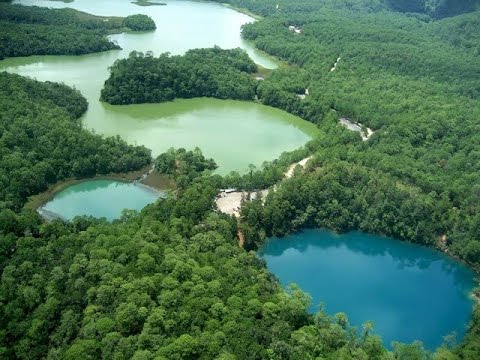
Nestled in the heart of Amambay, Paraguay, the enigmatic Ojo del Mar captivates with its blend of natural beauty and folklore. This small lake, seemingly untouched by time, is steeped in local legend that whispers of a bottomless depth, guarded by mystical forces pulling in those who dare swim in its waters. It's a place where nature and myth intertwine, offering a unique lens into the region's rich cultural tapestry.

The history of Ojo del Mar is as deep and mysterious as the lake itself. While the exact origin of its name, "Eye of the Sea," remains unclear, it reflects a long-standing connection between the locals and their environment. This area has been inhabited for centuries, with the Guaraní people leaving an indelible mark on the region. The lake has always been a part of oral traditions, serving as a sacred spot and a focal point for storytelling. Over the years, it has witnessed the evolution of Amambay, from its days as a lush forested area to its current status as a quiet retreat for those seeking solace in nature.
While Ojo del Mar may not boast grand architectural feats, its natural artistry is unparalleled. The surrounding landscape, with its dense greenery and vibrant flora, forms a living canvas that changes with the seasons. The area is a testament to the artistry of nature, where the interplay of light and shadow creates an ever-shifting tapestry. The lake itself is often compared to a jewel, its waters reflecting the sky in a spectrum of blues and greens, offering a serene backdrop for reflection and inspiration.

Culturally, Ojo del Mar is a significant landmark for the locals. It is often the focal point of community gatherings and traditional ceremonies. The Fiesta de San Juan, celebrated in June, is one of the most vibrant festivals in the region. This event showcases the rich cultural heritage of Amambay, with traditional music, dance, and games that bring the community together. The lake serves as a natural amphitheater where the sounds of the festival echo across the water, creating an immersive cultural experience.
A visit to Ojo del Mar wouldn't be complete without indulging in the local gastronomy. Paraguayan cuisine, known for its hearty and flavorful dishes, offers a feast for the senses. Visitors can savor sopa paraguaya, a cornbread-like dish that is a staple of the region, or chipa, a type of cheese bread that pairs perfectly with a steaming cup of mate. These culinary delights are often enjoyed during festivals and gatherings, offering a taste of the region's hospitality and warmth.
Beyond its mystical reputation, Ojo del Mar holds several lesser-known curiosities that intrigue visitors. The lake is surrounded by a variety of plant species, some of which are unique to the region. Birdwatchers will find a paradise here, with rare and colorful birds making frequent appearances. Additionally, it is said that the lake's waters have healing properties, a belief that draws many seeking spiritual and physical renewal.
For those planning to visit Ojo del Mar, the best time is during the Paraguayan winter months, from May to September, when the weather is cooler and more pleasant for outdoor activities. Travelers are advised to respect local customs, especially the folklore surrounding the lake, by refraining from swimming. Instead, they can enjoy hiking the surrounding trails or picnicking along the lake's edge, immersing themselves in the tranquil ambiance. It's also recommended to engage with the local community, perhaps by participating in a festival or simply sharing a meal, to truly appreciate the cultural richness of the area.
Ojo del Mar is more than just a geographical feature; it's a portal into the soul of Amambay. For those who venture here, it offers not just a glimpse into Paraguay's natural beauty, but a deep dive into the myths, traditions, and hospitality that define this enchanting region.
