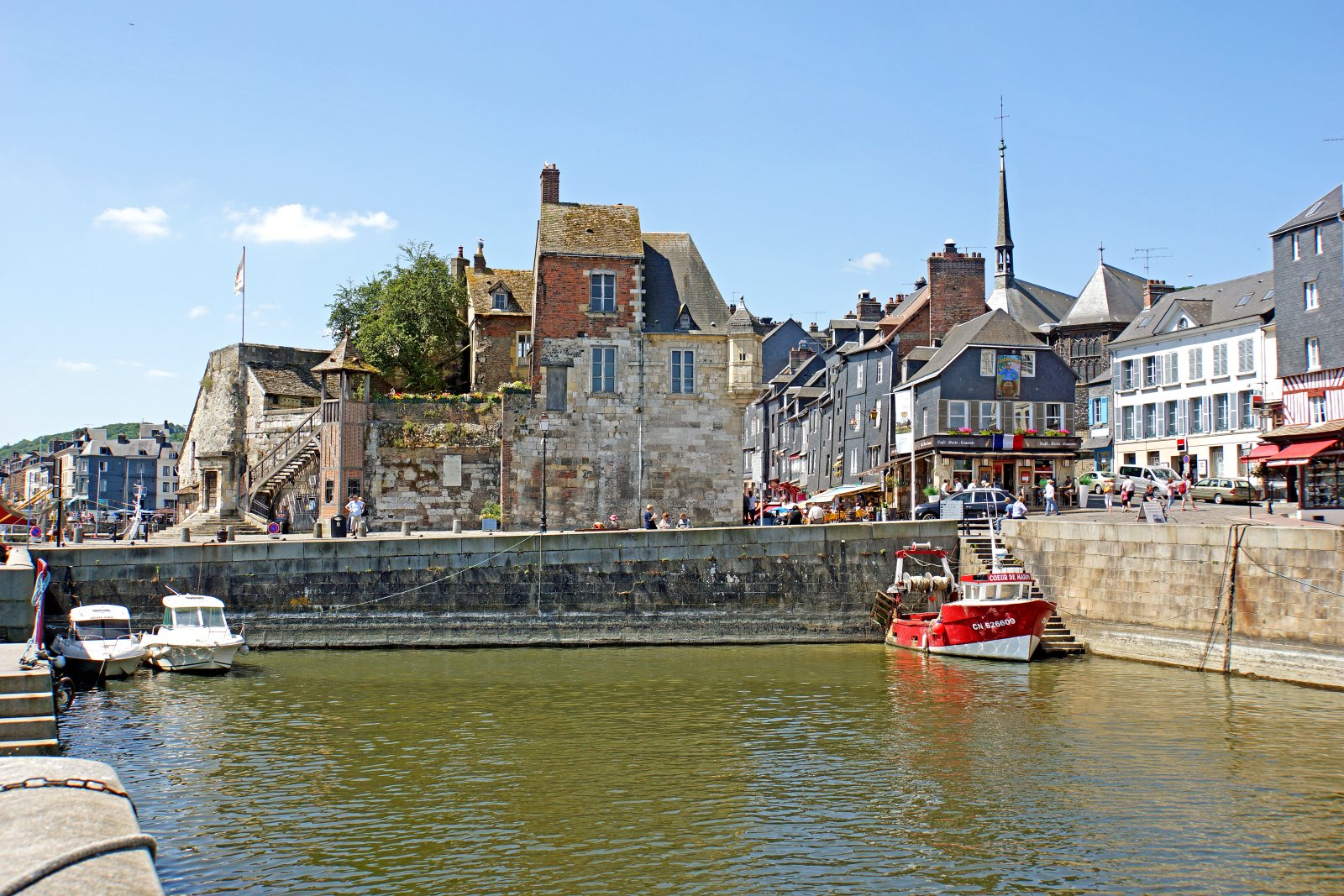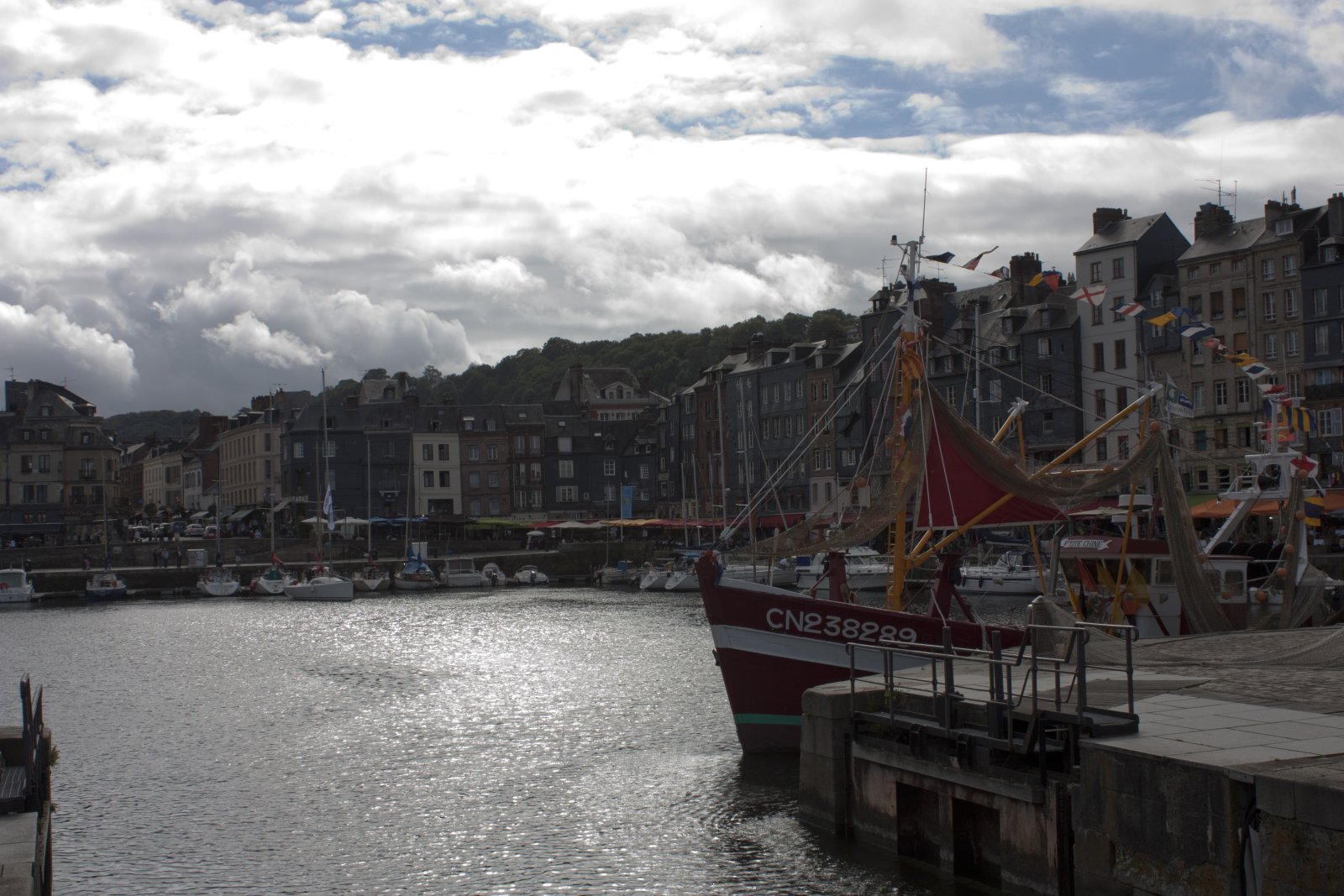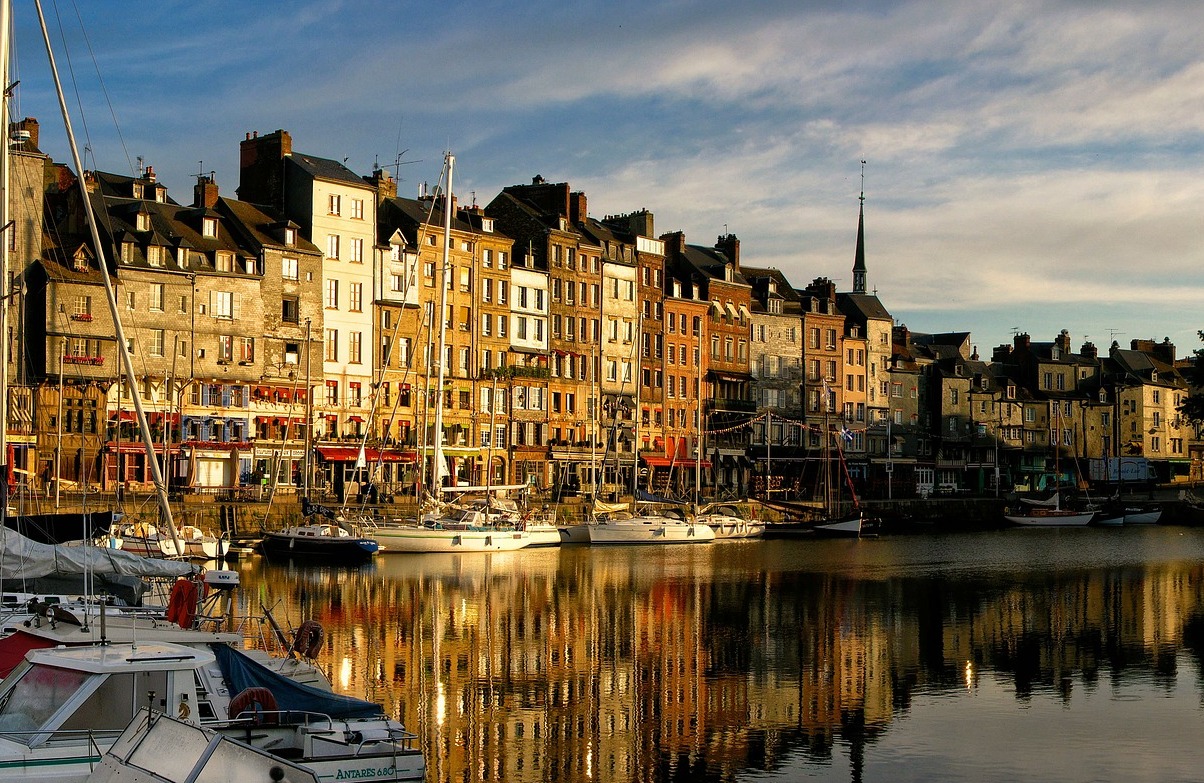

{ "title": "Explore Honfleur's Old Port: History and Charm in France", "description": "Nestled along the scenic Normandy coast, Le Vieux Bassin, or the Old Port of Honfleur, is a treasure trove brimming with history, art, and local culture. Established in 1681, this charming port was designed to enhance the existing harbor, necessitating the demolition of parts of the city’s ancient ramparts. The result is a picturesque harbor lined with 17th and 18th-century houses, their narrow facades and charming slate roofs reflecting the quintessential Norman architectural style. These buildings have been recognized as historical monuments, showcasing the deep historical roots of the town, which dates back to the Viking Age when it was founded in the 9th century. Over the centuries, Honfleur has attracted numerous artists, most notably the Impressionists of the 19th century, who were captivated by the stunning interplay of light and color reflected on the water. The views of the harbor, especially at sunrise and sunset, evoke a sense of timeless beauty, a sentiment echoed in the works of artists like Claude Monet and Eugène Boudin. Beyond its visual allure, Honfleur is rich in local traditions and customs. Each year, the town celebrates various festivals, including the Fête de la Saint-Jean, which features lively music, dance, and local gastronomy, bringing together residents and visitors alike in a festive spirit. Gastronomy in Honfleur is a delight for the senses, with local specialties such as cider, Calvados, and seafood dishes like moules marinières (mussels cooked in white wine) making their mark. The local market, held in the square adjacent to the port, offers a vibrant atmosphere where you can sample artisanal products and regional delicacies. For those looking to delve deeper, Honfleur is filled with lesser-known curiosities. One such hidden gem is the Sainte-Catherine Church, the largest wooden church in France, built by shipbuilders in the 15th century. Its unique design resembles an upturned ship, further intertwining the town’s maritime heritage with its architectural landscape. Another delightful surprise is the " ," a narrow alleyway that leads to quaint art galleries and artisan shops, perfect for a leisurely stroll. The best time to visit Honfleur is during the spring and early autumn months when the weather is mild, and the town is less crowded. Aim to explore the bustling harbor early in the morning or during the golden hour before sunset to capture the perfect photographs. Don’t forget to look out for the historic port markers that tell the story of this enchanting town. To enhance your visit, consider using the Secret World app to craft a personalized itinerary that reveals the hidden gems of Honfleur**. Experience the magic of the Old Port and embark on a journey through time in this captivating coastal haven." : { "title": "Explore Honfleur's Old Port: History and Charm in France", "description": "Nestled along the scenic Normandy coast, Le Vieux Bassin, or the Old Port of Honfleur, is a treasure trove brimming with history, art, and local culture. Established in 1681, this charming port was designed to enhance the existing harbor, necessitating the demolition of parts of the city’s ancient ramparts. The result is a picturesque harbor lined with 17th and 18th-century houses, their narrow facades and charming slate roofs reflecting the quintessential Norman architectural style. These buildings have been recognized as historical monuments, showcasing the deep historical roots of the town, which dates back to the Viking Age when it was founded in the 9th century. Over the centuries, Honfleur has attracted numerous artists, most notably the Impressionists of the 19th century, who were captivated by the stunning interplay of light and color reflected on the water. The views of the harbor, especially at sunrise and sunset, evoke a sense of timeless beauty, a sentiment echoed in the works of artists like Claude Monet and Eugène Boudin. Beyond its visual allure, Honfleur is rich in local traditions and customs. Each year, the town celebrates various festivals, including the Fête de la Saint-Jean, which features lively music, dance, and local gastronomy, bringing together residents and visitors alike in a festive spirit. Gastronomy in Honfleur is a delight for the senses, with local specialties such as cider, Calvados, and seafood dishes like moules marinières (mussels cooked in white wine) making their mark. The local market, held in the square adjacent to the port, offers a vibrant atmosphere where you can sample artisanal products and regional delicacies. For those looking to delve deeper, Honfleur is filled with lesser-known curiosities. One such hidden gem is the Sainte-Catherine Church, the largest wooden church in France, built by shipbuilders in the 15th century. Its unique design resembles an upturned ship, further intertwining the town’s maritime heritage with its architectural landscape. Another delightful surprise is the " ," a narrow alleyway that leads to quaint art galleries and artisan shops, perfect for a leisurely stroll. The best time to visit Honfleur is during the spring and early autumn months when the weather is mild, and the town is less crowded. Aim to explore the bustling harbor early in the morning or during the golden hour before sunset to capture the perfect photographs. Don’t forget to look out for the historic port markers that tell the story of this enchanting town. To enhance your visit, consider using the Secret World app to craft a personalized itinerary that reveals the hidden gems of Honfleur**. Experience the magic of the Old Port and embark on a journey through time in this captivating coastal haven." : { "title": "Explore Honfleur's Old Port: History and Charm in France", "description": "Nestled along the scenic Normandy coast, Le Vieux Bassin, or the Old Port of Honfleur, is a treasure trove brimming with history, art, and local culture. Established in 1681, this charming port was designed to enhance the existing harbor, necessitating the demolition of parts of the city’s ancient ramparts. The result is a picturesque harbor lined with 17th and 18th-century houses, their narrow facades and charming slate roofs reflecting the quintessential Norman architectural style