



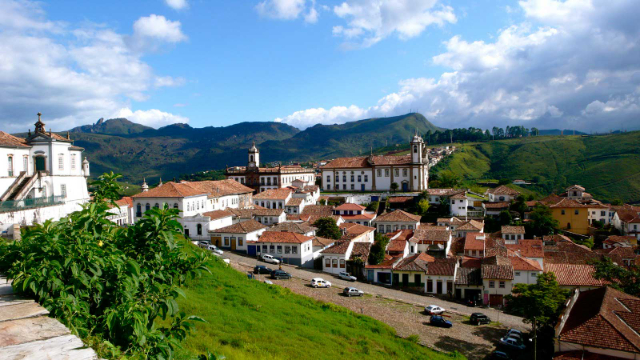
Perched on the sun-drenched Atlantic Coast, Olinda is a jewel of the northeastern state of Pernambuco, Brazil. With its vibrant streets, rich history, and breathtaking architecture, Olinda stands as one of Brazil’s best-preserved colonial cities, a living museum where past and present coalesce in a symphony of color and culture.
Founded in 1535 by the Portuguese settler Duarte Coelho, Olinda quickly became a prosperous hub due to its strategic location and fertile land. Its name, meaning "Oh, beautiful" in Portuguese, reflects the awe it inspired in its early European visitors. In the 17th century, Olinda faced turmoil as it was ravaged by Dutch invaders, who temporarily seized control and left an indelible mark on its architectural landscape. The city's resilience is evident in its recovery and subsequent flourishing, a testament to the enduring spirit of its people.
Strolling through Olinda, visitors are transported to a different era, thanks to its distinctive colonial architecture. The cityscape is a mosaic of pastel-colored houses, cobblestone streets, and majestic churches. Highlights include the Church of São Bento, with its opulent baroque interior, and the Convent of São Francisco, adorned with azulejos, traditional Portuguese blue tiles. These structures are not just relics but active centers of faith and community life.
Olinda is a canvas for artists, celebrated for its thriving art scene. The city is home to numerous art galleries and studios, where local artists display their work, often inspired by the vivid colors and rich textures of their surroundings. The Carnaval de Olinda, a UNESCO-recognized event, is a testament to the city's artistic flair. This annual festival transforms the streets into a riot of color and music, with giant papier-mâché puppets known as "bonecos" parading through the city, accompanied by the infectious rhythms of frevo and maracatu.
The culture of Olinda is a vibrant tapestry woven from a rich blend of indigenous, African, and Portuguese influences. Traditions are deeply rooted, with Capoeira performances often seen in public squares, a martial art that doubles as a dance, reflecting the city's Afro-Brazilian heritage. Religious festivals, such as the Festa de Nossa Senhora do Carmo, are celebrated with fervor, showcasing the city's deep spiritual ties.
No visit to Olinda is complete without indulging in its culinary delights. The city's gastronomy is a fusion of tropical flavors and colonial influences. Be sure to try acarajé, a street food delicacy of deep-fried black-eyed pea fritters, often filled with shrimp and a spicy vatapá sauce. Pair it with a glass of cachaça, a traditional sugarcane spirit, to experience the true taste of Pernambuco. For dessert, bolo de rolo, a traditional rolled cake with layers of guava paste, offers a sweet end to any meal.
Olinda holds many secrets that often elude the casual visitor. One such curiosity is the Beco do Veado, a narrow alleyway filled with colorful street art, offering a surprising splash of modern creativity amidst the historical setting. The Astronomical Observatory, a less-visited site, provides breathtaking views of the coastline and a unique perspective on the celestial wonders above.
For those planning a visit, the best time to experience Olinda is during the dry season from September to March, with the Carnaval in February being a highlight. To truly appreciate the city's charm, consider exploring on foot, allowing the cobblestone streets to guide you through its many wonders. Wear comfortable shoes and bring plenty of water, as the tropical climate can be quite warm.
Olinda is more than just a travel destination; it's a place where history lives in every corner, art breathes through every wall, and culture dances in the streets. Whether you're an avid historian, an art lover, or simply in search of an unforgettable adventure, Olinda promises an experience as rich and diverse as its storied past.
