



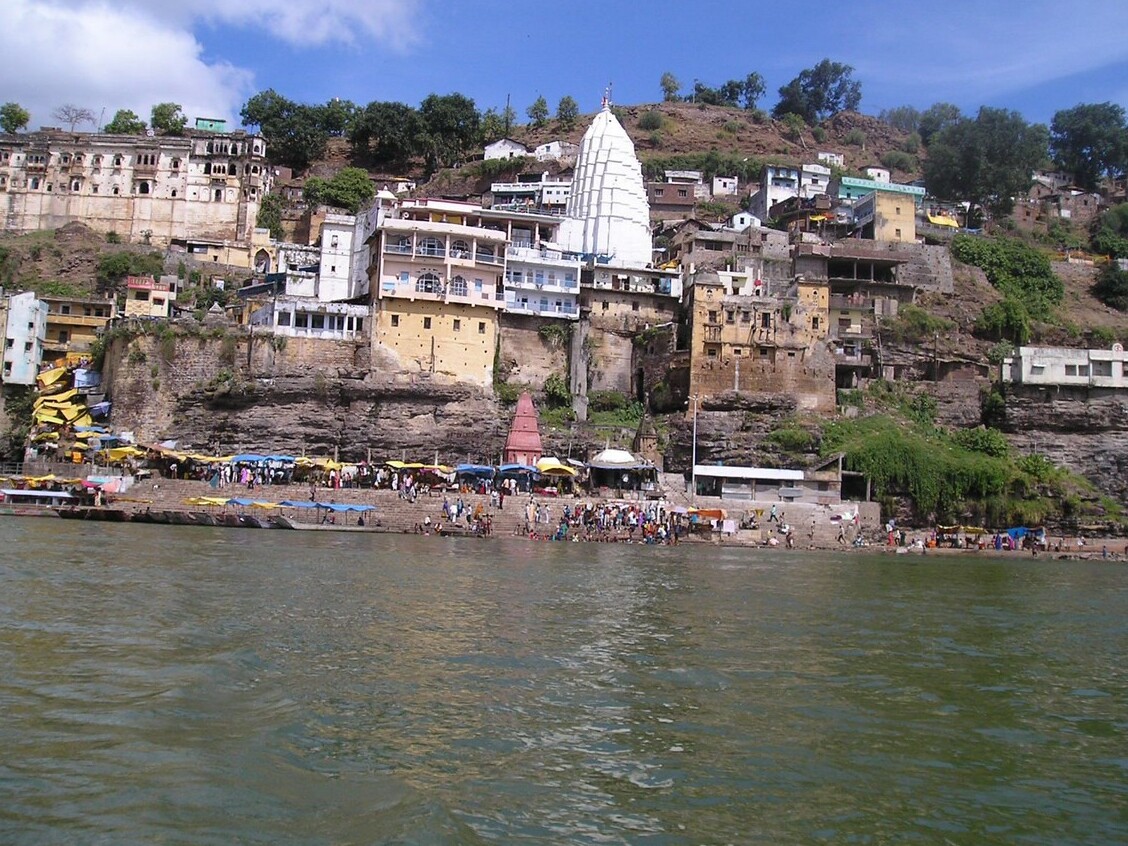
Nestled serenely on the sacred Omkar Mountain, surrounded by the tranquil waters of the Narmada River, lies the revered Omkareshwar Jyotirlinga—a place where spirituality and natural beauty intertwine seamlessly. This sacred island, shaped like the holy Hindu symbol 'Om', is home to one of the twelve revered Jyotirlingas in India, making it a focal point for devotees of Lord Shiva and a site of immense spiritual significance.
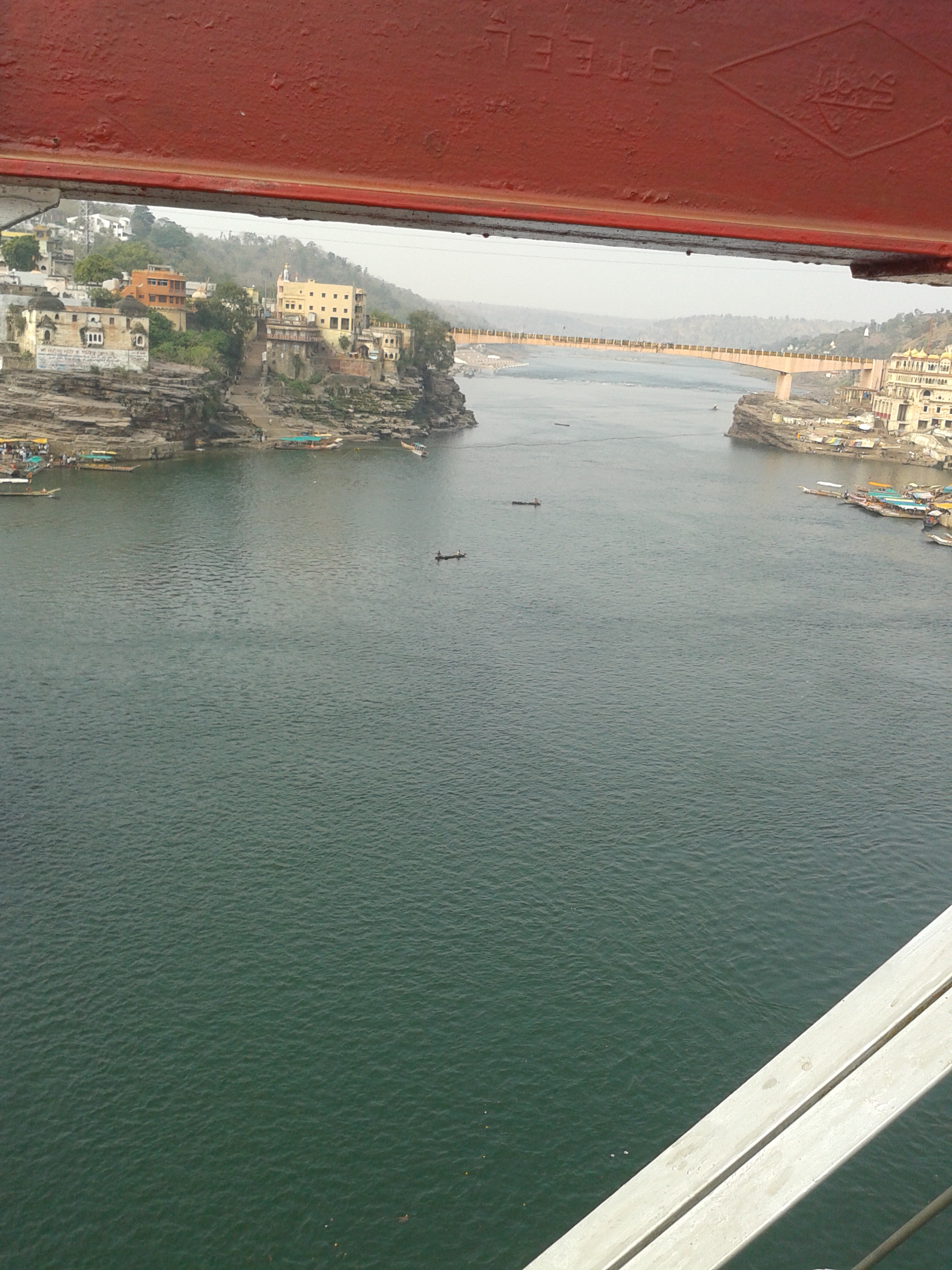
The origins of Omkareshwar are steeped in mythology and history. According to legend, the temple's existence is linked to a divine manifestation of Lord Shiva, who appeared here to vanquish the demon king, Narakasura. Historical records suggest that the temple dates back to centuries before the Common Era, with significant contributions made by the Paramara kings in the 11th century, who were instrumental in its construction and patronage. Over the centuries, Omkareshwar has witnessed the ebb and flow of various dynasties, each leaving its indelible mark on the temple's rich tapestry of history.
Architecturally, the Omkareshwar Temple is a marvel that reflects a confluence of styles. The temple's design is predominantly Nagara, characterized by its curvilinear towers and intricate carvings. The sanctum sanctorum houses the revered Jyotirlinga, a smooth, black stone that symbolizes Shiva's infinite nature. The temple's walls are adorned with exquisite sculptures and carvings, depicting scenes from Hindu scriptures and mythologies. The ancient Shikara, or spire, rises majestically against the backdrop of the blue skies, offering a breathtaking view of the surrounding landscape.

The cultural vibrance of Omkareshwar is palpable, especially during the numerous festivals celebrated with fervor. The most notable is Mahashivaratri, a grand festival dedicated to Lord Shiva, where the temple comes alive with thousands of devotees chanting hymns and offering prayers throughout the night. Another significant event is the Narmada Jayanti, celebrating the birth of the river goddess, with rituals and a vibrant fair that showcases local crafts and traditions.
While the temple is a spiritual haven, the town of Omkareshwar offers a taste of traditional Madhya Pradesh cuisine. Visitors can savor delectable dishes such as Dal Bafla, a local variation of the popular Dal Baati, and Bhutte ka Kees, a spicy corn preparation that's a regional specialty. For those with a sweet tooth, Jalebi and Malpua are must-try delicacies, often enjoyed with a steaming cup of tea.
Beyond the well-trodden paths of the temple, Omkareshwar harbors lesser-known curiosities that intrigue the discerning traveler. The Siddhanath Temple, a short distance from the main temple, is an architectural gem noted for its intricate friezes and elephant sculptures. The 24 Avatars, a series of temples, each dedicated to different deities, offer a quieter, more contemplative experience. Another hidden gem is the Gauri Somnath Temple, renowned for its massive shivalinga and unique three-faced idol of Lord Shiva.
For those planning a visit, the best time to experience Omkareshwar's spiritual and natural beauty is during the cooler months from October to March. Monsoon rains can make the river swell, adding to the island's picturesque charm, though it might limit temple access. It's advisable to wear modest clothing, respecting the temple's sanctity, and be prepared for a fair amount of walking, as the temple complex is vast and spread across the island.
Whether you are a pilgrim seeking solace or a traveler in search of ancient wonders, Omkareshwar Jyotirlinga offers a profound journey through time, faith, and culture. Its serene landscapes, coupled with its rich heritage, invite all who visit to pause, reflect, and immerse themselves in the timeless aura of this sacred land.
