
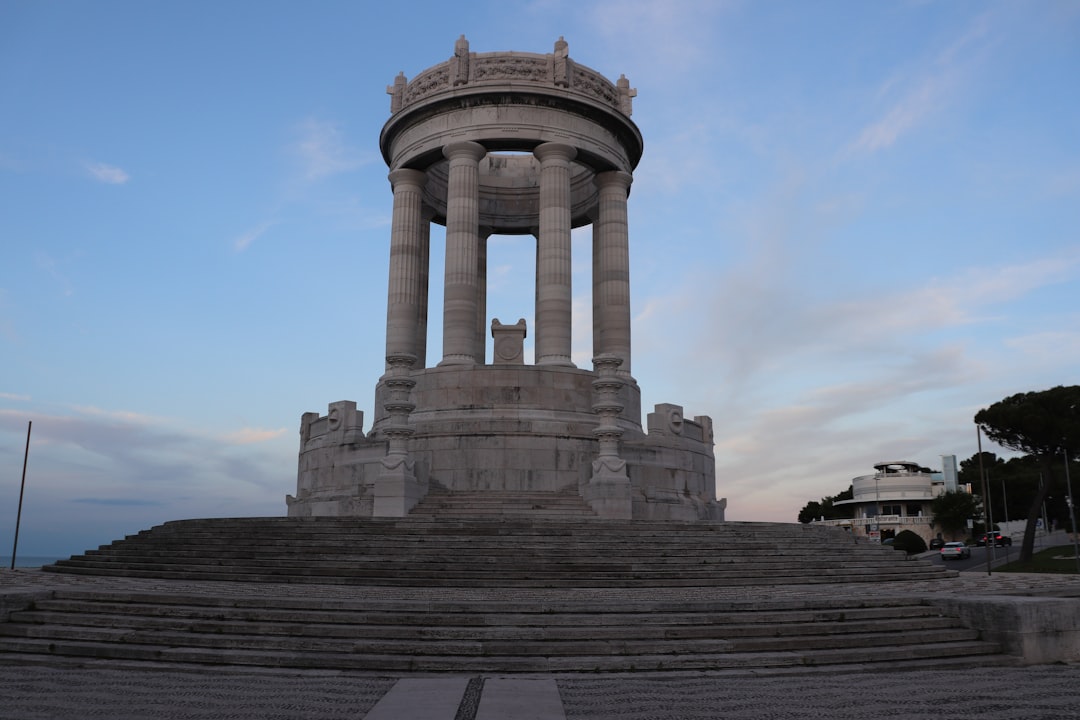

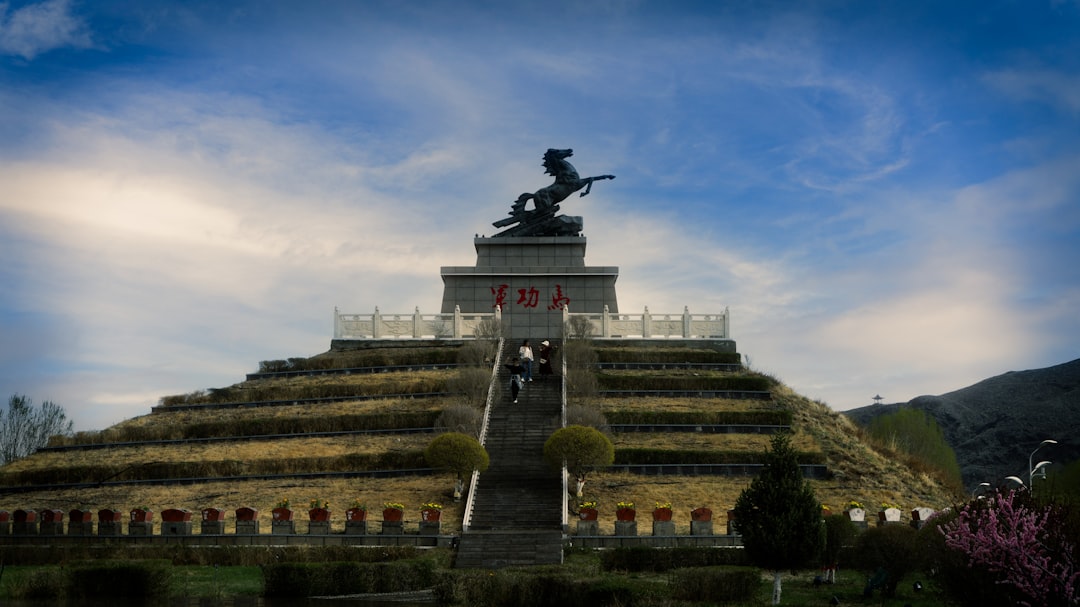
A massive figure of a miner stands against the Bolivian sky at over 3,700 meters above sea level, dominating the urban profile of Oruro with the silent strength of those who have dug the earth for generations. The Monument to the Miner is not simply a statue: it is a declaration of collective identity, a tribute in concrete and pigment to the working class that has built — and often consumed — this city of the Andean highlands.
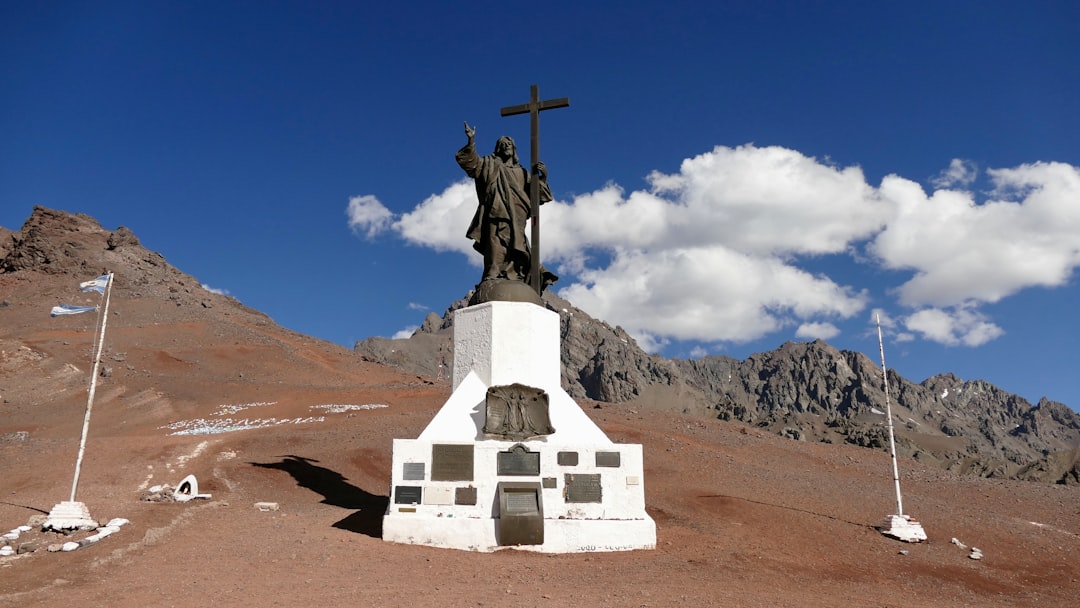
Oruro owes its historical existence to the silver and tin mines that for centuries have attracted workers from all over Bolivia. The monument reflects this heritage in a direct and unadorned way: the miner is depicted with the tools of the trade, the helmet, the pickaxe, the tense expression of one who knows the physical weight of underground work. Around the main figure, a series of ceramic installations of popular art introduces elements of indigenous Andean iconography, creating a visual dialogue between socialist realism — an artistic movement that has influenced many Bolivian public works of the twentieth century — and the figurative tradition of the Quechua and Aymara peoples.
A work that mixes styles and symbols
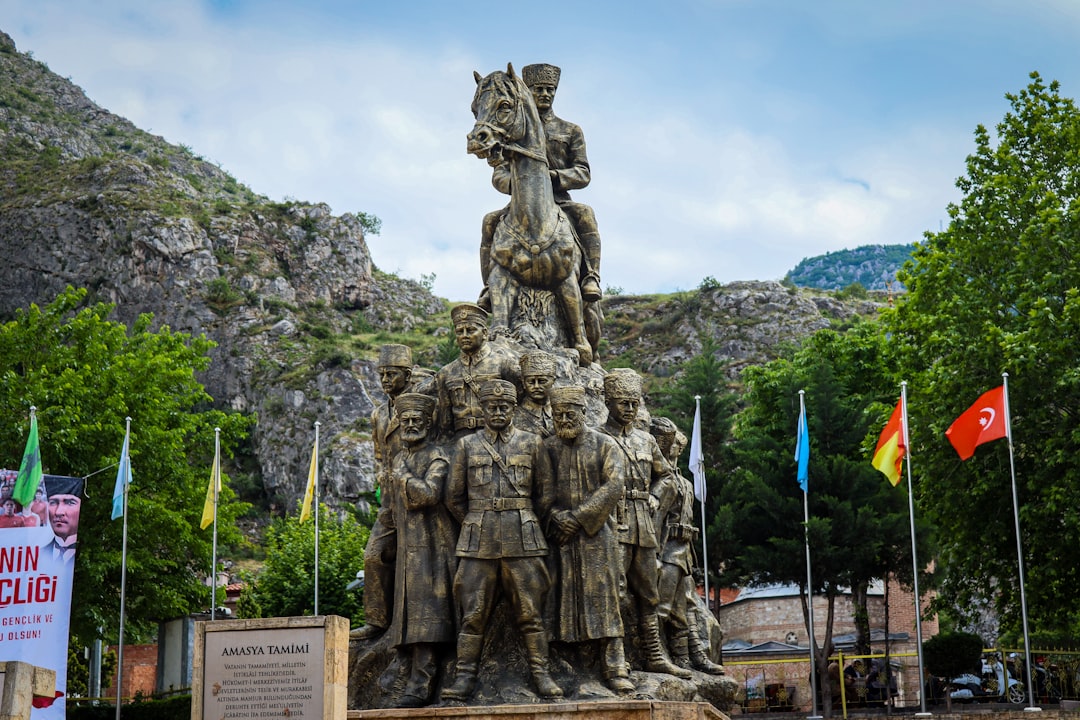
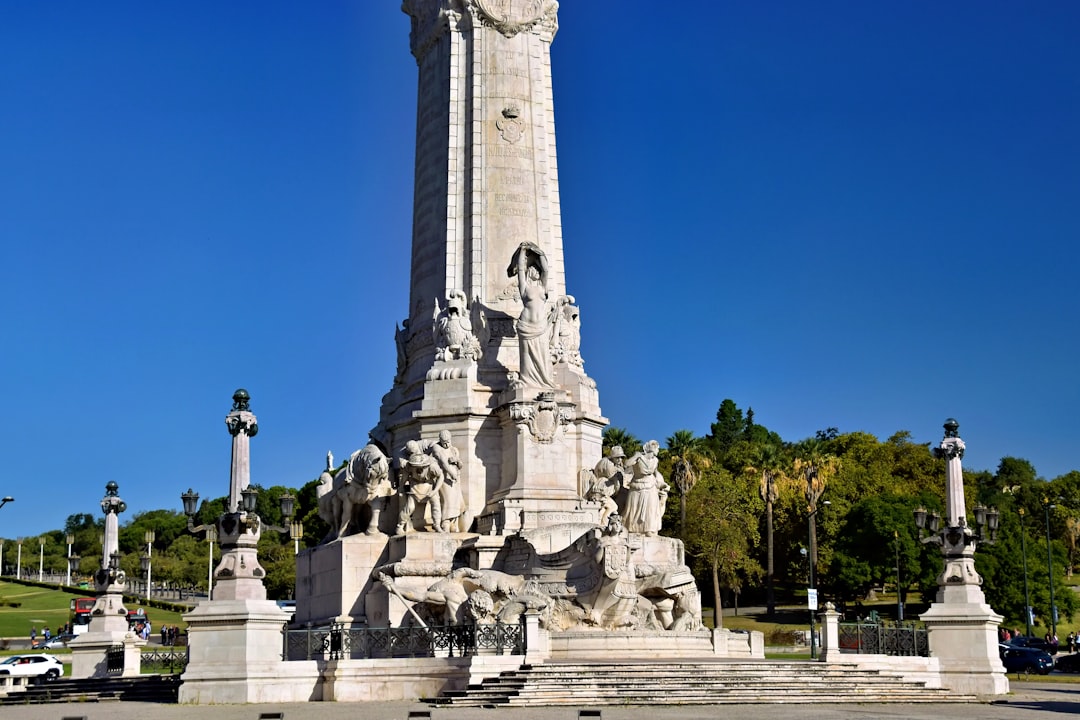
Observing the monument up close, one notices details that deserve attention. The ceramics arranged around the base of the main sculpture depict typical motifs of Andean culture: zoomorphic figures, spirals, representations of Pachamama (Mother Earth) and the sun, elements that also appear in the costumes of the famous Carnival of Oruro, recognized by UNESCO as Intangible Cultural Heritage of Humanity in 2001. This overlap of languages — European worker monumentalism and Bolivian popular ceramics — is rare and visually coherent, not a random juxtaposition.
The color palette of the ceramics is vibrant: reds, ochre yellows, cobalt blues that withstand the solar irradiation of the high plateau. The contrast with the gray of the main concrete sculpture creates a scenic effect that changes appearance depending on the daylight. At dawn and sunset, when the slanting light of the high plateau colors the surfaces orange, the whole gains an almost theatrical quality.
The historical and urban context of Oruro
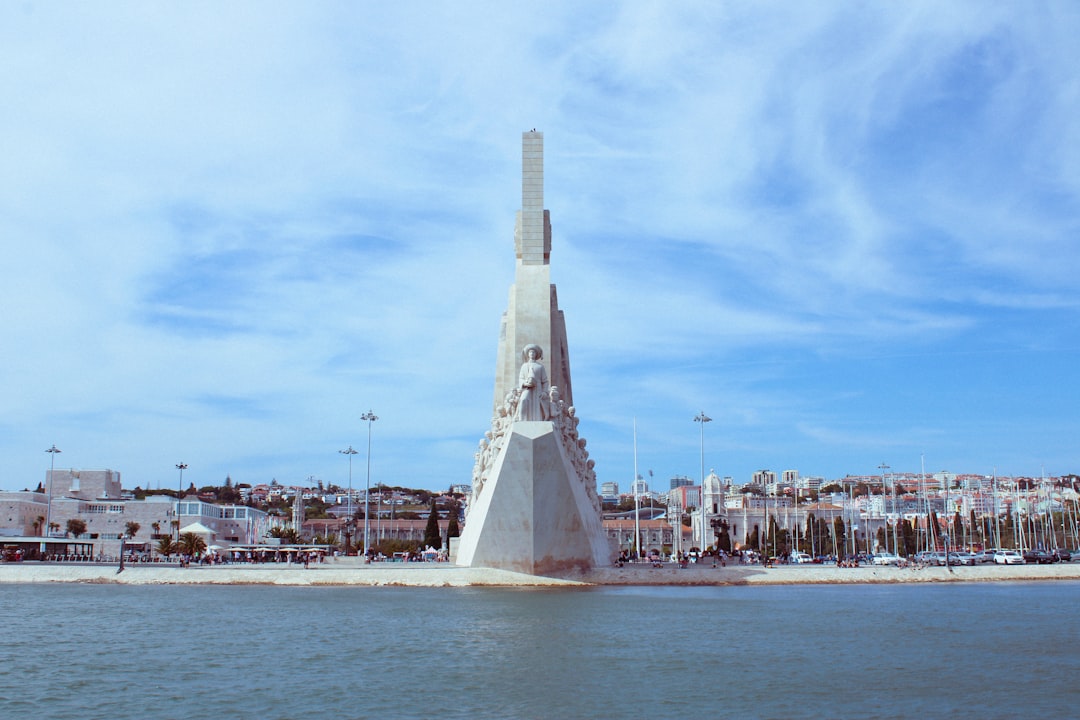
Oruro was officially founded by Spanish colonizers in 1606 under the name Villa de San Felipe de Austria, and its growth was closely linked to mining exploitation. In the twentieth century, with the rise of Bolivian labor movements and the National Revolution of 1952, the figure of the miner gained enormous political and symbolic weight: workers from the tin mines were protagonists of some of the most decisive pages of contemporary Bolivian history. The monument fits into this commemorative vein, which in Bolivia has produced numerous public works dedicated to labor and popular resistance.
The city itself offers a context that amplifies the visit. Oruro is not a polished tourist destination: it is a working city, with crowded markets, heavy traffic, and an authentic atmosphere that can disorient those arriving from more beaten paths. The monument is located in an urban area accessible on foot from the center, and walking there allows one to traverse neighborhoods that tell the daily life of the city much more than any museum.
How to visit the Miner Monument
Access to the monument is free and does not require a reservation. The site is open for visits during daylight hours; early in the morning, before traffic intensifies, offers the best conditions for photographing without distractions and enjoying the natural light on the ceramics. Bringing water is advisable: the altitude of Oruro, over 3,700 meters above sea level, requires constant hydration, especially for those coming from lower altitudes.
To reach Oruro from La Paz, the most convenient way is by intercity bus, with frequent routes and a travel time of about three hours. There is also a train connection, which is slower but scenic. Once in the city, the monument can be easily reached by taxi or on foot from the center. Spending between 30 and 60 minutes on the visit is sufficient to carefully observe both the main sculpture and the surrounding ceramic installations, without rushing. Those visiting Oruro during the Carnival period — usually between February and March — will find the city transformed, with the monument becoming a visual landmark for the parades and celebrations.
Why the trip is worth it
The Monument to the Miner is not an attraction to check off a list: it is a vantage point on how a society chooses to remember those who built its wealth. In a country where economic inequalities remain deep and where indigenous identity is still at the center of political debate, a work that combines working-class realism and Aymara ceramics says something specific about how Bolivia views itself. This, more than any statistical data, is the reason to stop in front of this concrete figure under the open sky of the high plateau.


