
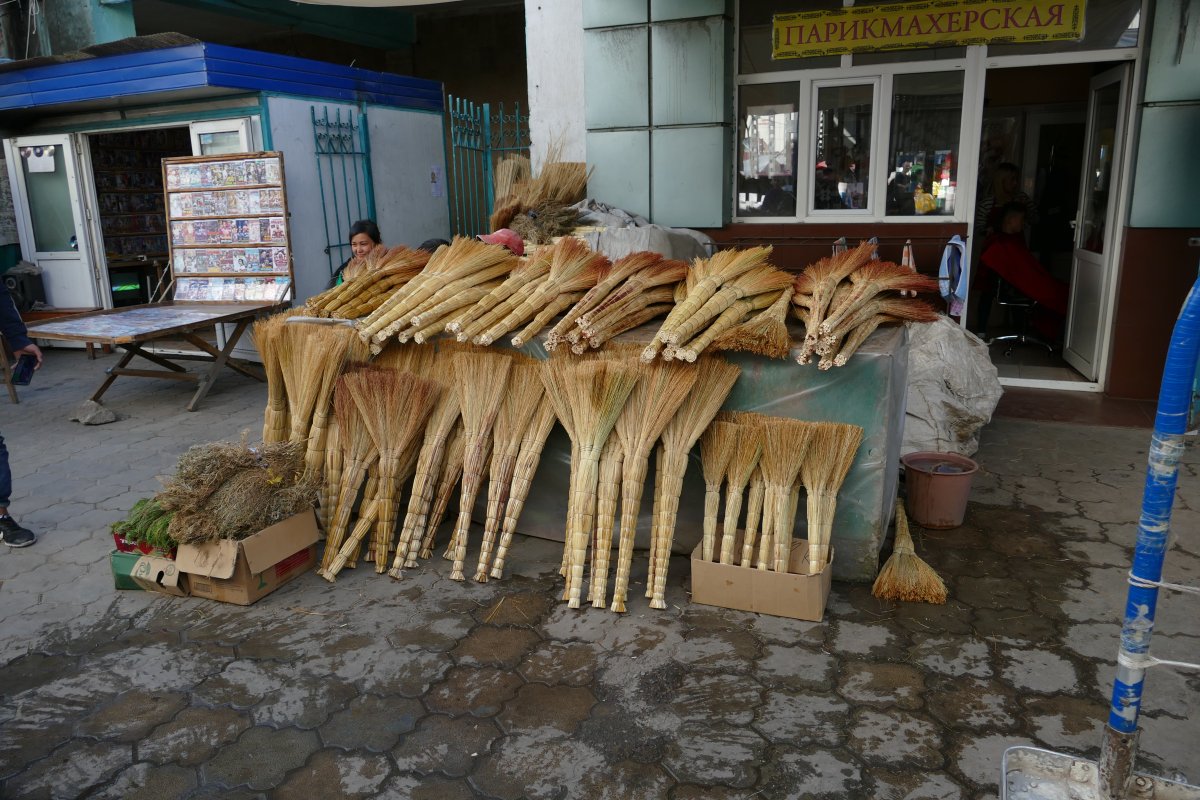

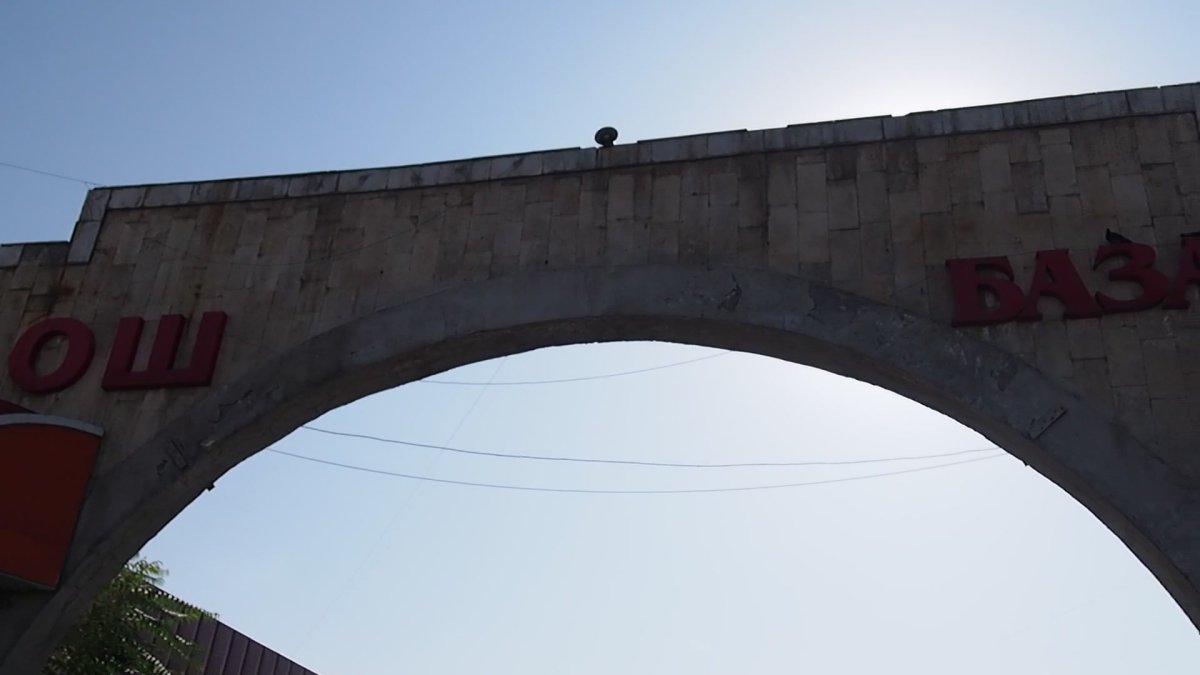
The smell arrives before everything else. A few dozen meters from the main entrance of Osh Bazaar, a breeze carries with it cumin, toasted coriander, dry hay, and something more animal-like, hard to define. It is the scent of a market that operates every day, selling things that people really need: saddles for horses, colored felt, fifty-kilogram sacks of rice, kumiss in recycled plastic bottles.

The Osh Bazaar is located in the western district of Bishkek, the capital of Kyrgyzstan, and takes its name from the city of Osh, in the south of the country, from which many of the merchants who animated it historically came. The market has existed in its current form for decades, but its roots go deep into the tradition of the bazaars of Central Asia that have served the caravans of the Silk Road for centuries. Today it occupies an area of several hectares and hosts hundreds of fixed and mobile stalls, with an internal division by sectors that those who go there for the first time learn to read only after getting lost at least once.
The colors of spices and felt
The spice sector is probably the most photographed, and for understandable reasons. The vendors — often women with the traditional kalpak or with scarves tightly tied around their heads — arrange their goods in perfect cones and pyramids: bright red paprika, yellow ochre turmeric, black pepper, blends of green tea with dried petals. The sacks are open, and touching the spices with fingers, smelling them, is part of the buying ritual. No one is offended if you taste before buying.
A little further on, the felt craft sector — the shyrdak — displays rugs and cushions with geometric patterns reminiscent of yurt decorations. Kyrgyz felt is handmade from local sheep wool, pressed and worked with hot water. The dominant colors are brick red, cobalt blue, and white, often combined in patterns that vary from region to region. Some vendors are artisans themselves and work on-site, which means you can see the product in its stages of processing.
The kumiss and market food
In a semi-covered area towards the center of the bazaar, rows of vendors offer fermented dairy products. The kumiss — fermented mare's milk, the national drink of Kyrgyzstan — is sold in bottles and jugs of various sizes. The taste is sour, slightly sparkling, with a low alcohol content that varies based on the degree of fermentation. Next to the kumiss are kymyz made from sheep's milk and kurut, balls of salty dried cheese that Kyrgyz children eat as a snack. Buying a cup of kumiss directly from a vendor and drinking it on the spot, standing up, is a tangible and authentic experience.
For those who are hungry, the cooked food stalls offer samsa — triangular pastries filled with meat and onion, baked in a tandoor oven — and dishes of lagman, a soup of handmade noodles with vegetables and meat. Prices are in Kyrgyz som and remain very affordable by European standards: a samsa costs a few som, a portion of lagman does not exceed two hundred.
The Horse Equipment Sector
One of the most unusual sections for a Western visitor is that dedicated to equestrian gear. Kyrgyzstan is a country where the horse still plays a central role in rural life and nomadic culture, and the market reflects this reality. Handcrafted leather saddles, bridles, wrought iron stirrups, braided whips, horse blankets with nomadic-style decorations can be found. Some vendors bring goods directly from rural provinces and do not speak Russian, only Kyrgyz, which makes communication more gestural than verbal.
This sector is also one of the few where the price is never fixed and bargaining is expected, not just tolerated. Offering half of the initial price is not rude: it is part of the local commercial language.
How to visit Osh Bazaar
The market is open every day, but the best time to visit is early in the morning, between 7:00 and 10:00, when the vendors arrive with fresh goods and the crowd has not yet reached its peak. Late afternoon, after 16:00, many stalls begin to dismantle. To get there from the center of Bishkek, you can take one of the many shared minibuses — called marshrutka — that travel along Manas Avenue heading west, or take a taxi with apps like Yandex Go, available in the city. The minimum time for a satisfying visit is two hours; three hours allow you to explore even the more peripheral areas. It is advisable to bring cash in som, as most vendors do not accept cards. A canvas bag or a large backpack is useful for shopping: plastic bags are available but are fragile and often chargeable.


