
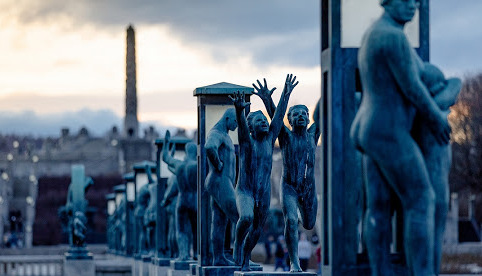

Nestled within the heart of Oslo, the Vigeland Sculpture Park stands as a monumental testament to the artistic genius of Gustav Vigeland, a place where art and nature merge seamlessly to tell the story of human experience. This extraordinary park, located in the larger Frogner Park, is the world’s largest sculpture park made by a single artist. It has captivated over a million visitors annually with its profound expressions of life and humanity.
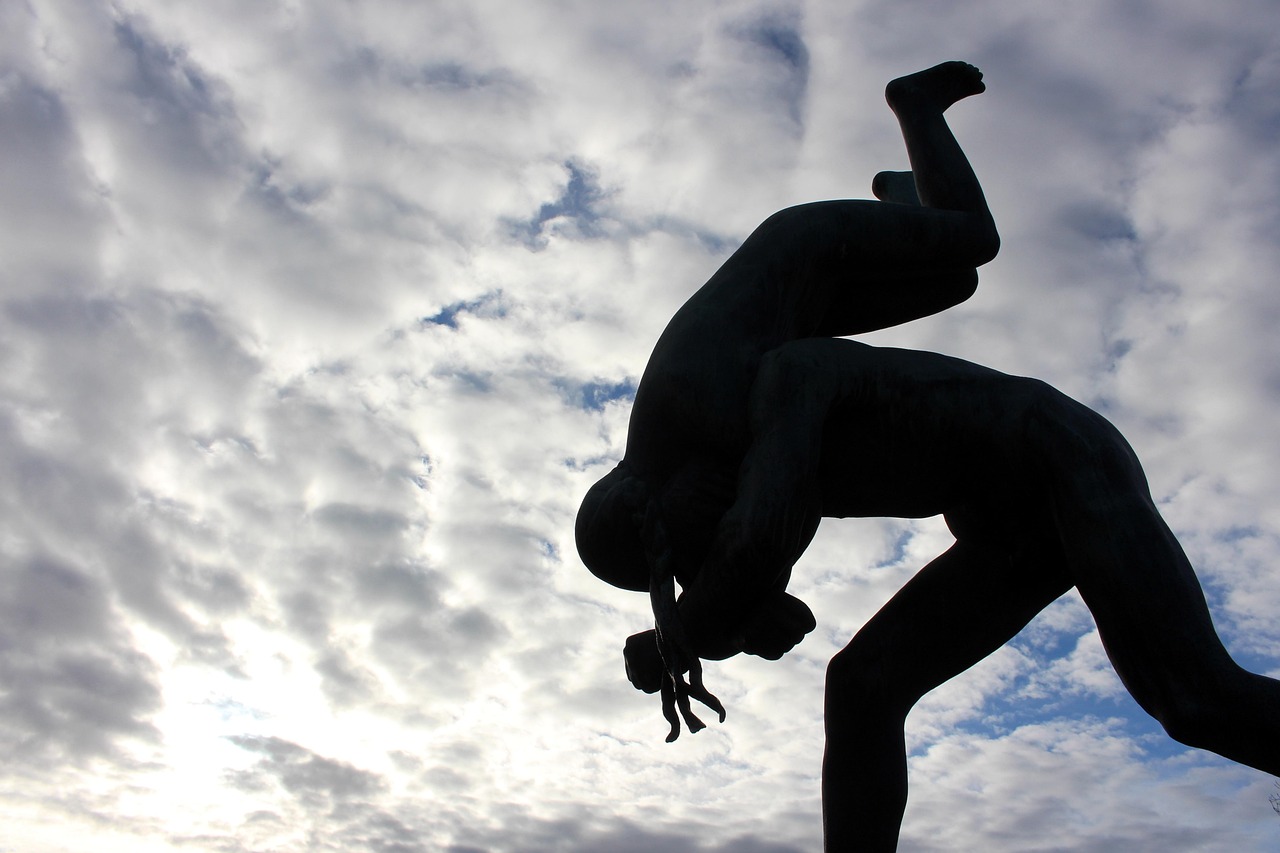
The history of Vigeland Sculpture Park is deeply intertwined with the life of Gustav Vigeland himself, a prolific Norwegian sculptor born in 1869. After a series of travels across Europe, where he became inspired by the works of great masters, Vigeland returned to Norway with a vision. In 1924, the Oslo City Council agreed to an unprecedented arrangement: they provided him with a studio and materials in exchange for his life’s work. Over the next two decades, Vigeland meticulously planned and crafted the park, completing over 200 sculptures before his death in 1943. The park was officially opened to the public in 1940, and it remains a central cultural landmark in Oslo.
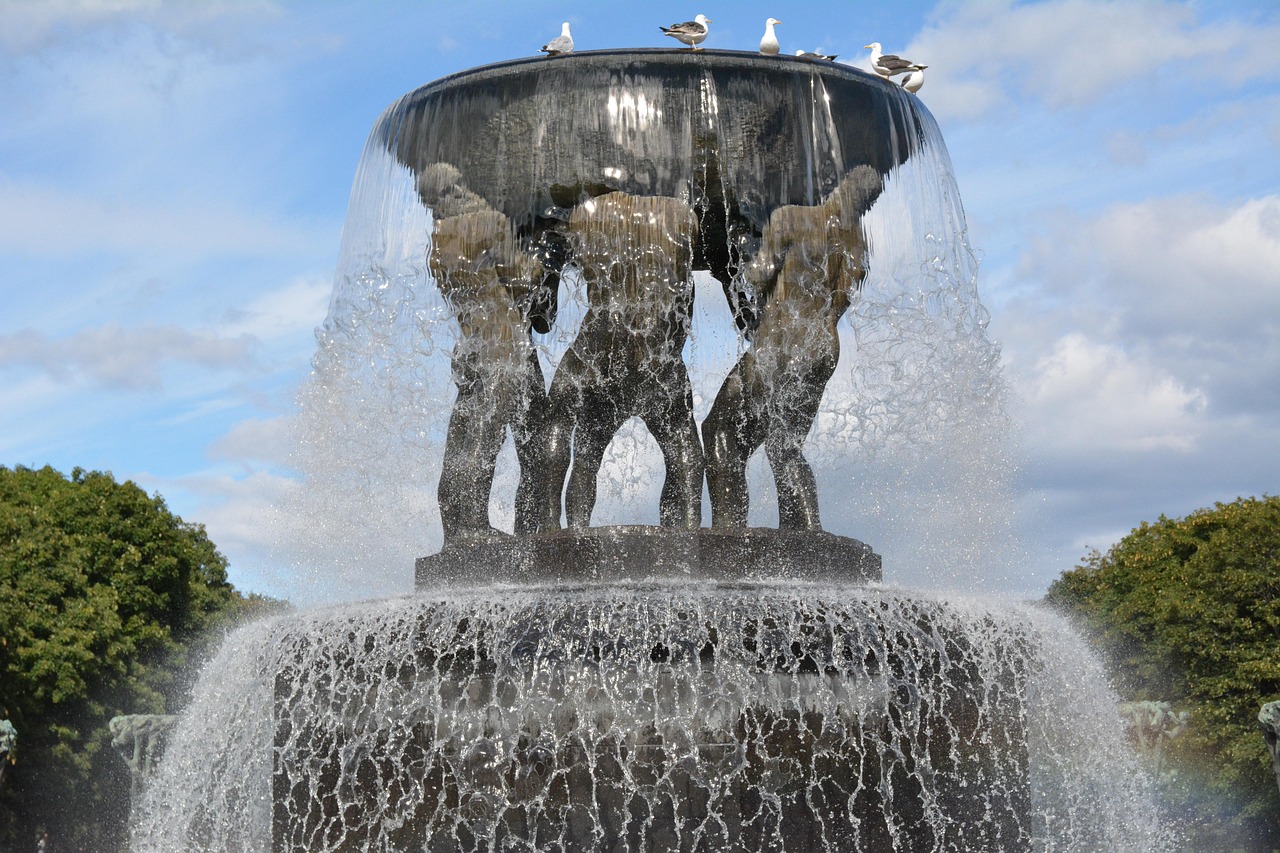
The artistic essence of Vigeland Sculpture Park is astonishingly diverse, comprising sculptures in bronze, granite, and wrought iron. The park's centerpiece is the Monolith Plateau, featuring the iconic Monolith, a towering 14-meter-high column carved from a single block of granite. This awe-inspiring structure is surrounded by 36 figure groups depicting the cycle of life. Nearby, the Fountain represents a dramatic narrative of life and death, while the Wheel of Life symbolizes eternity. These artworks are not just sculptures; they are profound statements on the human condition, each piece resonating with emotional depth and philosophical inquiry.
Culture in Oslo is deeply intertwined with its arts, and the Vigeland Sculpture Park holds a special place in the local cultural tapestry. While the city celebrates various festivals throughout the year, such as the Oslo Jazz Festival and Oslo Pride, the park itself is a year-round cultural hub. Locals often gather here for leisurely walks, picnics, or to simply reflect amidst the art. It’s a place where art becomes a living part of the community's daily life, fostering a deep sense of connection and shared heritage.
A visit to Oslo would be incomplete without indulging in the local gastronomy. While exploring the park, one might find nearby cafes offering traditional Norwegian delicacies. Try a plate of raspeballer, a type of potato dumpling, or savor the rich flavors of fårikål, a hearty lamb and cabbage stew considered Norway’s national dish. Don’t miss out on tasting brunost, the sweet, caramel-like cheese that Norwegians cherish, paired perfectly with a cup of freshly brewed coffee.
Beyond its well-trodden paths, Vigeland Sculpture Park harbors lesser-known curiosities that add layers to its charm. A lesser-known fact is that Vigeland designed not only the sculptures but also the layout of the park, down to the arrangement of every tree and pathway. Interestingly, the park's wrought iron gate, adorned with intricate designs, was also crafted by Vigeland himself. Another hidden gem includes the subtle carvings on the Bridge, which hosts 58 bronze sculptures, each telling unique stories that often go unnoticed by hurried visitors.
For those planning a visit, the best time to explore the park is during the late spring or early autumn when Oslo’s weather is mild, and the natural beauty of the park is in full bloom. Early morning or late afternoon visits provide a more serene experience, away from the midday crowds. As you wander, take time to observe the lesser-seen details: the play of sunlight and shadow on the sculptures, the quiet whispers of the trees, and the subtle sounds of the city merging with nature.
Whether you are an art aficionado or simply a curious traveler, Vigeland Sculpture Park offers an unparalleled journey through art, culture, and the very essence of life. It is a place where Gustav Vigeland's vision continues to inspire and provoke thought, inviting each visitor to find their own meaning amidst its timeless beauty.


