
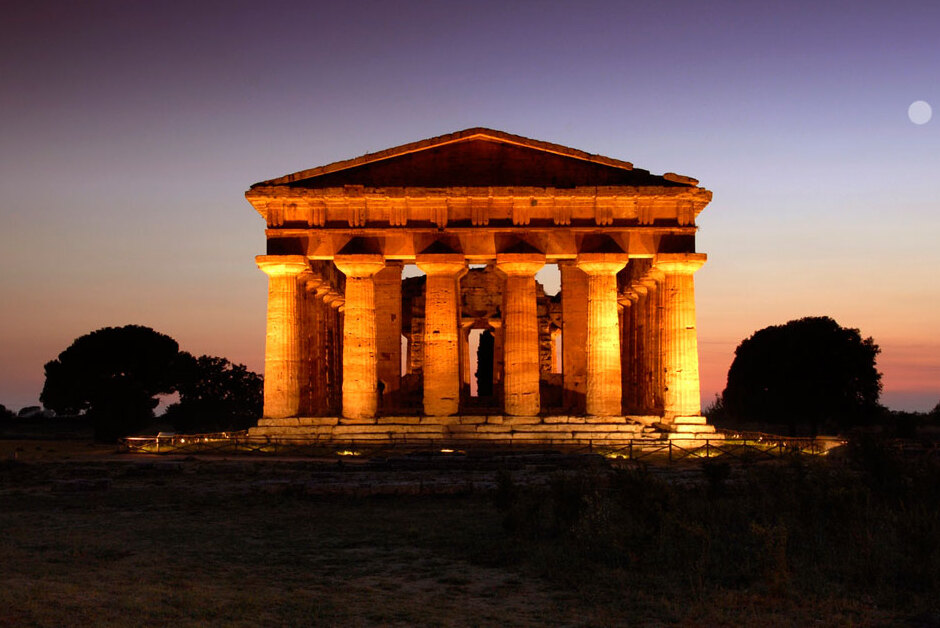

Steeped in rich history and grand architecture, Paestum offers visitors a glimpse into the ancient world. The jewel of this archaeological site is the Temple of Neptune, a monument that has captivated historians and travelers alike for centuries. Although commonly referred to as the Temple of Neptune, its true dedication is believed to be to Hera, the queen of the gods.
History and Origins
Founded in the 6th century BCE, Paestum was originally known as Poseidonia, named in honor of Poseidon, the Greek god of the sea. The city flourished under Greek colonization and later fell under Roman control in 273 BCE. Its strategic location along the coast fostered trade and cultural exchange, making it a vibrant hub in ancient times. The Temple of Neptune, constructed between 460 and 450 BCE, stands as a testament to this golden age.
Interestingly, by the 18th century, the temple’s grandiosity led scholars to believe it was dedicated to Poseidon, the city's patron deity. However, archaeological findings, including terracotta votive figurines representing female figures, suggest a dedication to Hera. A remarkable inscribed silver dish discovered in the sanctuary reinforces this notion, declaring, “I am sacred to Hera: strengthen our bows,” inviting visitors to ponder the mysteries of the past.
Art and Architecture
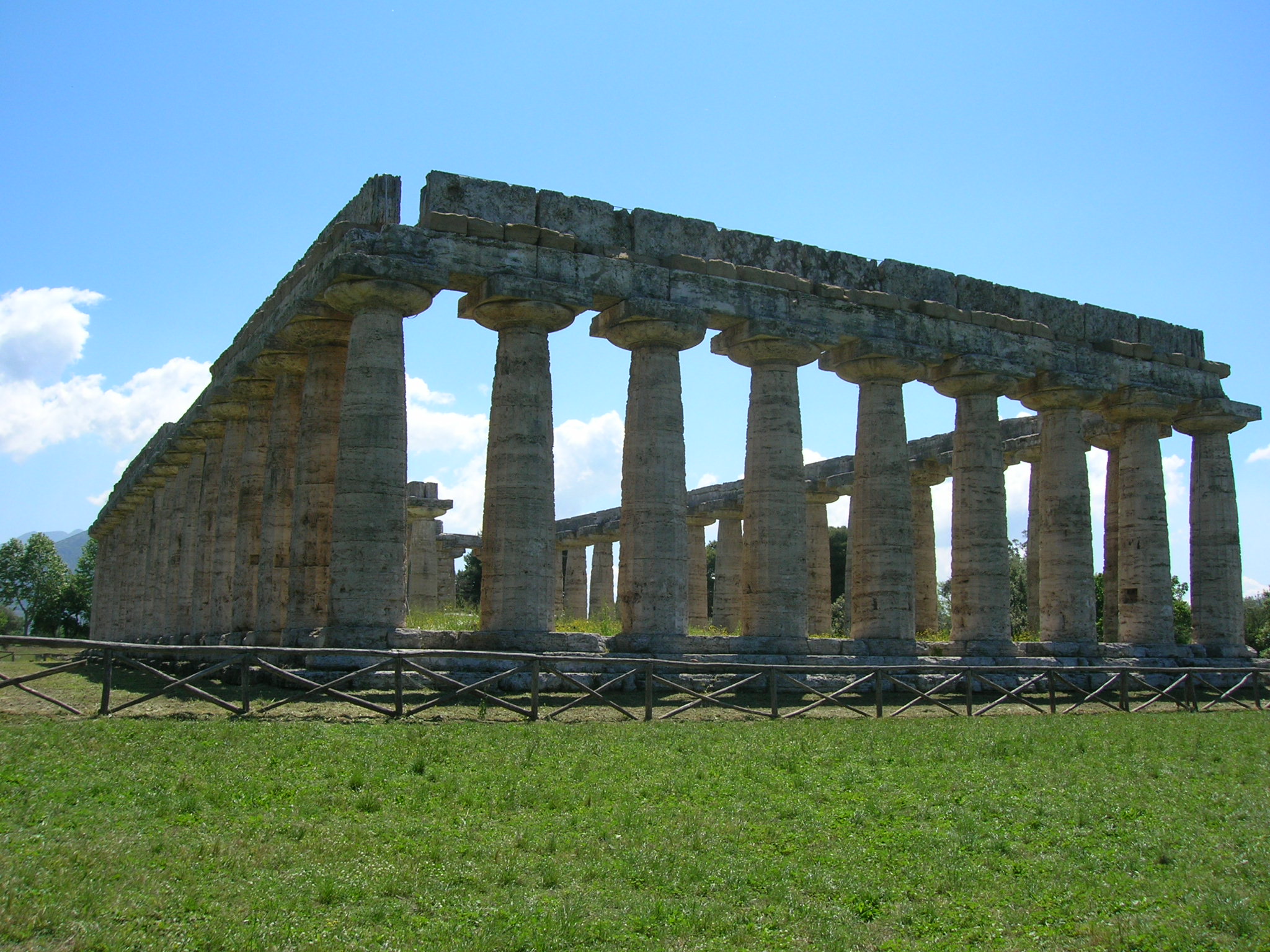
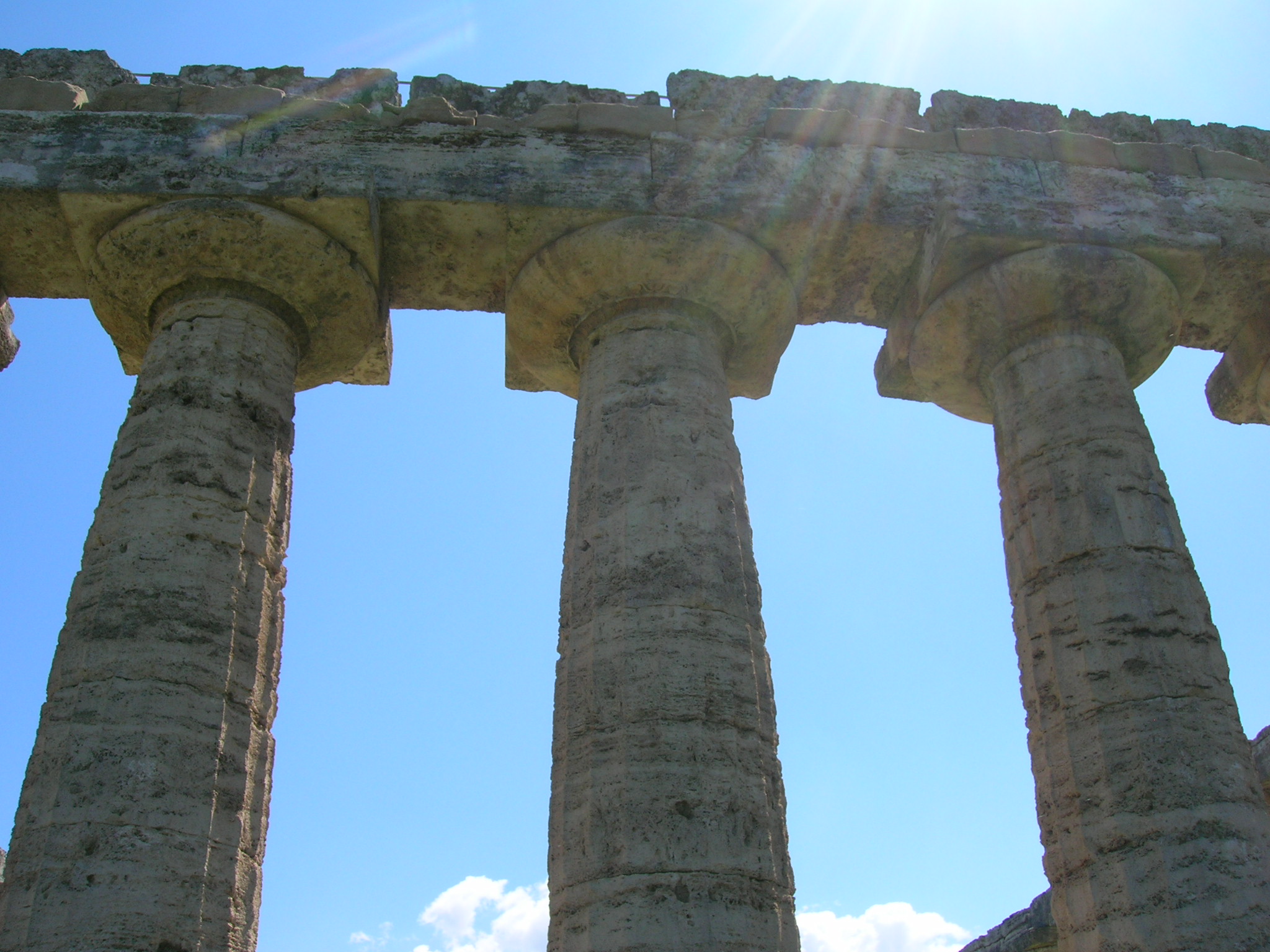
The Temple of Neptune is a paragon of Doric architecture, marked by its sturdy columns and grand proportions. With 36 imposing columns, it embodies the classical ideals of symmetry and proportion, standing proudly against the backdrop of the Italian sky. The temple measures 61 by 27 meters, making it one of the largest temples in the Greek world.
What sets this temple apart is its remarkable state of preservation. The original limestone used in its construction has weathered the centuries remarkably well, allowing modern visitors to appreciate its grandeur as the ancient Greeks once did. The friezes and sculptures, although weathered, still hint at the artistry that once adorned this sacred space, providing insight into the artistic achievements of the era.
Local Culture and Traditions
The culture of Capaccio Paestum is deeply intertwined with its ancient history. Local customs celebrate this heritage, notably through the Festival of Hera, which takes place in late June. This event draws visitors and locals alike, featuring reenactments of ancient rituals, traditional music, and dance, immersing everyone in the vibrant atmosphere of the past.
The surrounding region is also known for its Mozzarella di Bufala, a delicious cheese made from the milk of water buffalo. Local farms often welcome visitors for tastings and tours, showcasing the traditional methods of cheese-making that have been passed down through generations.
Gastronomy
When visiting Paestum, indulging in the local cuisine is a must. The area is renowned for its Mediterranean fare, primarily focusing on fresh ingredients. Traditional dishes such as spaghetti alle vongole (spaghetti with clams) and branzino al sale (sea bass baked in salt) reflect the coastal influences of the region.
Pair your meal with a glass of Falanghina or Greco di Tufo, two white wines produced in the nearby vineyards. These local wines, with their crisp and aromatic profiles, perfectly complement the vibrant flavors of the region's culinary offerings.
Lesser-known Curiosities
While the Temple of Neptune is undoubtedly the star attraction, there are lesser-known treasures within Paestum that often escape the notice of tourists. One such curiosity is the Paestum Museum, which houses a rich collection of artifacts, including exquisite frescoes and pottery that provide further context to the city’s history.
Another hidden gem is the nearby Basilica, which, despite its name, is an ancient temple dating back to the same period. Its sleek, unembellished style offers a stark contrast to the grandeur of the Temple of Neptune, showcasing the diversity of architectural expression in ancient Greece.
Practical Visitor Information
The best time to visit Paestum is during the spring (April to June) and early autumn (September to October). During these months, the weather is mild, and the crowds are thinner, allowing for a more intimate experience of this historical site.
When exploring the area, take your time to wander through the sprawling archaeological park, which is home to not only the Temple of Neptune but also the ruins of ancient homes, public spaces, and the well-preserved amphitheater. Don’t forget to wear comfortable shoes, as the terrain can be uneven.
To fully appreciate the depth of history and culture that Paestum offers, consider starting your visit at the Paestum Museum, where you can gather context before exploring the ruins.
For an enriching journey through Capaccio Paestum, you might find it helpful to use the Secret World app to create a personalized AI itinerary tailored to your interests.


