
← Back

Pakistan| Mohenjo Daro and an ancient civility

Mohenjo-daro, Larkana, Sindh, Pakistan ★★★★☆ 1,079 views
Alessia Drew
Mohenjo-daro
🏆 AI Trip Planner 2026

Get the free app

Discover the best of Mohenjo-daro with Secret World — the AI trip planner with 1M+ destinations. Get personalized itineraries, hidden gems and local tips. Free on iOS & Android.

🧠 AI Itineraries 🎒 Trip Toolkit 🎮 KnowWhere Game 🎧 Audio Guides 📹 Videos
Scan to download iOS / Android
Scan for AppGallery Huawei users

About Pakistan| Mohenjo Daro and an ancient civility

Pakistan| Mohenjo Daro and an ancient civility - Mohenjo-daro | Secret World Trip Planner

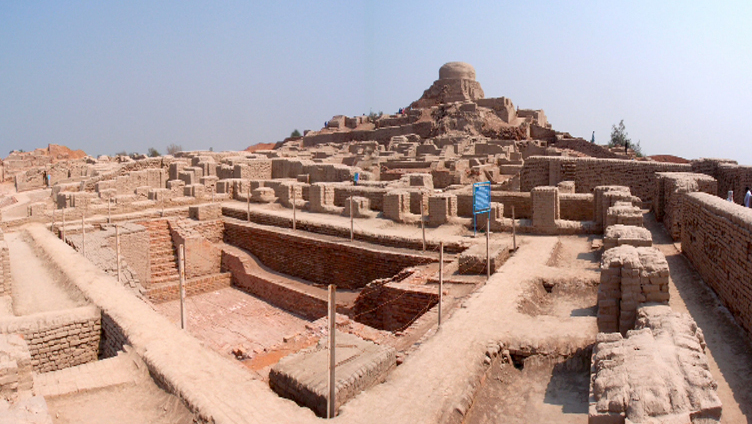
Mohenjo Daro is an archaeological site that still represents an exciting question, ancient seat of a civilization, whose causes of the sudden disappearance are ignored, which adopted a pictographic type of writing with a still unknown meaning and where cotton clothes were worn; the oldest discovered so far. Mohenjo Daro, a place where there are no tombs, is called the Hill of the Dead. It is the place of skeletons " extremely radioactive " (2). Skeletons, with traces of carbonization and calcination, now disappeared, which researchers have witnessed instantaneous and violent deaths. Remains of men, women and children, and not of warriors who died in battle. No weapons were found, and no human remains bear wounds produced by weapons of war. The locations and places where the bones were found indicate instantaneous deaths, which occurred without having the material time to realize what was happening; people were caught in the course of their usual daily actions. They went from sleep to death, along with dozens of elephants, oxen, dogs, horses, goats and deer. The city came back to light in 1921, when archaeologist Daya Harappa, from whom the discovered civilization took its name, was commissioned to recover the ruins of a Buddhist temple located on a small island in the middle of the Indus. Earlier in 1856, John and William Brunton, who were commissioned to build a section of railway, reported that there were ruins in the area from which numerous bricks were taken to build a railway embankment. The excavations, continued by the Pakistani government, have returned as many as seven cities, one on top of the other, and others would be found if excavations continued below river level. Seven cities that twin this hill with that of Troy. (Taken from Pleyades Library)

🗺 AI Trip Planner

Plan your visit to Mohenjo-daro

Suggested itinerary near Pakistan| Mohenjo Daro and an ancient civility

MAJ+
500.000+ travelers worldwide
  1. 🌅
    Morning
    Pakistan| Mohenjo Daro and an ancient civility
    📍 Mohenjo-daro
  2. ☀️
    Afternoon
    Mohenjo-daro ,one of the early settlements in the world
    📍 0 km · Mohenjo-daro
  3. 🌆
    Evening
    The ancient archaeological marvel of Mohenjo-Daro
    📍 0.3 km · Mohenjo-daro

Buy Unique Travel Experiences

Powered by Viator

See more on Viator.com

Explore nearby · Mohenjo-daro

Frequently Asked Questions

The causes of the civilization's sudden disappearance remain unknown, making it one of archaeology's greatest mysteries. Evidence suggests the inhabitants experienced instantaneous and violent deaths, with skeletons showing traces of carbonization and calcination, though no weapons or battle wounds were found on the remains.
Despite the absence of traditional tombs, Mohenjo Daro earned this name due to the discovery of numerous skeletons of men, women, and children found in positions indicating they died suddenly while performing daily activities. The radioactive nature of some skeletal remains and evidence of instantaneous deaths contributed to this mysterious designation.
The site was rediscovered in 1921 by archaeologist Daya Harappa while recovering ruins of a Buddhist temple on an island in the Indus River. Excavations have revealed seven cities stacked one on top of another, comparable to Troy, with more potentially awaiting discovery below river level, making it one of the world's most important archaeological sites.
The Mohenjo Daro civilization used a pictographic type of writing whose meaning remains unknown and is credited with producing the oldest discovered cotton clothes. These discoveries reveal a sophisticated and advanced civilization that thrived in ancient times along the Indus Valley.
Skeletons were found scattered throughout the city showing traces of carbonization and calcination, with remains of men, women, children, and numerous animals including elephants, oxen, dogs, horses, goats, and deer. The positioning of bones indicates people were caught mid-activity, suggesting a catastrophic event occurred without warning, though the exact cause remains unexplained.
