
← Back

Palace of the Vicars

50038 Scarperia FI, Italia ★★★★☆ 244 views
Stella Obama
Scarperia e San Piero
🏆 AI Trip Planner 2026

Get the free app

Discover the best of Scarperia e San Piero with Secret World — the AI trip planner with 1M+ destinations. Get personalized itineraries, hidden gems and local tips. Free on iOS & Android.

🧠 AI Itineraries 🎒 Trip Toolkit 🎮 KnowWhere Game 🎧 Audio Guides 📹 Videos
Download on the App Store Get it on Google Play
Scan to download Scan to download

About Palace of the Vicars

Palace of the Vicars - Scarperia e San Piero | Secret World Trip Planner

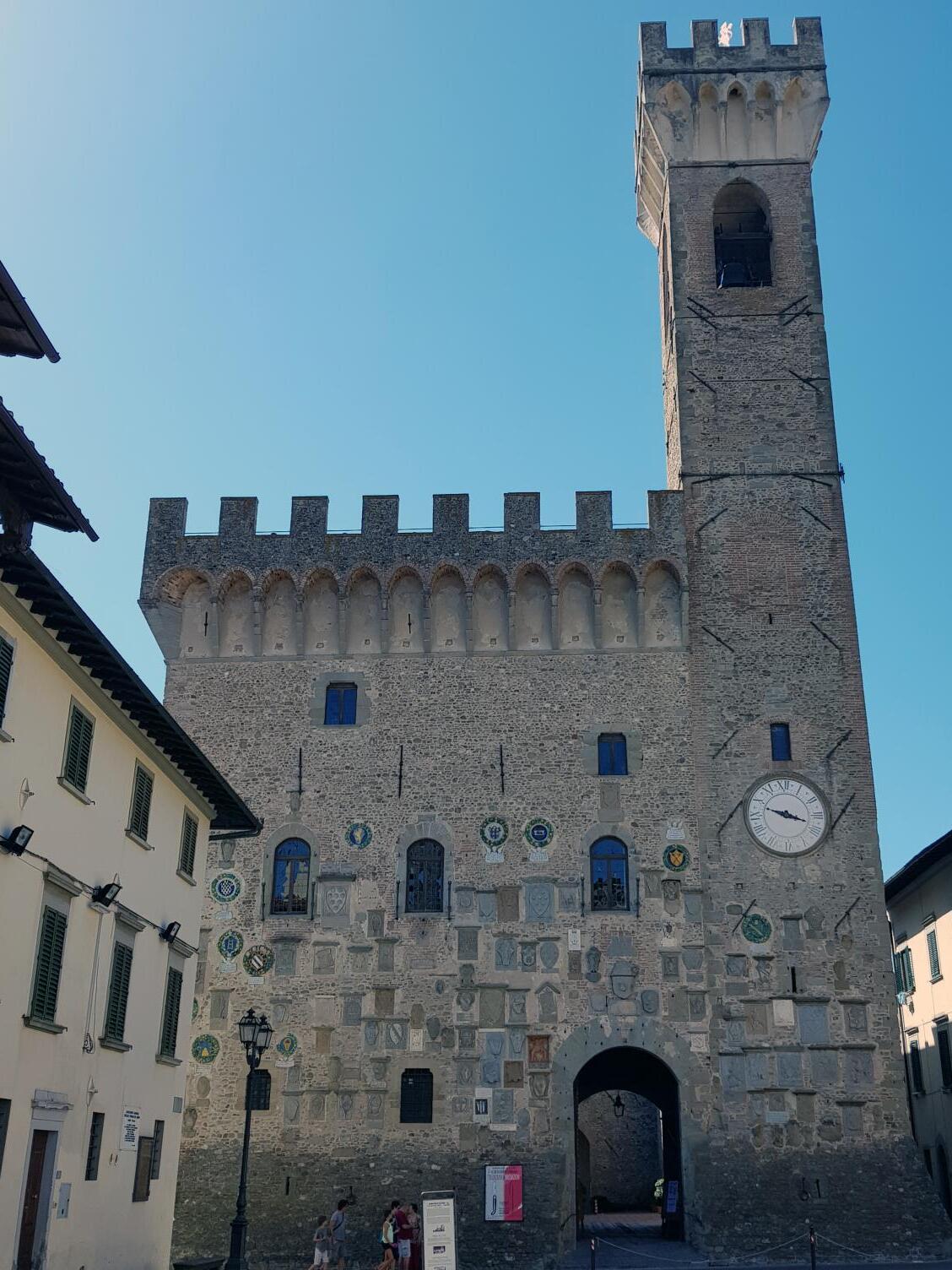
he Palazzo dei Vicari is the result of a process of successive growth around an original nucleus consisting of the tower. During the 14th century, a nucleus for the residence of the Captain must have been added to the tower; in 1366, numerous works were carried out on the castle, including "alla camera del cassero", "restoration" of the "saettamento" and "sula tore della guardia del chastagno si facino quattro merli che son disfatti e chaduti". The sixteenth century was a key moment in the configuration of the palace; following the earthquake of 1542 there was, in fact, extensive damage to the building, which was followed by restoration work that gave the palace a definitive arrangement, close to the present (at least as far as the Vicar's residence and the reception rooms are concerned). The reconstruction also led to the definitive arrangement of the prisons, housed in the vaulted rooms on the ground floor (now the loggia). Modifications and repairs continued to be carried out on the Palazzo during the 1600s, following a new seismic event which occurred on 8 September 1611. The repair work was completed in August 1612, and at the end of the intervention the palace had partly changed its appearance. Barbacani to reinforce the walls, a sloping roof on the façade, plastering of the façade, arrangement and curling of the large side wall towards Porta S. Agata, are the most evident works on the outside. With a few other changes, the palace assumed the morphological characteristics that remained unchanged until the middle of the nineteenth century, when the building was again affected by restoration work and changes. The damage caused by the 1960 earthquake, together with the precariousness of the foundation ground, were the subject of a demanding consolidation and restoration project (starting in 1980) which ended in 1999 with the recovery of the monumental rooms and the reconstruction of the north wing, which houses the Museum of Cutting Tools.
Palace of the Vicars - Scarperia e San Piero | Secret World Trip Planner
🗺 AI Trip Planner

Plan your visit to Scarperia e San Piero

Suggested itinerary near Palace of the Vicars

MAJ+
500.000+ travelers worldwide
  1. 🌅
    Morning
    Palace of the Vicars
    📍 Scarperia e San Piero
  2. ☀️
    Afternoon
    Poggio dei Medici Golf Club
    📍 1.8 km · Scarperia e San Piero
  3. 🌆
    Evening
    Dating back to 941, the Pieve di San lorenzo is the largest of the buildings in the area.
    📍 5.4 km · Scarperia e San Piero

Buy Unique Travel Experiences

Powered by Viator

See more on Viator.com

Explore nearby · Scarperia e San Piero

Frequently Asked Questions

The oldest part of the Palazzo dei Vicari is the original tower, which forms the nucleus of the entire structure. Around this tower, a residence for the Captain was added during the 14th century, beginning the palace's gradual expansion into the building we see today.
The 1542 earthquake caused extensive damage to the Palazzo dei Vicari, but the subsequent restoration work in the 16th century gave the palace its definitive arrangement that largely remains today. This reconstruction also led to the final configuration of the prisons, which were housed in vaulted rooms on the ground floor, now the loggia.
Following the September 8, 1611 earthquake, major repairs were completed by August 1612, including the addition of barbacani (reinforcing structures) to strengthen walls, a sloping roof on the façade, plastering, and rearrangement of the large side wall toward Porta S. Agata. These modifications significantly altered the palace's external appearance but established the characteristics it maintained until the mid-19th century.
Visitors can explore the monumental reception rooms of the Vicar's residence, which have been carefully recovered and restored, as well as the Museum of Cutting Tools housed in the reconstructed north wing. The palace also features the historic prisons located in the former ground floor vaulted rooms, now the loggia.
The most recent major restoration project ran from 1980 to 1999 to address damage from the 1960 earthquake and the precariousness of the foundation ground. This demanding consolidation and restoration work resulted in the recovery of the monumental rooms and the complete reconstruction of the north wing, which now houses the Museum of Cutting Tools.
