
← Back

Palazzo di Aranjuez

Pl. de Parejas, s/n, 28300 Aranjuez, Madrid, Spagna ★★★★☆ 405 views
Monica De Falco
Aranjuez
🏆 AI Trip Planner 2026

Get the free app

Discover the best of Aranjuez with Secret World — the AI trip planner with 1M+ destinations. Get personalized itineraries, hidden gems and local tips. Free on iOS & Android.

🧠 AI Itineraries 🎒 Trip Toolkit 🎮 KnowWhere Game 🎧 Audio Guides 📹 Videos
Scan to download iOS / Android
Scan for AppGallery Huawei users

About Palazzo di Aranjuez

Palazzo di Aranjuez - Aranjuez | Secret World Trip Planner

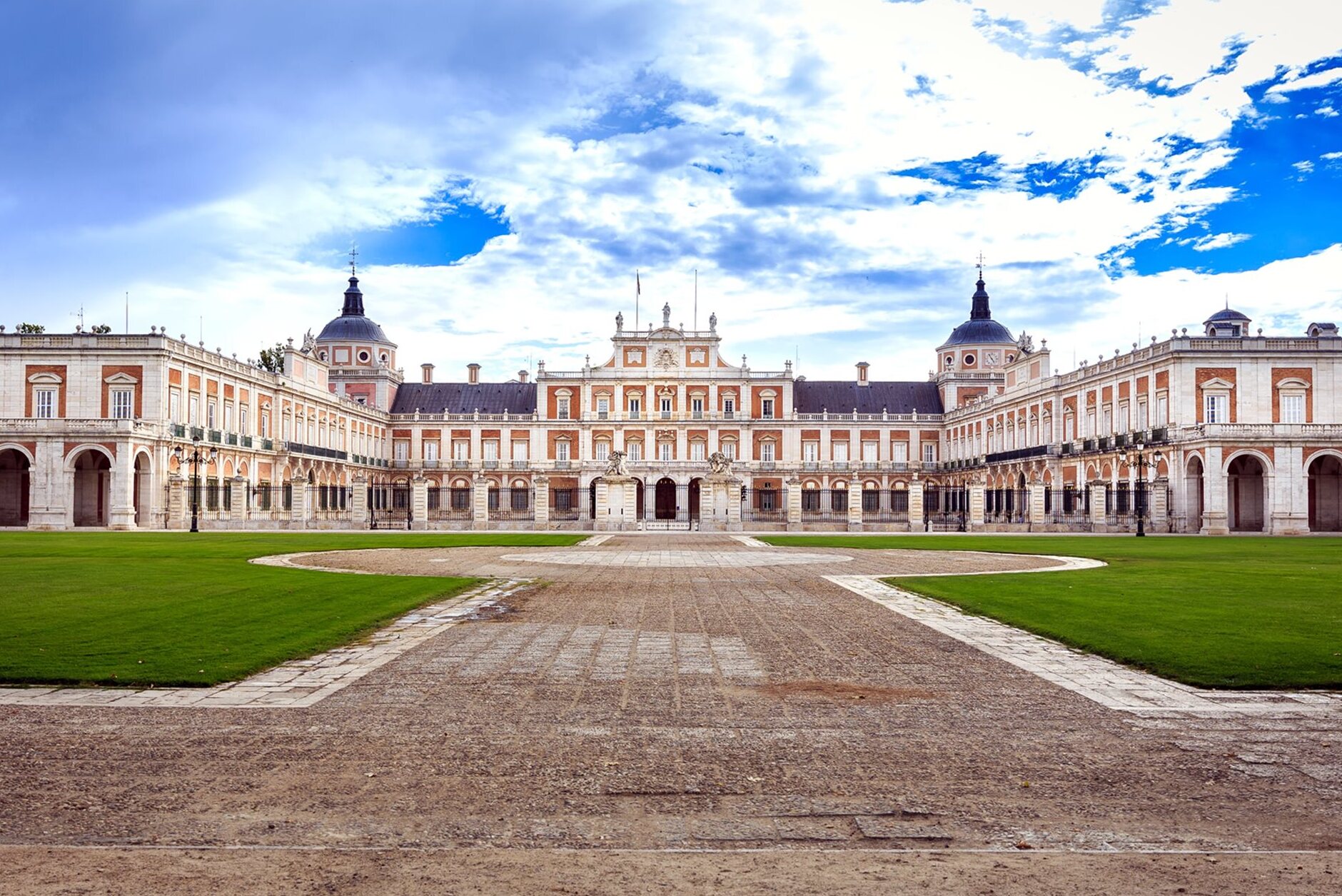
Durante secoli i re spagnoli trascorsero i mesi primaverili nel Palazzo di Aranjuez, per la sua posizione in una fresca e fertile prateria formata dalla confluenza del fiume Jarama nel fiume Tajo. Grazie ai suoi estesi e monumentali giardini, Aranjuez è stata dichiarata Paesaggio Culturale Patrimonio dell'Umanità dall'Unesco a dicembre del 2001. Filippo II, realizzando un vecchio progetto del padre, l'imperatore Carlo V, nel 1561 ordinò la sostituzione della vecchia residenza magistrale di Aranjuez con un nuovo edificio che è il precedente dell'attuale Palazzo Reale.
Palazzo di Aranjuez - Aranjuez | Secret World Trip Planner

Nel 1715, Filippo V prosegue i lavori e viene costruita tutta la struttura che forma l'attuale corpo del palazzo.

Tra il 1660 e il 1665, subisce gravi incendi e Fernando VI ne ordina la ricostruzione. Durante l'epoca di Carlo III vengono aggiunte due ali laterali che formano il corpo occidentale dell'edificio e che riflettono un'estetica alla francese. Nella sua decorazione si combinano motivi rococò, elisabettiani, cinesi e arabi. Con la stessa raffinatezza e attenzione con cui si costruì il Palazzo Reale, furono progettati, costruiti e decorati durante due secoli i giardini che lo circondano.

Palazzo di Aranjuez - Aranjuez | Secret World Trip Planner

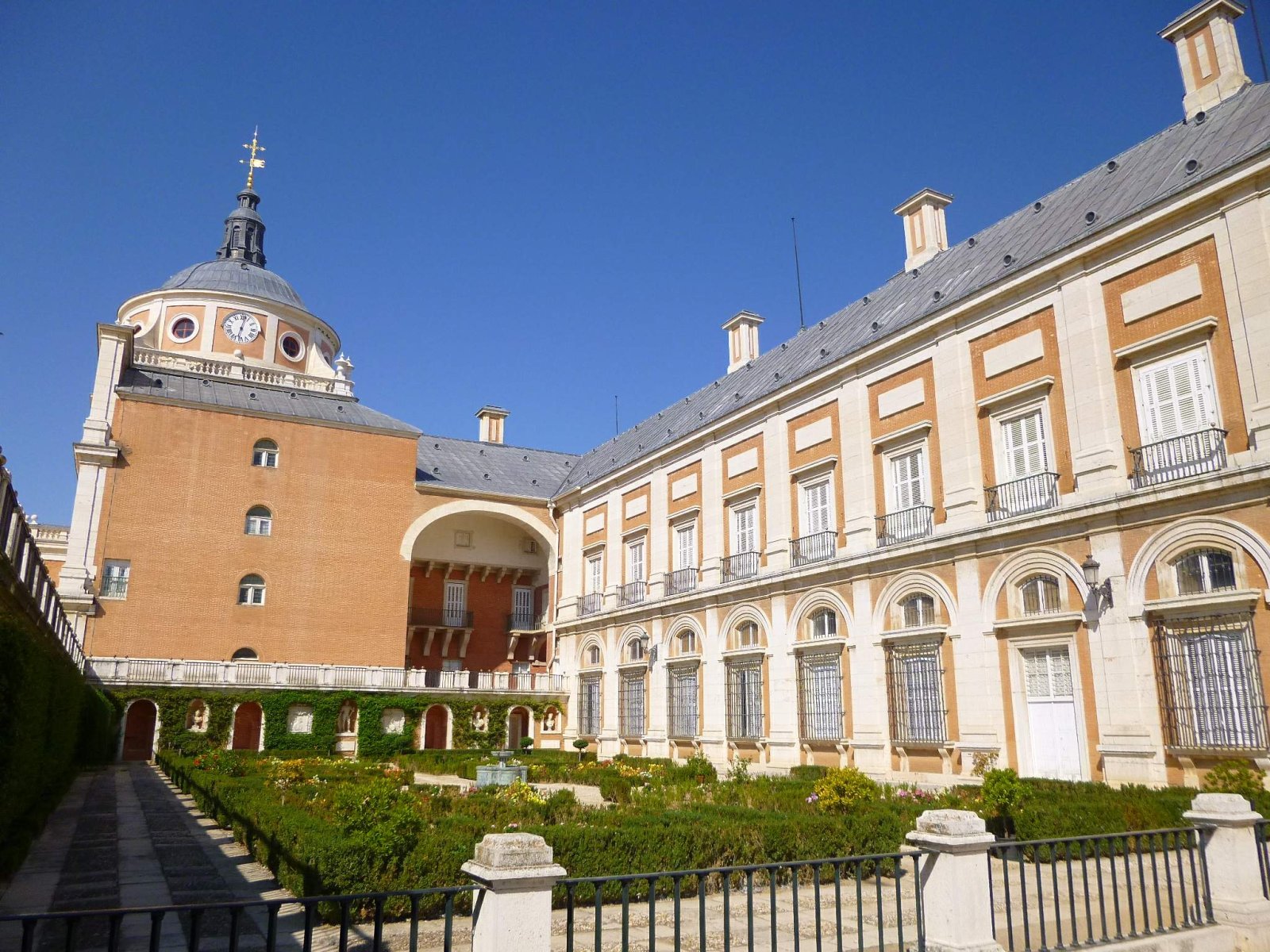
Seguendo il modello di Versailles si è voluto controllare la natura per trasformare il giardino in un'ulteriore sala del palazzo. Il Jardín de la Isla dispone di una splendida zona alberata, grandi viali e numerose fontane di pietra e marmo dedicate a personaggi e scene della mitologia greca. Nella parte opposta troviamo il Jardín del Parterre, in cui spicca una grande abbondanza e varietà di fiori. Il Jardín del Príncipe –il più grande di tutti– presenta delle larghe vie e differenti specie di alberi. Proseguendo fino in fondo troviamo la Casa del Labrador, una delle costruzioni più pregiate della dinastia borbonica. Nelle immediate vicinanze della banchina c'è il Museo de las Falúas, dove si possono ammirare le lussuose imbarcazioni che navigarono lungo il Tajo e che appartennero a Carlo IV, Fernando VII e Alfonso XII.

🗺 AI Trip Planner 2026

Plan your visit to Aranjuez

Suggested itinerary near Palazzo di Aranjuez

MAJ+
500.000+ travelers worldwide
  1. 🌅
    Morning
    Palazzo di Aranjuez
    📍 Aranjuez
  2. ☀️
    Afternoon
    Concierto de Aranjuez and the Palacio Real
    📍 0.1 km · Aranjuez
  3. 🌆
    Evening
    Aranjuez
    📍 0.8 km · Aranjuez

Buy Unique Travel Experiences

Powered by Viator

See more on Viator.com

Explore nearby · Aranjuez

Frequently Asked Questions

Spanish kings spent their spring months at the Palace of Aranjuez because of its location in a cool and fertile meadow formed by the confluence of the Jarama River into the Tajo River. The pleasant climate and natural surroundings made it an ideal seasonal retreat for the royal family.
Aranjuez was declared a Cultural Landscape UNESCO World Heritage Site in December 2001, largely due to its extensive and monumental gardens. This recognition honors both the architectural palace and the carefully designed landscape surrounding it.
The palace is surrounded by four major gardens: the Jardín de la Isla features beautiful trees and mythological fountains, the Jardín del Parterre showcases abundant flowers, and the Jardín del Príncipe is the largest with wide avenues and diverse tree species. At the end of the latter garden stands the Casa del Labrador, one of the finest Bourbon dynasty buildings, and the Museo de las Falúas displaying luxurious royal boats.
The palace decoration combines Rococo, Elizabethan, Chinese, and Arab motifs, reflecting the refined taste of Spanish royalty across centuries. The western wings added during Charles III's reign display French aesthetic influences, following the model of Versailles.
Philip II ordered the construction of the current palace in 1561, replacing an older residence and fulfilling his father Emperor Charles V's earlier project. Subsequently, Philip V continued the work in 1715, constructing the structure that forms the palace's main body, while Ferdinand VI ordered its reconstruction after serious fires between 1660-1665.