
← Back

Palazzo Pitti and the Boboli Gardens

Piazza de' Pitti, 1, 50125 Firenze FI, Italia ★★★★☆ 577 views
Sara Miles
Firenze
🏆 AI Trip Planner 2026

Get the free app

Discover the best of Firenze with Secret World — the AI trip planner with 1M+ destinations. Get personalized itineraries, hidden gems and local tips. Free on iOS & Android.

🧠 AI Itineraries 🎒 Trip Toolkit 🎮 KnowWhere Game 🎧 Audio Guides 📹 Videos
Download on the App Store Get it on Google Play
Scan to download Scan to download
Palazzo Pitti  and the Boboli Gardens  - Firenze | Secret World Trip Planner

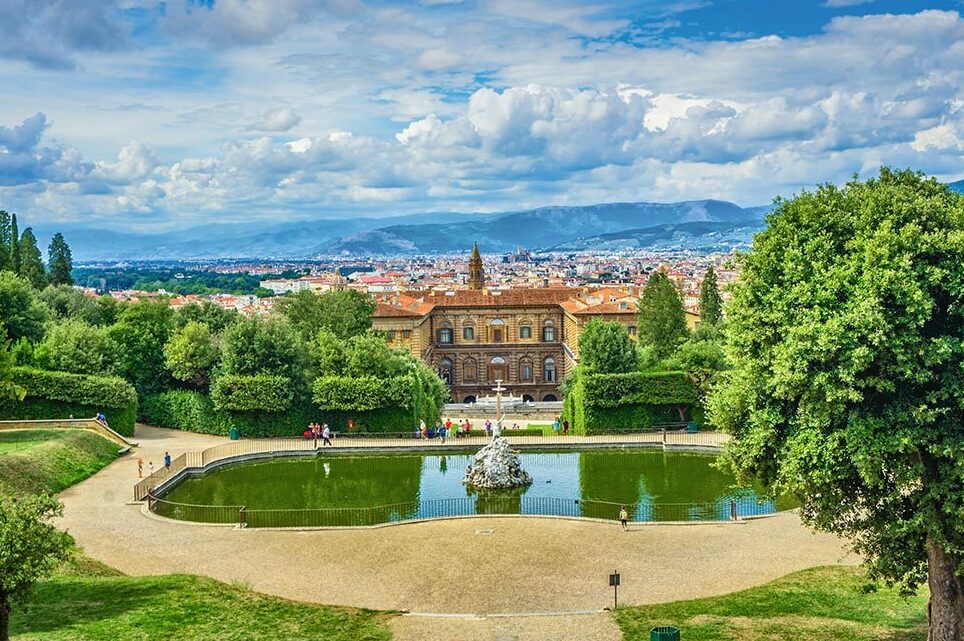
Nestled at the foot of the Pitti Palace in Florence, the Boboli Gardens are not just a beautiful park; they are a masterpiece of Italian garden design that tells a story of beauty, power, and art. Spanning a remarkable 45,000 square meters, this lush green expanse seamlessly connects the grandeur of the palace with the historical Forte Belvedere, creating a living canvas of landscape architecture.

Palazzo Pitti  and the Boboli Gardens  - Firenze | Secret World Trip Planner

### History and Origins The Boboli Gardens date back to the 16th century, commissioned by Cosimo I de' Medici, the Grand Duke of Tuscany. Initially designed as a private retreat for the Medici family, the gardens were transformed from a simple Italian villa garden into a grandiose landscape by Niccolò Pericoli, known as Il Tribolo. His vision was realized in 1549, and over the years, the gardens evolved, incorporating elements from different eras and styles. Significant expansions occurred under various Medici rulers, particularly during the reign of Ferdinand I, who added fountains, sculptures, and the famed Viottolone pathway lined with cypress trees. This historical backdrop makes the gardens not just a visual feast but also a chronicle of Florentine aristocracy.

### Art and Architecture The architectural layout of the Boboli Gardens is quintessentially Italian, reflecting the Renaissance ideals of symmetry and harmony with nature. Visitors are greeted by a horseshoe-shaped amphitheater, an impressive feat of engineering that ascends the hillside, offering stunning views of the palace and the city beyond. The gardens are dotted with statues, fountains, and grottos that showcase the artistic prowess of the period. Notable works include the Fountain of Neptune, a striking centerpiece, and the Grotta del Buontalenti, a surreal grotto adorned with intricate decorations and sculptures. Each corner of the garden reveals a piece of art that enhances its aesthetic appeal, making it a living gallery of Renaissance artistry.

Palazzo Pitti  and the Boboli Gardens  - Firenze | Secret World Trip Planner

### Local Culture and Traditions The Boboli Gardens serve as a cultural hub, reflecting the traditions of Florence. Throughout the year, various events take place here, including concerts, art exhibitions, and theatrical performances that celebrate local talent and heritage. The gardens have also been the backdrop for numerous festivals, such as Festa della Rificolona, a lantern festival held in September, where locals carry beautifully lit lanterns through the city, culminating in a vibrant celebration within the gardens. This blend of culture and nature underscores the gardens’ role as an essential part of Florentine life.

### Gastronomy While the Boboli Gardens themselves do not offer dining options, the nearby area is rich with culinary delights that reflect the heart of Tuscan cuisine. Visitors can savor traditional dishes such as Pici cacio e pepe, a hand-rolled pasta served with cheese and pepper, or indulge in a slice of Schiacciata, a type of flatbread sprinkled with olive oil and salt. Pair these dishes with a glass of Chianti, a renowned local wine, to truly immerse oneself in the gastronomic culture of Florence. Local trattorias and cafes in the vicinity often serve these delicacies, making it easy to enjoy a meal after a stroll through the gardens.

### Lesser-Known Curiosities Beyond the well-trodden paths of the Boboli Gardens, several hidden gems await discovery. Many visitors overlook the Porcelain Museum, housed in the Palazzina della Meridiana, which showcases exquisite porcelain pieces from the 18th century, a testament to the Medici's patronage of the arts. Additionally, the gardens are home to the Kaffeehaus, a whimsical structure designed in the 18th century, which offers breathtaking views of Florence and the surrounding hills. These lesser-known spots provide a deeper understanding of the gardens' historical significance and artistic value.

### Practical Visitor Information The best time to visit the Boboli Gardens is during the spring and fall, when the flowers bloom vibrantly and the weather is pleasant for walking. To fully appreciate the gardens, aim to arrive early in the day or later in the afternoon to avoid the crowds and enjoy a more tranquil atmosphere. Be sure to wear comfortable shoes, as the gardens cover a vast area with various terrains. Don’t miss the opportunity to explore the Silver Museum and the Costume Gallery, both located within the Pitti Palace, to complement your experience with a taste of Italian fashion and history.

In conclusion, the Palazzo Pitti and the Boboli Gardens offer visitors a unique blend of art, history, and natural beauty that is quintessentially Florentine. Each visit can unfold new stories and experiences, making it a destination worth exploring multiple times. For a personalized experience to navigate the treasures of Florence, consider using the Secret World app to plan your itinerary.

🗺 AI Trip Planner

Plan your visit to Firenze

Suggested itinerary near Palazzo Pitti and the Boboli Gardens

MAJ+
500.000+ travelers worldwide
  1. 🌅
    Morning
    Palazzo Pitti and the Boboli Gardens
    📍 Firenze
  2. ☀️
    Afternoon
    Florence | Fashion and Costume Museum of Palazzo Pitti
    📍 0.2 km da Firenze
  3. 🌆
    Evening
    Palatina Gallery , Florence
    📍 0.3 km da Firenze

Buy Unique Travel Experiences

Powered by Viator

See more on Viator.com

Explore nearby · Firenze
