
🎄 Win a month in Italy for two — €10,000 · The Secret Italy Prize GO →
Pallimunai's Baobab Tree — Mannar
← Back
Other 📍 Mannar, Sri Lanka 195 views

Pallimunai's Baobab Tree

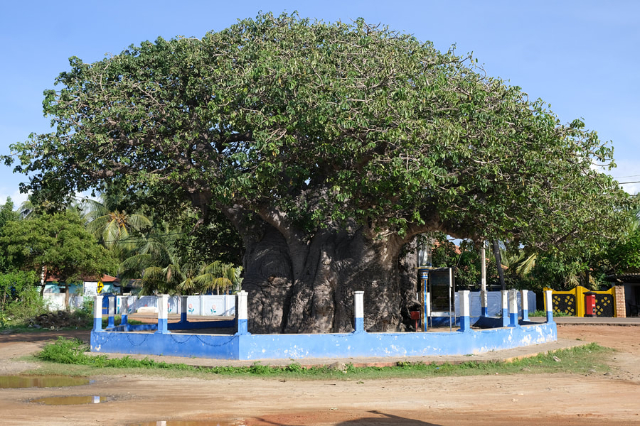
The Pallimunai Baobab tree is one of the unique natural attractions in the Mannar region of Sri Lanka. This majestic Baobab tree is known for its extraordinary presence and thousand-year history.The Baobab tree, scientifically known as Adansonia, is native to Africa but is also f...

Photo · Sonia M.

Pallimunai's Baobab Tree — Mannar, Sri Lanka.

Location
Mannar
Type
Other
Opening hours
Weather now
↗ Directions

About Pallimunai's Baobab Tree

Pallimunai's Baobab Tree - Mannar | Secret World Trip Planner

The Pallimunai Baobab tree is one of the unique natural attractions in the Mannar region of Sri Lanka. This majestic Baobab tree is known for its extraordinary presence and thousand-year history.The Baobab tree, scientifically known as Adansonia, is native to Africa but is also found in parts of Asia, including Sri Lanka. The Baobab tree in Pallimunai is one of the few specimens of this species found on the island.The Baobab tree is unique for its distinctive shape, with a massive trunk and a crown that seems somewhat disproportionate to the trunk. It is also known as the "upside-down tree" because it looks as if the roots are pointing upward.The Pallimunai Baobab is a local icon and a symbol of the history and culture of the Mannar region. It is said to be more than 700 years old and is considered one of the oldest Baobab trees in Sri Lanka.The Baobab tree has both historical and cultural importance to the local community. It is considered sacred by many people and is revered as a place of prayer and offerings.A visit to the Baobab tree in Pallimunai offers a unique experience as it provides an up-close view of one of Sri Lanka's most iconic and striking trees. You can explore the surrounding area, appreciate the magnificence of the tree and take the opportunity to learn about the culture and history of the local community.However, it is important to show respect for the tree and its surroundings during your visit. It is advisable not to damage the tree or the surrounding area and to follow local directions to ensure the preservation of this valuable natural heritage.A visit to the Pallimunai Baobab Tree is a fascinating experience for those who enjoy nature, history, and culture, offering an opportunity to connect with the beauty and uniqueness of Sri Lanka's flora.

Frequently Asked Questions

The Pallimunai Baobab tree is estimated to be more than 700 years old, making it one of the oldest Baobab trees found on the island. This ancient tree has witnessed centuries of history and is considered a significant natural heritage site in the Mannar region.
The Baobab tree is nicknamed the 'upside-down tree' because of its distinctive appearance, featuring a massive trunk with a crown that seems disproportionate to its size, creating the visual illusion that the roots are pointing upward. This unique silhouette makes it one of nature's most striking and recognizable tree forms.
The Pallimunai Baobab tree holds both historical and cultural importance as a local icon and symbol of the Mannar region's heritage. It is considered sacred by many people in the community and serves as a place of prayer and offerings, making it spiritually significant to locals.
When visiting, it is essential to show respect for the tree and its surroundings by not damaging the tree or the area around it, and following local directions to preserve this valuable natural heritage. The visit offers a unique up-close experience to appreciate one of Sri Lanka's most iconic trees while learning about the local culture and history.
The Baobab tree, scientifically known as Adansonia, is native to Africa but is also found in parts of Asia, including Sri Lanka. The Pallimunai Baobab is one of the few specimens of this species found on the island, making it a rare and remarkable natural attraction.

Experiences nearby · Mannar

Powered by Viator

See more on Viator.com

Secret World Hidden places, real stories — plan your trip
Get the app
