



Nestled along the breathtaking Caribbean coastline, Guna Yala, formerly known as San Blas, is a remarkable province in northeast Panama that offers a captivating blend of natural beauty, rich history, and vibrant culture. Home to the indigenous Guna people, this region is a sanctuary of pristine islands, where traditional customs and stunning landscapes intertwine.
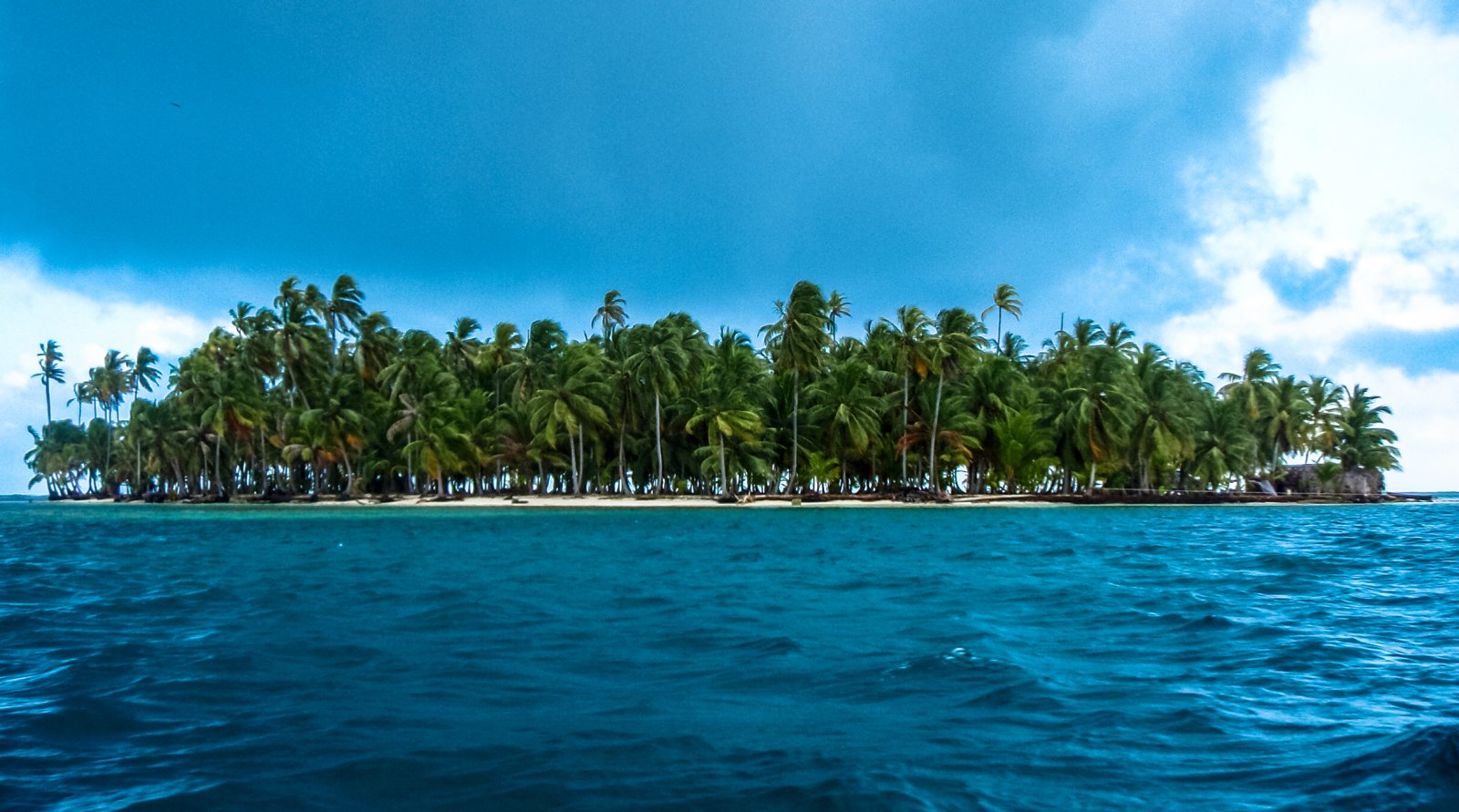
### History and Origins The Guna Yala region has a profound history, rooted in the ancient traditions of the Guna people. Anthropological evidence suggests that the Guna have inhabited these coastal areas for thousands of years, with their distinct social and political structures developing over time. The name Guna translates to “Land Guna” or “Guna Mountain” in their native language, reflecting their deep connection to the land.
In the 18th century, European colonization began to influence the area, leading to significant changes in local governance and culture. By 1925, the Guna officially declared their autonomy, culminating in the establishment of the Guna Yala region as a recognized province in Panama in 1983. The name change from Kuna Yala to Guna Yala in 2011 further emphasized the community's dedication to preserving their heritage and language.
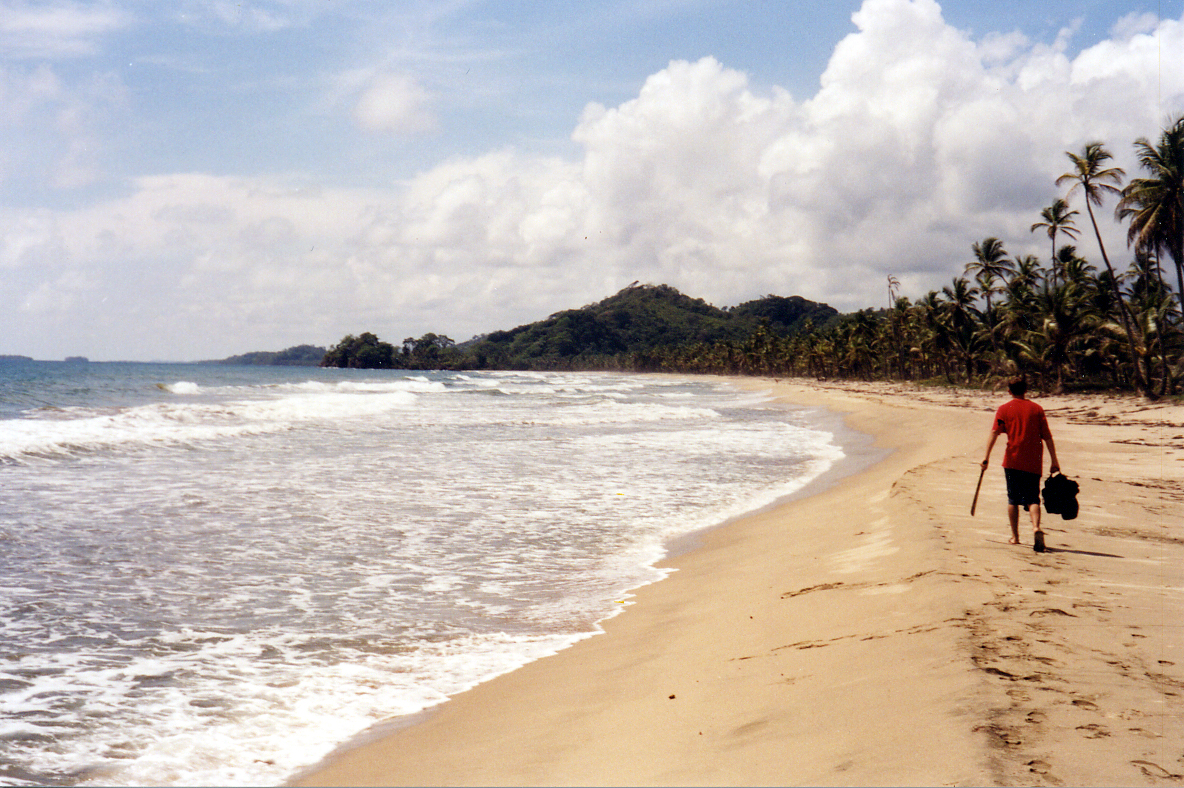
### Art and Architecture The architectural style of Guna Yala is distinctive and deeply intertwined with its cultural identity. The Guna people are renowned for their colorful mola art, a traditional textile craft characterized by intricate designs and vibrant colors. These textiles, often made by layering and cutting fabric, depict various aspects of nature, mythology, and daily life. Molas are not just decorative items; they hold profound cultural significance, representing personal stories and communal traditions.
The architecture of the region is equally fascinating, with traditional Guna huts built on stilts along the coast, providing protection from rising tides and storms. These structures are crafted from local materials, showcasing the Guna's sustainable living practices. In contrast, the simple, all-inclusive hotels that dot the islands blend seamlessly with the natural landscape, offering visitors a glimpse into both the traditional and contemporary lifestyles of the Guna.
### Local Culture and Traditions The rich cultural tapestry of Guna Yala is woven with vibrant customs and festivals that celebrate the Guna identity. One of the most significant events is the Guna New Year, celebrated in November, which features traditional music, dance, and communal feasting. This festival is a time for reflection and renewal, where the Guna people honor their ancestors and share stories of their heritage.
The Guna maintain a matrilineal society, where women play a crucial role in family and community life. Their traditional dress, often adorned with molas, reflects their identity and pride. Visitors are encouraged to engage respectfully with local customs, learning about the Guna's unique worldview, which emphasizes harmony with nature and community solidarity.
### Gastronomy The culinary landscape of Guna Yala is a delightful exploration of flavors deeply rooted in local ingredients and traditions. Fresh seafood is a staple, with dishes like coconut rice with fish and tortillas filled with shrimp being popular among locals and visitors alike. The use of coconut, plantains, and various tropical fruits defines the region's gastronomy, offering a taste of the Caribbean.
Traditional drinks, such as chicha, a fermented beverage made from corn, play an essential role in local culture. It’s often served during celebrations and communal gatherings, embodying the spirit of hospitality and togetherness.
### Lesser-known Curiosities While many travelers flock to the well-known islands, there are hidden gems within Guna Yala that remain relatively undiscovered. For instance, the Guna have a unique form of governance known as the General Congress, where representatives from different communities gather to discuss matters affecting their lives. This democratic approach is a testament to their commitment to autonomy and cultural preservation.
Additionally, the region is home to Cayo Holandés, a lesser-visited island known for its incredible snorkeling spots, where vibrant marine life thrives amid coral reefs. Exploring these quieter areas provides a richer understanding of the Guna way of life and the natural beauty that surrounds them.
### Practical Visitor Information The best time to visit Guna Yala is during the dry season, from December to April, when the weather is ideal for exploring the islands. Travelers should prepare for a unique experience, as many accommodations are basic yet charming, emphasizing the simplicity and beauty of island life.
When visiting, it's important to respect local customs and seek permission before photographing people or their homes. Engaging with the Guna community in a respectful manner will enrich your experience and foster a deeper connection to this extraordinary region.
Whether you're seeking adventure, cultural immersion, or simply a serene escape, Guna Yala promises an unforgettable journey.
For a personalized itinerary to explore the wonders of Guna Yala, consider using the Secret World app to help plan your visit.
