
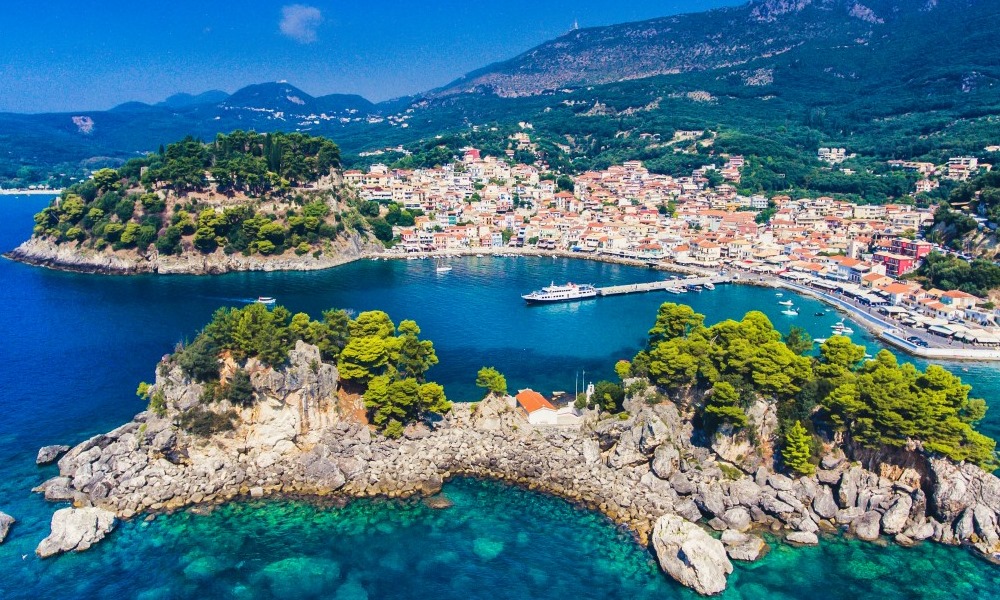

Perched like a jewel along the northwestern coast of Greece, Parga captivates visitors with its stunning vistas, rich history, and vibrant culture. Known locally as the ‘Bride of Epirus’, this picturesque town enchants with its colorful homes cascading down to the azure waters of the Ionian Sea. Despite its relatively young founding in the early 13th century, Parga's story is woven with threads of resilience and cultural significance.
History and Origins
Parga’s origins trace back to the Byzantine Empire, but it truly flourished during the Medieval period. In the 14th century, it became a sanctuary for those fleeing the Ottoman Empire, earning its reputation as the only free Christian village in the region under Ottoman rule. The town's strategic location made it a vital trading port, facilitating connections between Italy and Greece.
The Venetians captured Parga in the 15th century, marking a significant chapter in its history. The remains of the Venetian Castle, which stands sentinel on a hilltop, offer a glimpse into this era. Constructed in 1452, the castle not only provided defense but also served as a center of administration. The castle’s impressive walls and panoramic views over the Ionian Sea are a testament to the town's historical significance and military importance.
Art and Architecture
The architectural style of Parga is a delightful melange of Venetian, Ottoman, and Byzantine influences. The town's winding streets are lined with traditional stone houses adorned with vibrant colors and wooden balconies. The Church of Panagia, built in the 18th century, is a notable example of the local religious architecture, characterized by its intricate iconography and distinctive bell tower.
Art is integral to Parga’s identity, with local artisans often showcasing their crafts. The town’s artistic significance is highlighted during the summer months when various exhibitions and cultural events take place, celebrating the region's artistic heritage.
Local Culture and Traditions
Parga's culture thrives on its rich traditions and communal spirit. The annual Festival of Parga, celebrated in late July, is a vibrant showcase of local customs where music, dance, and traditional costumes come together. Locals perform traditional dances, and visitors are often invited to join, fostering a sense of community and connection.
The feast of Agios Nikolaos, held on December 6th, is another important cultural event where locals honor their patron saint with a lively procession, culminating in fireworks lighting up the night sky. These festivals not only preserve Parga’s heritage but also invite visitors to experience the town’s warmth and hospitality.
Gastronomy
No visit to Parga is complete without indulging in its culinary delights. The local cuisine is a reflection of its coastal location, emphasizing fresh seafood and traditional Greek flavors. A must-try dish is the “Savoro”, a marinated fish cooked with vinegar, spices, and herbs, showcasing the town's maritime heritage.
Additionally, Parga is renowned for its local olive oil and cheeses, particularly feta and graviera, which are often paired with fresh bread. For dessert, don’t miss out on the “Baklava” — a delicious pastry made of layers of filo dough, filled with nuts and sweetened with honey, embodying the region's rich culinary influences.
Lesser-known Curiosities
While Parga's beauty is well-known, several hidden gems often escape the attention of tourists. For example, just a short boat ride away lies the islet of Panagia, home to a charming chapel and breathtaking views of the surrounding waters. It’s a perfect spot for a peaceful retreat away from the bustling town.
Another intriguing aspect of Parga is its connection to the Greek War of Independence. Many locals played crucial roles in the fight against Ottoman rule, and their stories are deeply embedded in the town’s fabric. The Museum of Parga houses artifacts and exhibits that delve into this history, offering insights into the lives of those who shaped the town's past.
Practical Visitor Information
The best time to visit Parga is during the late spring and early autumn months, when the weather is pleasantly warm, and the summer crowds have thinned. Expect temperatures ranging from 20 to 30 degrees Celsius, ideal for exploring the town and its surroundings.
When planning your visit, consider renting a scooter or bicycle to navigate the scenic coastal roads and nearby beaches, such as Valtos Beach and Lichnos Beach, which are known for their crystal-clear waters and vibrant beach bars.
Be sure to pack comfortable shoes for wandering the cobbled streets, and don’t forget your camera to capture the stunning sunsets that paint the sky over the Ionian Sea.
Whether exploring its rich history, indulging in local delicacies, or immersing yourself in vibrant traditions, Parga offers a unique blend of experiences that resonate deeply with visitors. To make the most of your journey, consider using the Secret World app for a personalized AI itinerary that reveals the best of Parga.


