
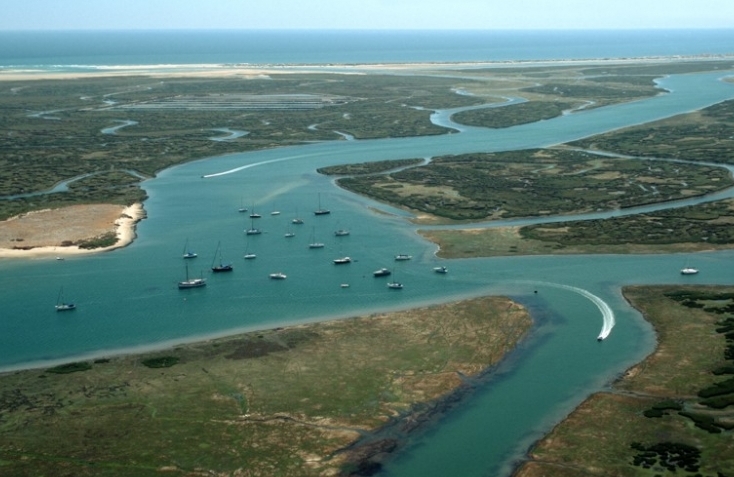

Parque Natural da Ria Formosa is a shimmering jewel on Portugal's Algarve coast, a place where nature, history, and culture converge in perfect harmony. This remarkable natural park stretches over 60 kilometers, a patchwork of lagoons, islets, and sand dunes that has captivated travelers and locals alike for centuries.
The history of Ria Formosa is as rich as the biodiversity it supports. Although officially designated a natural park in 1987, the area has been significant since Roman times. Archaeological evidence suggests that the Romans recognized the strategic and economic value of the lagoon system, using it for salt production and as a safe harbor. The Moorish occupation further influenced the region, leaving traces in the local architecture and place names.
Art and architecture here are defined by the interplay between man and nature. While the park itself is a masterpiece of natural architecture, nearby towns like Faro offer glimpses of human ingenuity. The city's historic old town showcases Moorish influences, with whitewashed buildings and intricately tiled facades. The Igreja do Carmo, famous for its Chapel of Bones, is an embodiment of the baroque style that adds an eerie yet fascinating dimension to the cultural landscape.
Cultural traditions in the Ria Formosa region are deeply tied to the sea. Local festivals, such as the Festa da Ria Formosa, celebrate the bounty of the lagoon and the skills of local fishermen. Traditional fado music, with its melancholic tunes, often accompanies these celebrations, echoing the soul of the Algarve people.
Gastronomy in this area is defined by fresh, local ingredients. The lagoon's waters are teeming with oysters, clams, and razor shells, forming the backbone of local dishes. A must-try is the cataplana, a seafood stew cooked in a copper pot that melds the flavors of the sea with aromatic herbs and spices. Pair it with a glass of Vinho Verde, and you have a meal that sings of the Algarve's culinary heritage.
For those seeking lesser-known curiosities, the park holds many secrets. One such gem is the rare purple swamphen, a bird that has become the park's emblem due to its vibrant plumage and elusive nature. Another hidden treasure is the Roman salting tanks found on the island of Culatra, offering a glimpse into the ancient industry's past.
Practical visitor information: The best time to visit Ria Formosa is in the spring or autumn when the weather is mild, and the park's biodiversity is at its peak. Start your exploration at the Marim Environmental Education Centre, where you can learn about the park's ecosystems and plan your visit. Don't miss a boat tour through the lagoon; it's the best way to see the park's diverse habitats and wildlife up close.
To maximize your experience and discover all that Parque Natural da Ria Formosa has to offer, use Secret World for a personalized AI itinerary.


