

Tracks of paws on the wet mud of the path, then silence. In the Patagonia National Park, near the small town of Cochrane in the Aysén region, sightings of pumas are not a rarity but a concrete possibility that accompanies every hike. The park, officially created in 2018 when the Chilean government incorporated the lands donated by the non-profit organization Tompkins Conservation — founded by American philanthropists Doug and Kris Tompkins — represents one of the most ambitious rewilding experiments in the southern hemisphere.
With an area exceeding 300,000 hectares after recent expansions, the park is part of the larger system of protected areas in Chilean Patagonia. Here, the tourist infrastructure is deliberately kept to a minimum: a few shelters, marked but unpaved trails, no crowds. Those who arrive expecting comfort will instead find something rarer — the physical sensation of being in an ecosystem that operates according to its own rules.
The lenga forest and glacial landscapes
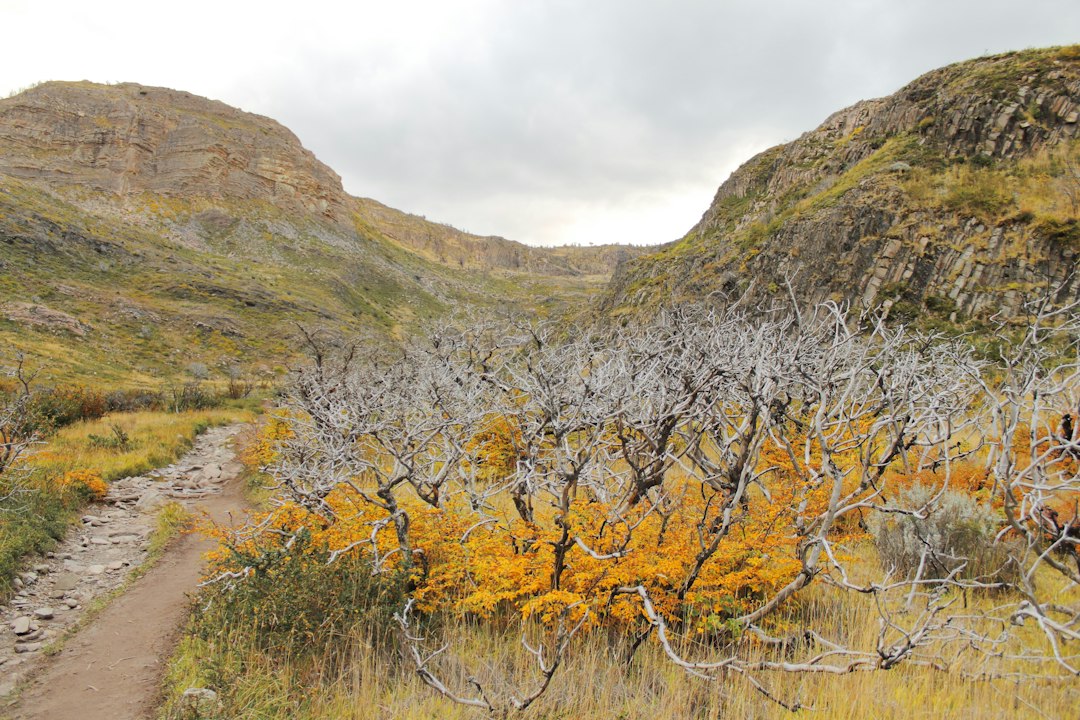
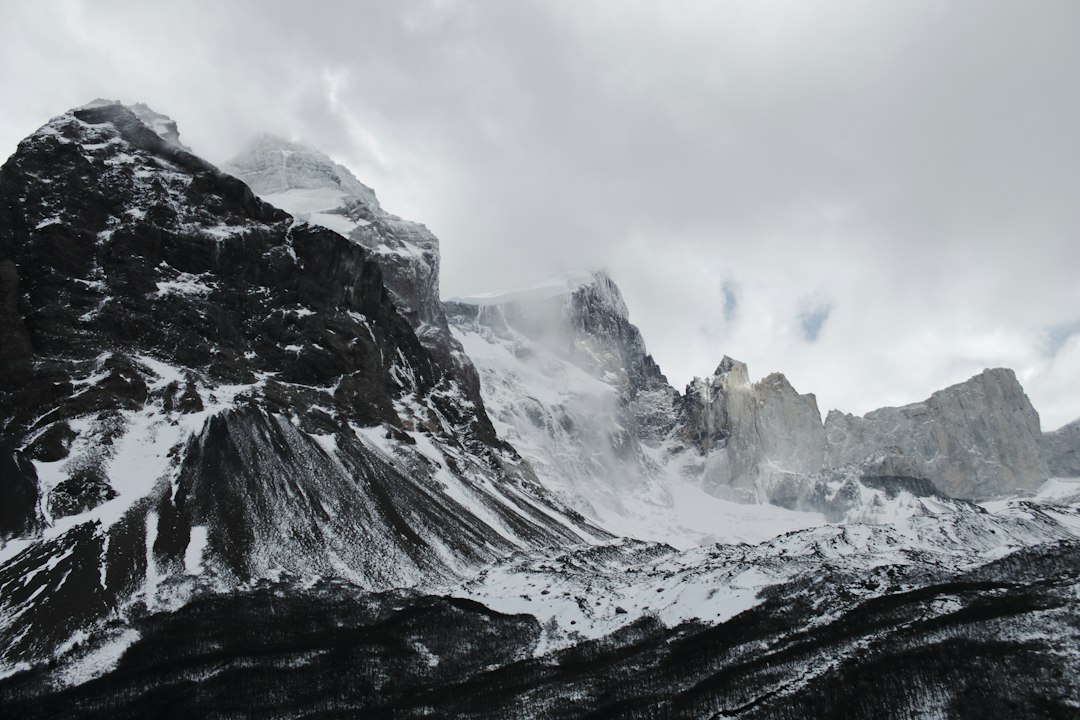
The landscape of the park is dominated by forests of lenga (Nothofagus pumilio), a southern beech that in autumn — between March and April in the southern hemisphere — turns bright red and orange, transforming the valleys into something that vaguely resembles the Dolomites, but without roads or bell towers. These trees grow slowly at high altitudes and can live for centuries; their twisted trunks and light gray bark are among the most recognizable details that visitors observe while walking.
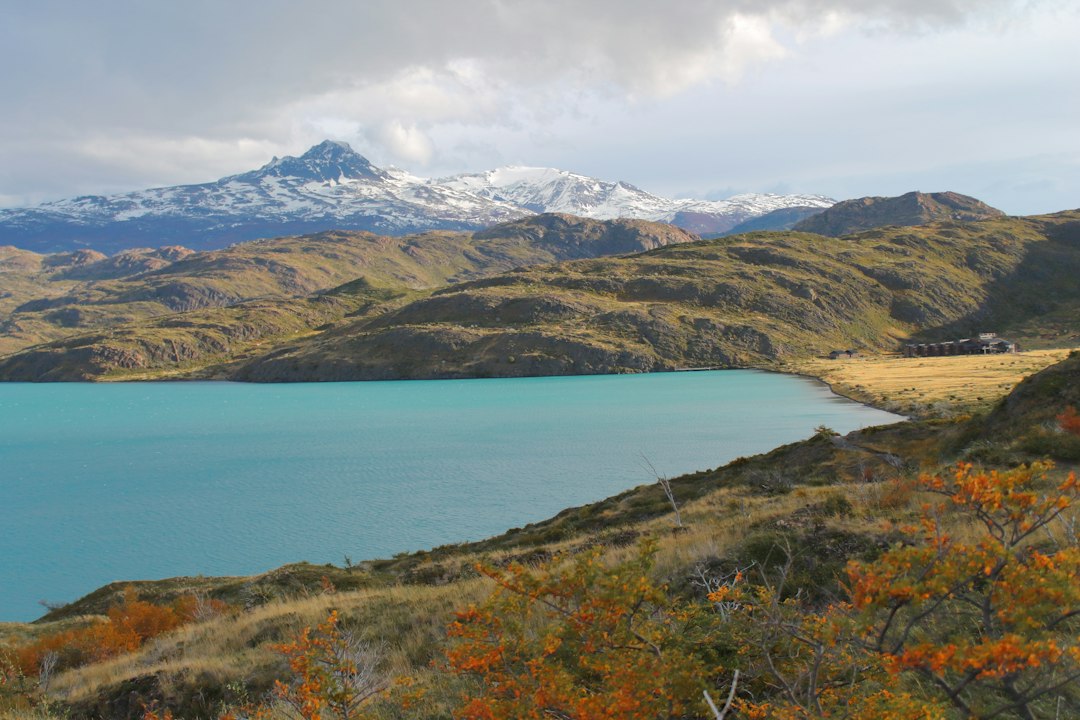
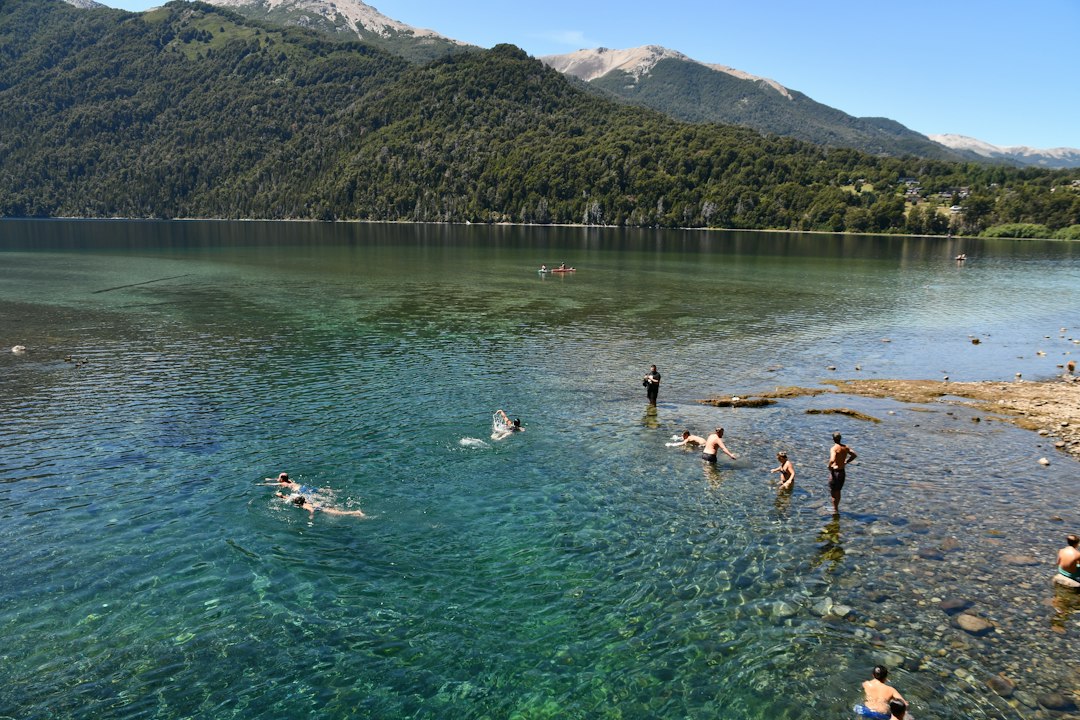
Alternating with the forests are glacial lakes of intense turquoise color, formed by the melting of the Andean glaciers. The Cochrane Lake, which borders the park, is one of the most accessible. The waters are cold year-round and their transparency is such that it allows you to see the bottom at several meters of depth in the calmer areas.
The fauna: puma, huemul, and condor
The park is one of the best-preserved habitats for the huemul (Hippocamelus bisulcus), the Andean deer present on the coat of arms of Chile and classified as a critically endangered species globally. Sightings are not guaranteed — the animal is elusive and prefers more remote areas — but the presence of droppings and tracks on the trails indicates an active population.
The puma (Puma concolor) is the apex predator of the ecosystem. Tompkins Conservation has documented a relatively high density of specimens in the area over the years, favored by the presence of guanacos as the main prey. Walking carefully, making noise on the trail, and not venturing alone during twilight hours are precautions recommended by local guides. In the sky, the Andean condor (Vultur gryphus) with its wingspan that can exceed three meters is often seen gliding on thermal currents above the ridges.
Trails and Orientation in the Park
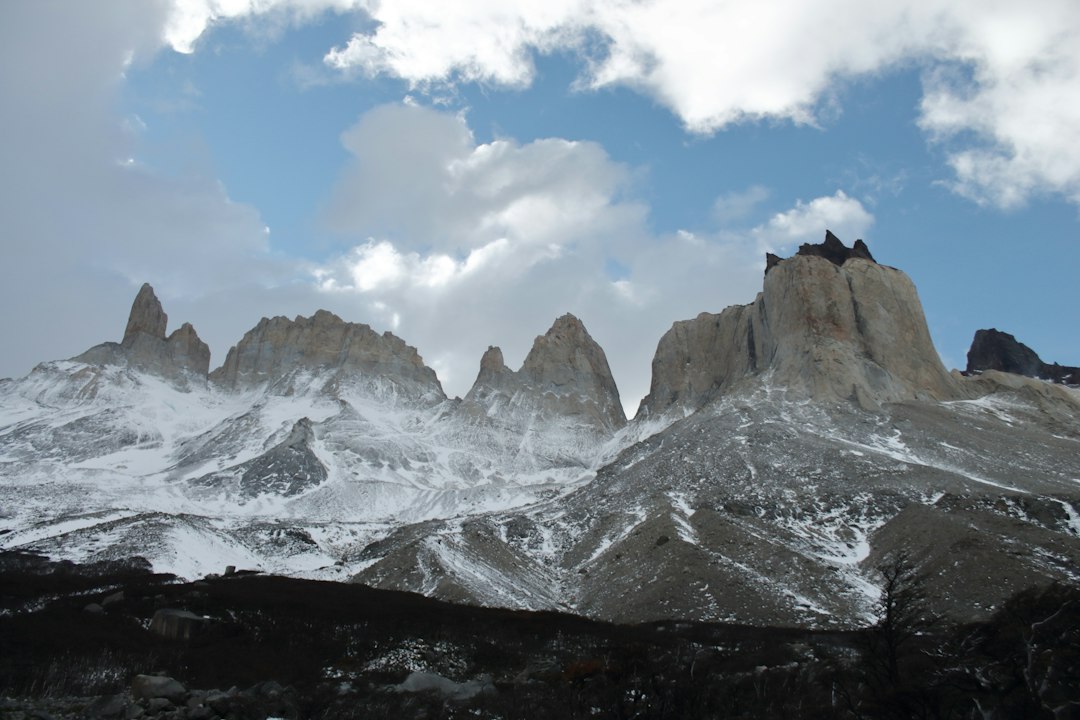
The park has several well-documented trails, including the Chacabuco Valley, one of the central areas where there used to be a sheep farming estancia — an activity that profoundly altered the landscape before Tompkins Conservation acquired the lands in the early 2000s and initiated the ecological restoration process. Today, the signs of recovery are visible: native vegetation is recolonizing the degraded pastures.
The trails range from half-day routes to multi-day treks with overnight stays in shelters. Signage is present but not excessive, and a physical map remains useful as mobile coverage is absent in most of the park.
Practical information for visiting the park
The most convenient logistical base is Cochrane, accessible by traveling along the Carretera Austral (Route 7), the road that crosses Chilean Patagonia from north to south. From Cochrane, the main entrance to the park is about 10 kilometers away. There are no regular public transport services to the park: a rental car or an arrangement with one of the few local operators is the most practical solution.
The best time to visit is from November to April, with January and February generally being the most stable in terms of weather, although the Patagonian wind remains a constant. Entrance to the park is free. It is essential to bring enough water, waterproof clothing, and thermal layers regardless of the season: the weather can change in a few hours, and temperatures can drop sharply at sunset even in summer.


