



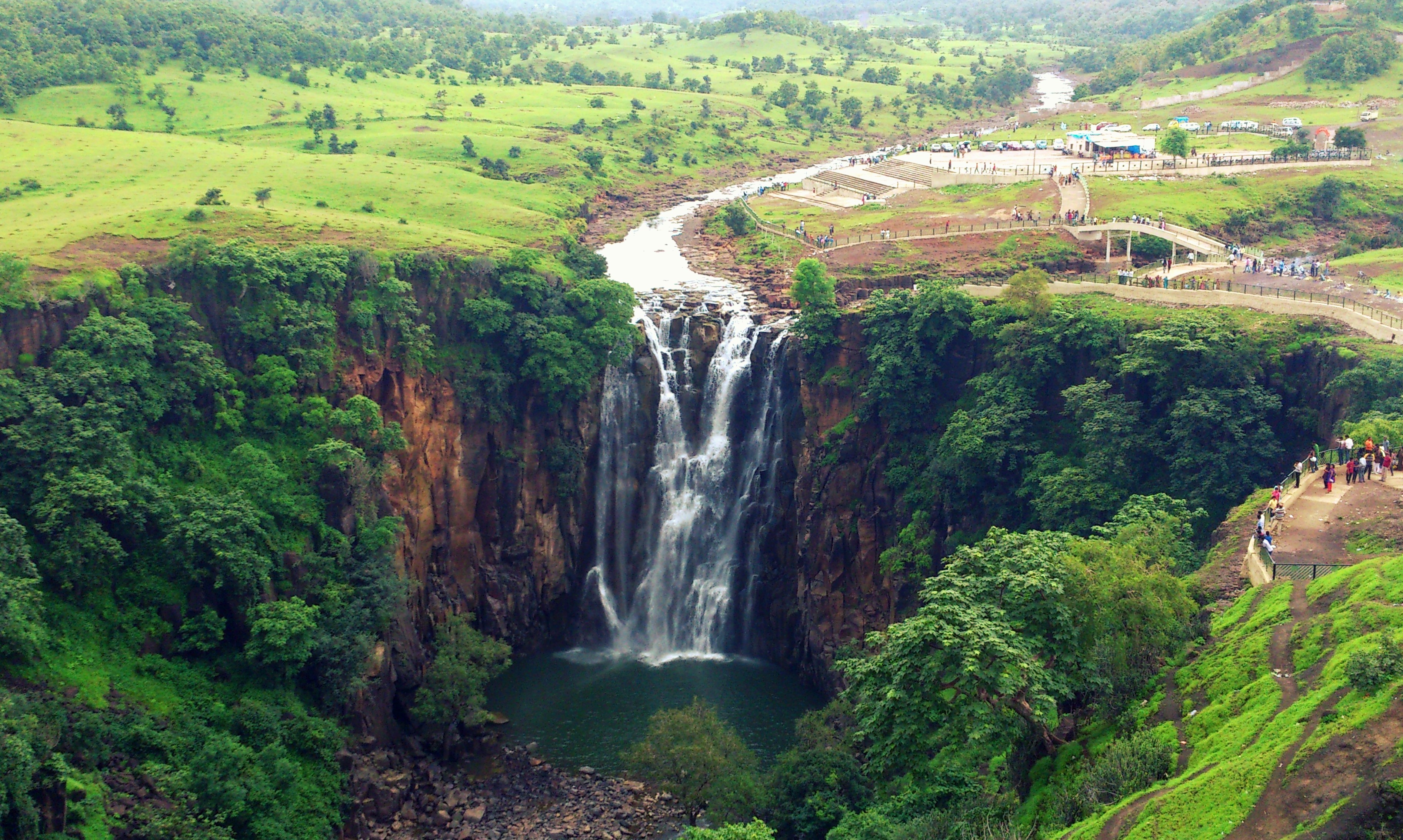
Nestled amidst the lush greenery of Kekariya Dabri, the Patal Pani Waterfalls is a mesmerizing spectacle of nature that draws visitors with its sheer beauty and mysterious allure. Located about 36 kilometers from the bustling city of Indore, this waterfall is not only a popular destination for nature enthusiasts but also a site rich in history and culture, offering a glimpse into the traditions of the Malwa region.

The name "Patal Pani" itself is steeped in local folklore. "Patal" refers to the underworld in Hindu mythology, and it is believed that the waters of the falls plunge so deep that they reach the netherworld. This story has roots in local legends and adds a mystical charm to the site. Historically, the area around Patal Pani was part of the larger Malwa region, known for its strategic importance and fertile lands. Though not directly linked to major historical events, the surrounding forests have been witness to the passage of various dynasties that once ruled the land, including the Parmars and the Holkars.
While Patal Pani may not boast grand architecture, the natural rock formations and the cascading waters create an artistic tableau that rivals any man-made structure. The undulating terrain and cliffs create natural vantage points, from where one can see the water falling from a height of approximately 200 to 300 feet. These dramatic cliffs and the dense forest canopy offer photographers and artists endless opportunities to capture the raw beauty of the landscape.

The cultural tapestry of the region is as rich as its natural beauty. The local Bhils, an indigenous tribal community, have lived in harmony with this land for centuries. They celebrate festivals such as Bhagoria, a vibrant pre-Holi festival characterized by traditional dances and music. Visitors during this time can witness the community's colorful attire and enthusiastic participation in cultural rituals, offering a deeper understanding of the local way of life.
The gastronomy around Patal Pani is a delightful extension of the region's cultural ethos. Visitors can savor traditional Malwa cuisine, which includes delicacies like dal bafla, a wheat-based dish served with dal and ghee, and bhutte ka kees, a grated corn dish cooked with spices and milk. The flavors are hearty and reflect the agricultural bounty of the region, offering a culinary experience that complements the natural beauty of the surroundings.
Beyond the well-trodden paths, Patal Pani holds secrets waiting to be discovered. The area is crisscrossed by several hiking trails that lead to hidden spots, such as serene pools and secluded nooks within the forest. These trails provide an intimate encounter with the local flora and fauna, making it a paradise for bird watchers and nature lovers. The Patal Pani railway station, a quaint stop on the meter-gauge line, adds a charming historical footnote to the visit, evoking memories of a bygone era of leisurely train travel.
For those planning a visit to Patal Pani, timing is crucial. The best time to visit is post-monsoon, between October and March, when the waterfall is at its most magnificent, and the surrounding landscape is lush and vibrant. It's advisable to wear sturdy shoes for the often slippery terrain and to carry essentials like water and snacks, as amenities are limited.
In conclusion, Patal Pani Waterfalls offers more than just a visual treat; it is an experience that engages all senses and enriches the soul. From its mythical depths to the vibrant cultural expressions of its people, every aspect of this destination invites exploration and reflection. Whether you're a history buff, a nature enthusiast, or a cultural explorer, Patal Pani promises an unforgettable journey into the heart of India's natural and cultural heritage.
