
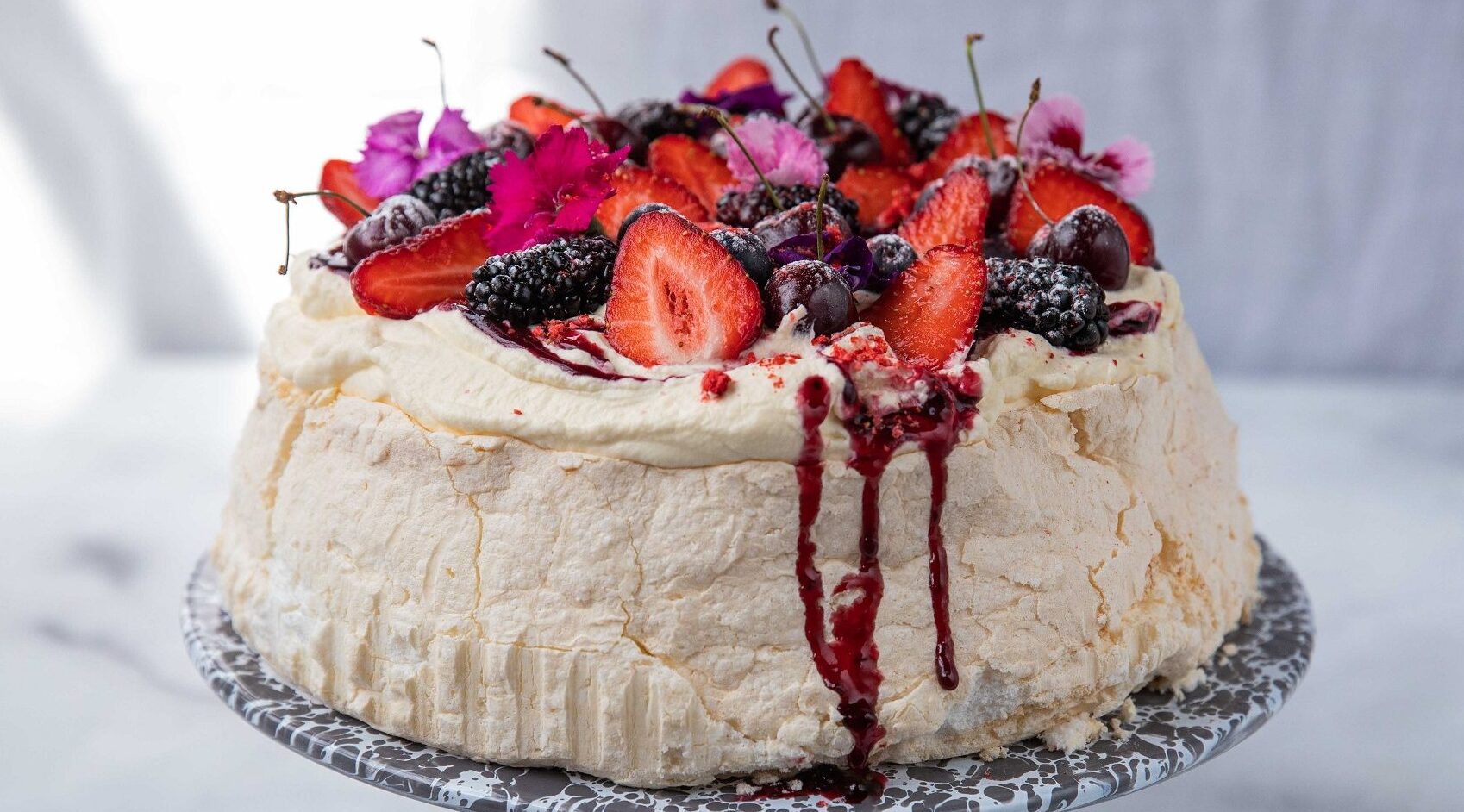

Nestled in the heart of the South Pacific, New Zealand is known for its breathtaking landscapes and vibrant culture. But among its many treasures, one stands out for its delightful simplicity and contested origins: the Pavlova. This iconic dessert, a luscious meringue-based creation topped with layers of cream and fresh seasonal fruit, is a subject of friendly rivalry between New Zealand and its neighbor, Australia. While both countries lay claim to its invention, it is unequivocally named after the Russian ballerina Anna Pavlova, who toured the region in the 1920s.
The origins of Pavlova are shrouded in culinary mystery, with early recipes appearing in both countries around the same time. However, New Zealanders proudly assert their version was inspired by the light and airy tutu worn by Pavlova herself. This tale adds a layer of romance to the dessert’s history, intertwining it with the elegance and grace of the celebrated dancer. The first known recipe under the name "Pavlova" appeared in a New Zealand cookbook in 1929, strongly suggesting a Kiwi origin.
While New Zealand may not be as renowned for its architectural feats as it is for its natural wonders, the country's art scene boasts a rich tapestry of Māori artistry. Traditional Māori carvings and woven designs can be found in many public spaces and galleries, reflecting the indigenous culture's profound influence. The Museum of New Zealand Te Papa Tongarewa in Wellington offers a comprehensive look at this heritage, showcasing traditional artifacts alongside contemporary Māori works.
New Zealand's local culture is vibrant and diverse, with traditions deeply rooted in Māori customs and European influences. Festivals such as Waitangi Day on February 6th highlight the nation’s bicultural identity, commemorating the signing of the Treaty of Waitangi in 1840. Visitors can witness haka performances, traditional music, and participate in community events that celebrate the country’s unique heritage.
The gastronomy of New Zealand is as varied as its landscape. Fresh seafood, lamb, and the legendary Kiwi meat pie grace many menus, but it is the Pavlova that steals the show during festive occasions. Typically adorned with kiwifruit, strawberries, or passion fruit, Pavlova is a staple at celebrations, from Christmas gatherings to summer barbecues. Pairing it with a glass of New Zealand's famous Sauvignon Blanc from the Marlborough region elevates the experience, offering a taste of the country’s rich viticultural prowess.
Beyond the well-trodden tourist paths, New Zealand holds some lesser-known curiosities. For instance, the town of Oamaru is not only known for its Victorian architecture but also for its quirky Steampunk HQ, reflecting a unique blend of historical and futuristic artistry. Another hidden gem is Lake Taupo, the largest lake in Australasia, formed by a volcanic eruption nearly 26,500 years ago. Its geothermal activity offers visitors a chance to soak in natural hot springs while enjoying stunning lake views.
For those planning a visit, New Zealand is a year-round destination, but the period from December to February offers the warmest weather and the best conditions for outdoor activities. However, keep in mind that this is also peak tourist season, so booking accommodations in advance is advisable. When indulging in local dishes, don’t miss the opportunity to try a traditional hāngī, a Māori method of cooking food using heated rocks buried in a pit oven, which yields rich, smoky flavors.
In conclusion, whether you're indulging in a slice of Pavlova while overlooking the rugged coastline or exploring the cultural depths of Māori traditions, New Zealand offers a unique blend of experiences that captivate the senses and spark the imagination. As you traverse this enchanting land, let its culinary delights, artistic expressions, and cultural richness leave an indelible mark on your travel memories.


